


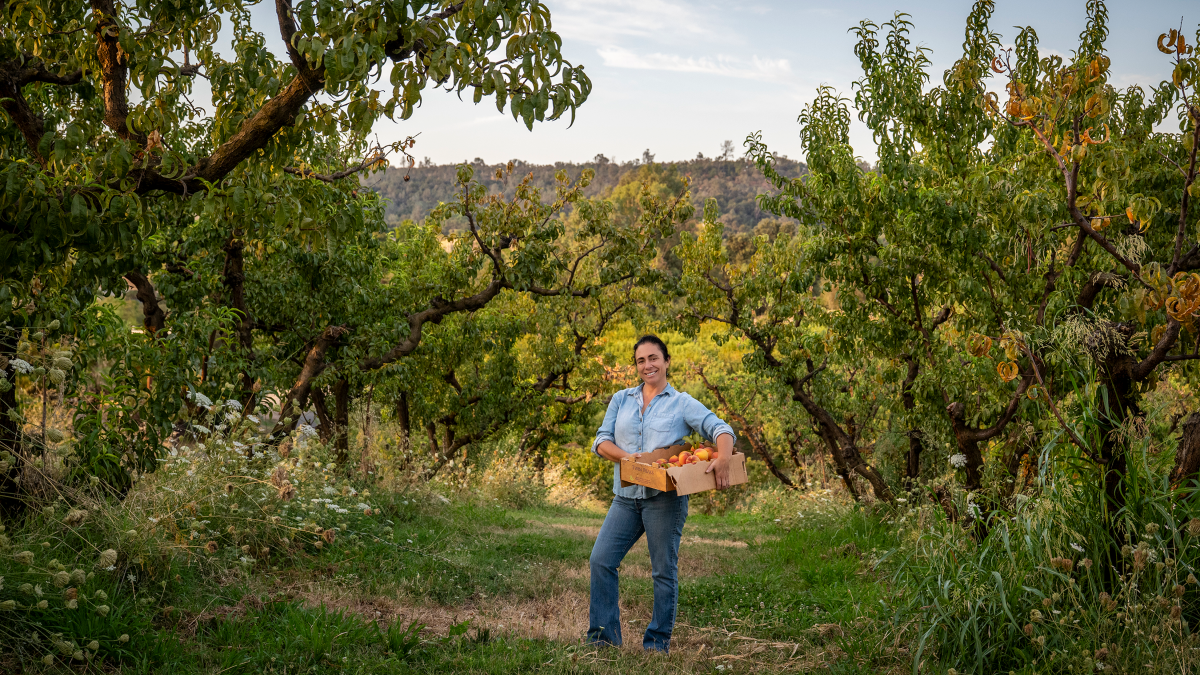
Technology and innovation offer rare solutions for family farms in tough economic times and fuel Sacramento’s status as “America’s Farm-to-Fork Capital.”
Many Capital Region farms are owned by families that have worked the land for generations, but modern-day farming in the nation’s leading agricultural state is light-years ahead of Farmer John on his tractor.
As ground zero for the AI revolution, California is a test field for autonomous farming systems that can assess the soil, spray weeds and harvest with minimal human intervention.
Ag innovation has also been accelerated by the state’s volatile climate. Often, there isn’t enough water; sometimes, there’s too much — as could occur during the exceptionally strong El Niño forecast for this winter. Farms with the resources and ability to adapt will be better positioned to stay afloat.
Another paradox is that innovation can become a trap. Rising costs are one of the greatest challenges farmers face, and if the books don’t balance, they won’t be purchasing the newest robotic harvester. Larger operations can afford to take on the risk of new technologies — and reap the benefits.
In this week’s featured story, we investigate whether technology is more likely to save small farms or leave them in the dust.
– Dakota Morlan, managing editor
Other stories you may have missed: Sacramento’s Craft Beverage Scene Makes Room for Kombucha
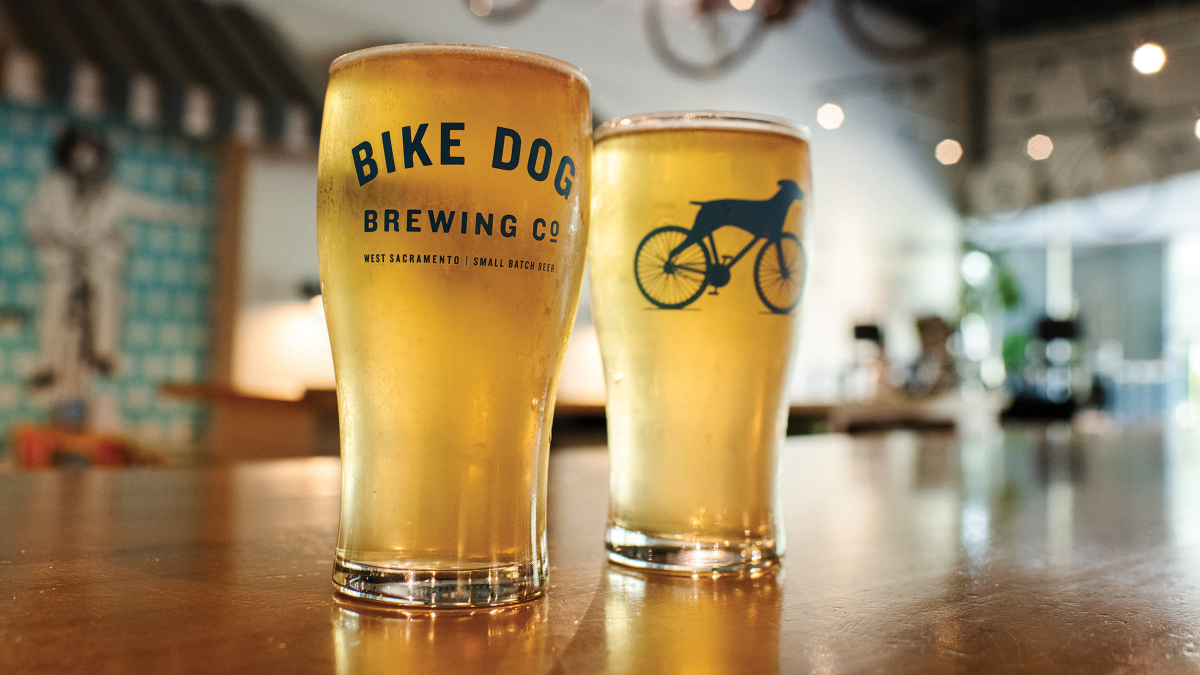
Kombucha is appearing on more Sacramento-area menus as breweries and coffee shops respond to demand for low- and no-alcohol options.
After a Difficult Year, Oak Park’s Community Shop Class Pushes Forward
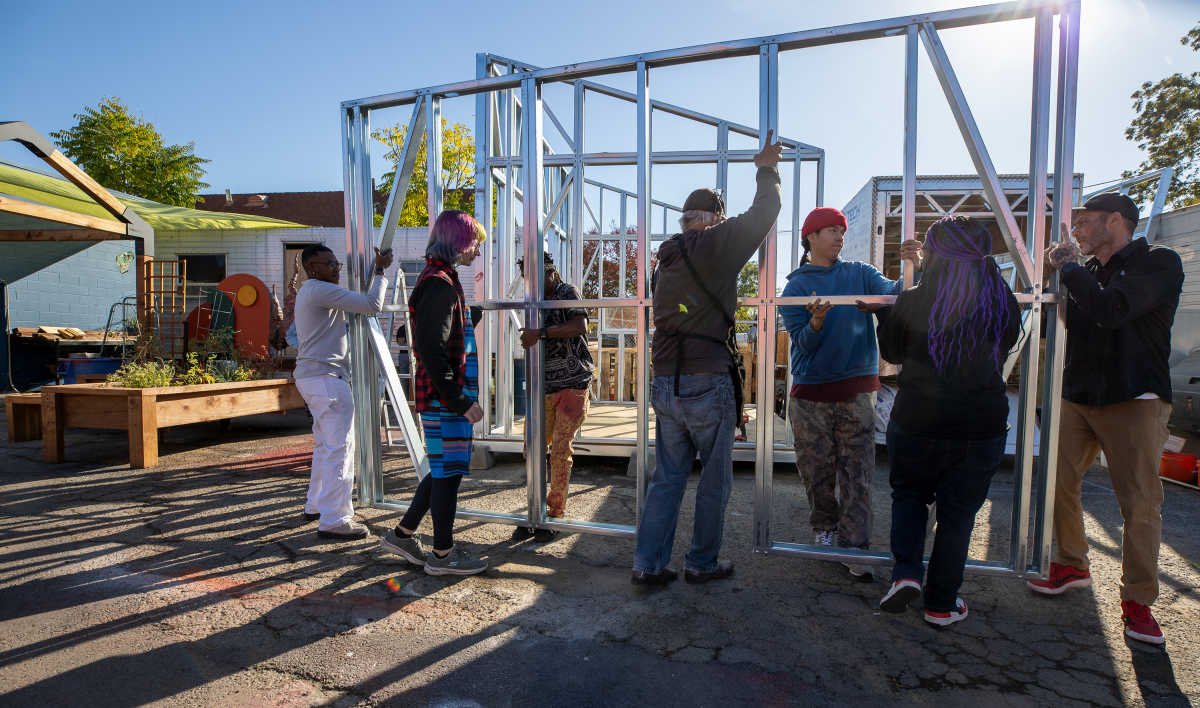
Chad Orcutt wanted to give kids with ADHD the kind of hands-on learning that changed his life. His vision became Community Shop Class, an Oak Park gathering place now preparing for another reinvention.
Where to Find Farmers Markets in the Sacramento Region
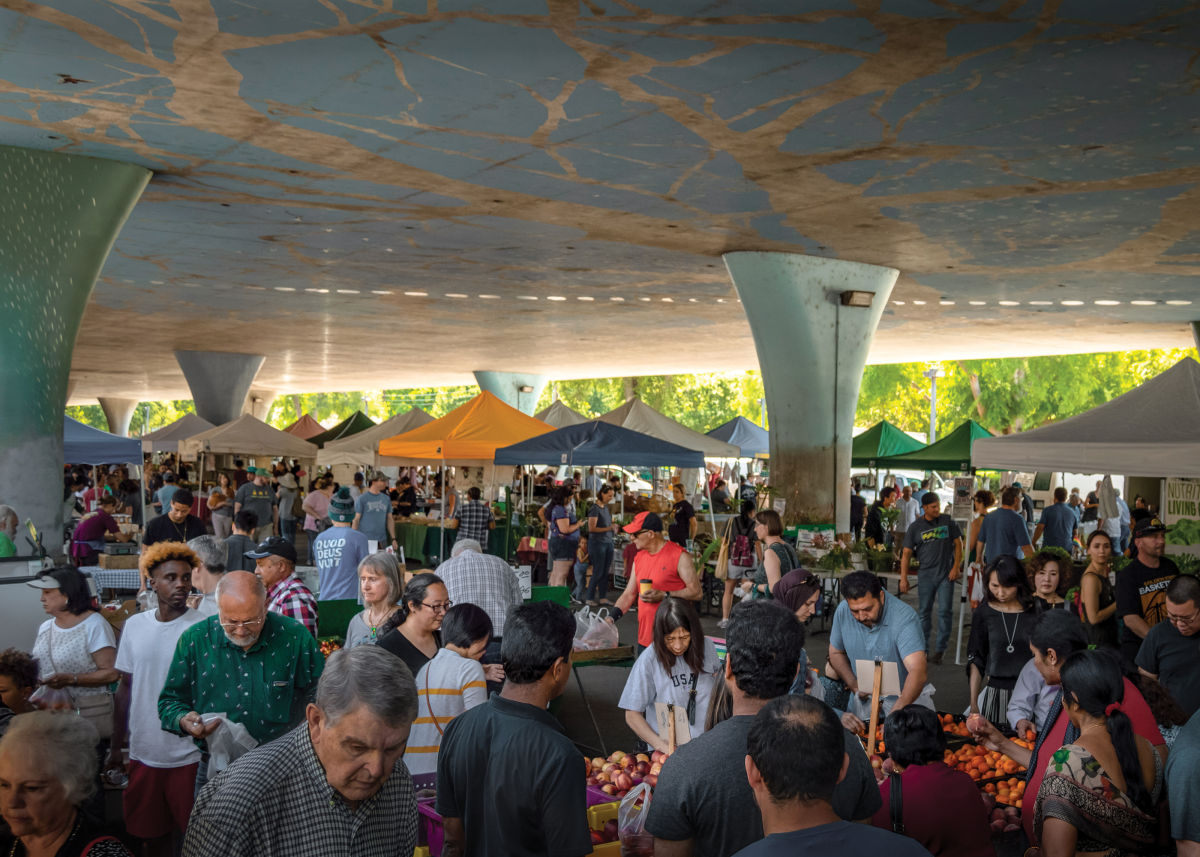
One of the best ways to support local farmers is to visit a certified market, where farms can sell directly to consumers instead of working through the often convoluted supply chain that ends in chain supermarkets.
25 Years Later, It’s Impossible to Forget 9/11

Comstock’s Editor Judy Farah, then editor at Sacramento radio station KFBK, happened to be on vacation in her home state of New Jersey on Sept. 11, 2001. She reported live from the triage station in Hoboken, where Comstock’s Digital Editor Jennifer Fergesen’s father passed through on his evacuation from Manhattan.
Some recommendations from our editors
Judy: I attended the 125th anniversary celebration of SRBX — the Sacramento Regional Builders Exchange — which also celebrated women in construction. On Sunday night my neighbors and I gathered on the bluffs above Lake Natoma to watch a drone show over the Rainbow Bridge as Folsom celebrated 80 years of cityhood. My favorite drone was the one that depicted a colorful kayak, which are ubiquitous on Lake Natoma.
Jennifer: I’m currently reading for my preliminary exams in 19th-century literature at UC Davis, which means revisiting lots of Victorian novels I read for the first time in high school or college. Right now I’m re-reading Charles Dickens’ “Bleak House,” which I own in an intimidating two-volume set that was part of my great-grandmother’s complete works of Dickens (probably bought from a door-to-door salesman). I read part of it excerpted in my high-school English textbook and have been avoiding the whole thing because of just how massive it is, but Dickens’ immersive world-building never fails — I sped through most of the first volume in a day.
Odds and ends
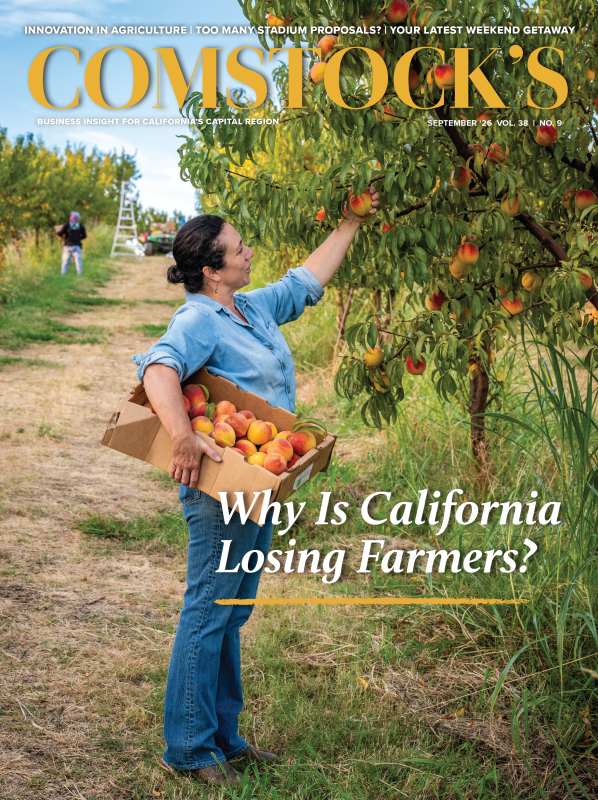
Water scarcity is driving Central Valley farmers to innovate, while abundance yields regulation. Our September issue digs into the paradoxes of California agriculture and the future of farming. Read it now on your computer, phone or tablet.
Follow us on Instagram, Facebook, X and LinkedIn for daily stories and extras.