


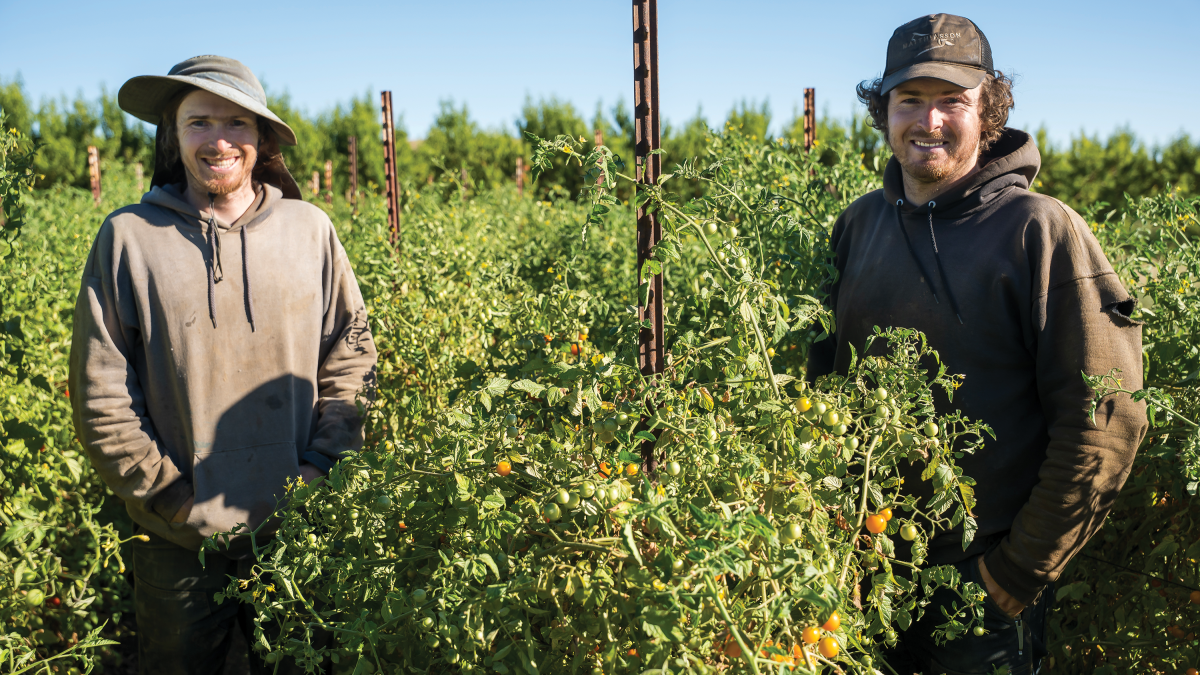
In a state known for its huge farming economy, small farms earn just a sliver of the revenue, and many struggle to stay in business.
Twin brothers Eric and Andrew Walker didn’t get into farming for a stable income or predictable hours. Having grown up on a small farm in Winters, they knew what they were up against. Water scarcity, labor regulations and rising costs make California agriculture a game for big operators.
Still, the small-scale farmers we spoke with expressed deep pride in their produce and passion for the agrarian life. Small farms often cultivate fruits and vegetables that big ag isn’t willing to bet on, preserving a genetic and culinary diversity that’s celebrated at farmers markets but increasingly difficult to sustain.
For September’s cover story, we investigated why farming is more expensive in California than in any other state — and whether pride and passion are enough to keep the next generation on the land.
– Dakota Morlan, managing editor
Other stories you may have missed: California Farmers Can’t Survive on Passion Alone | Opinion
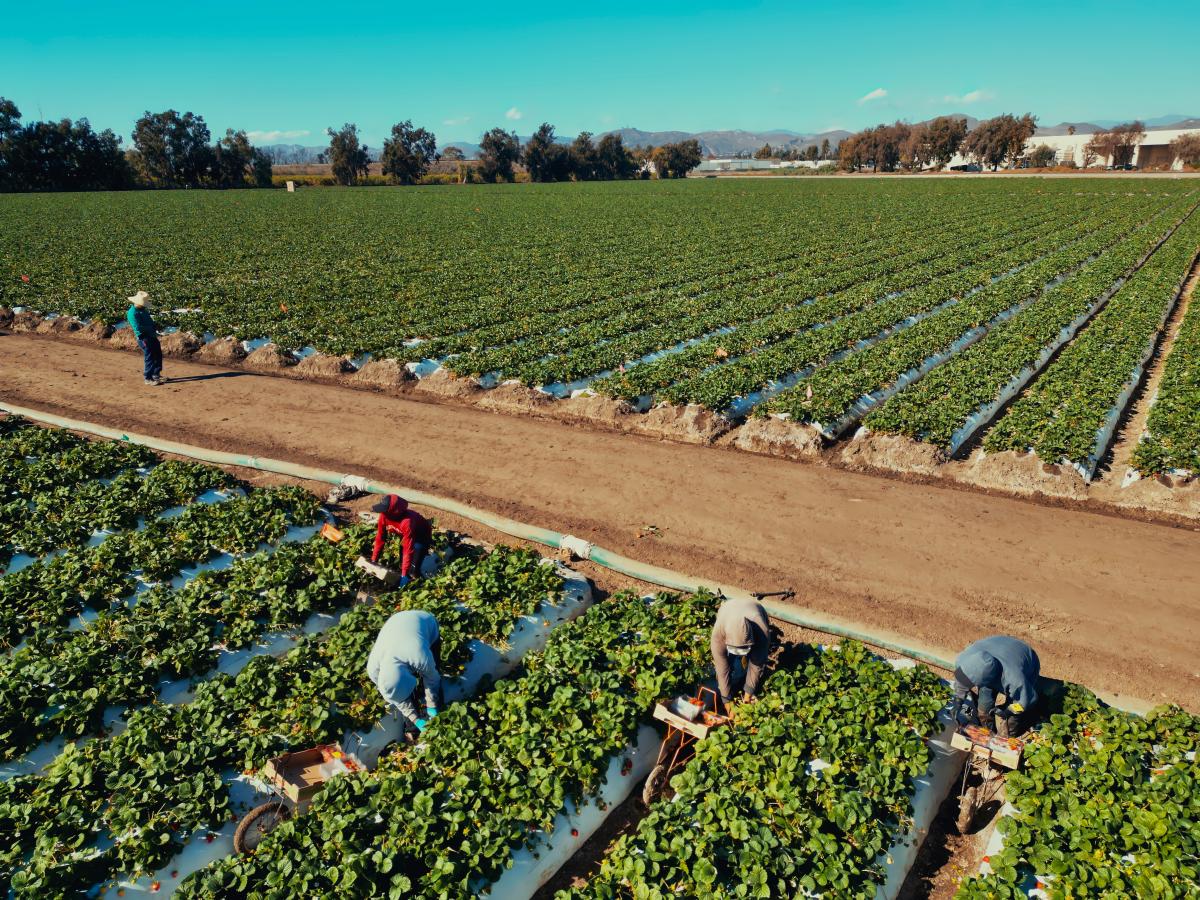
Shannon Douglass, a longtime farmer and president of the California Farm Bureau, argues that protecting the state’s food supply will require balanced regulations, infrastructure investments and stronger markets for California-grown food.
This Sacramento Startup Helps Nonspeaking Children Be Heard

Nine co-founders (six from Sacramento State and three graduates of University of the Pacific) designed GuLP, an app that lets nonspeaking and minimally speaking children tap buttons on a screen to speak out loud.
Why a Bill to Juice Condo Construction Died Even Though California Lawmakers Voted for It

From CalMatters: Supporters said a condo construction bill was a key to unlocking the type of naturally affordable for-sale housing that California desperately needs. But deadlines matter.
Some recommendations from our editors
Judy: Friday is the 25th anniversary of 9/11, and I can already feel myself getting emotional. It’s like PTSD: You see an image and it’s a reminder, especially for me, because I happened to be there on vacation and ended up reporting live for two 18-hour days for KFBK. It was personal for me because I grew up in northern New Jersey just 20 minutes from New York City and saw the towers being built, then watched as they came down. Of all the scenes I saw that day, the one that haunts me the most is the look of sheer panic and terror on people’s faces, and even first responders, as they tried to comprehend what was happening. Friday will bring back all the emotions once again, but that’s OK, because we should never forget.
Jennifer: I’ve been listening to more jazz lately and wishing there was a dedicated jazz club in Sacramento (though my favorite neighborhood spot, The Side Door, comes close). Until that happens, recordings like this classic by Thelonius Monk are scratching the itch.
Odds and ends
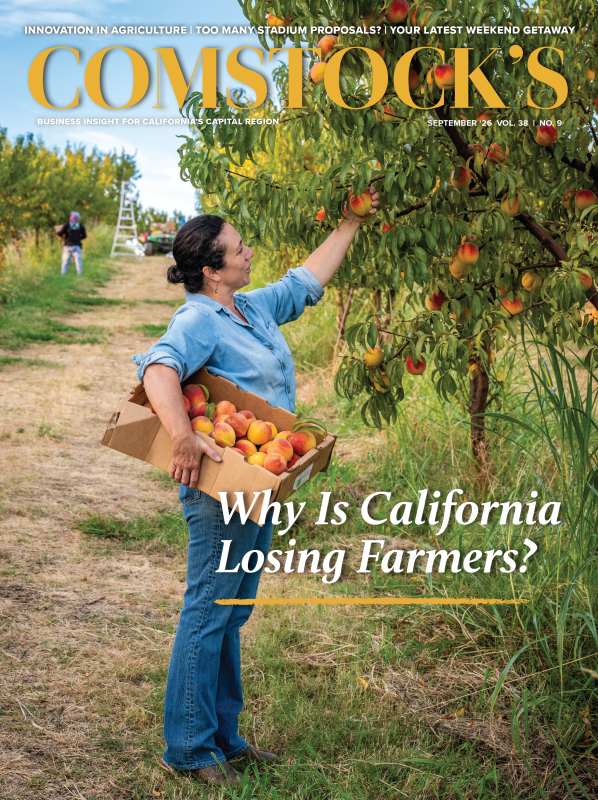
Water scarcity is driving Central Valley farmers to innovate, while abundance yields regulation. Our September issue digs into the paradoxes of California agriculture and the future of farming. Read it now on your computer, phone or tablet.
Follow us on Instagram, Facebook, X and LinkedIn for daily stories and extras.