


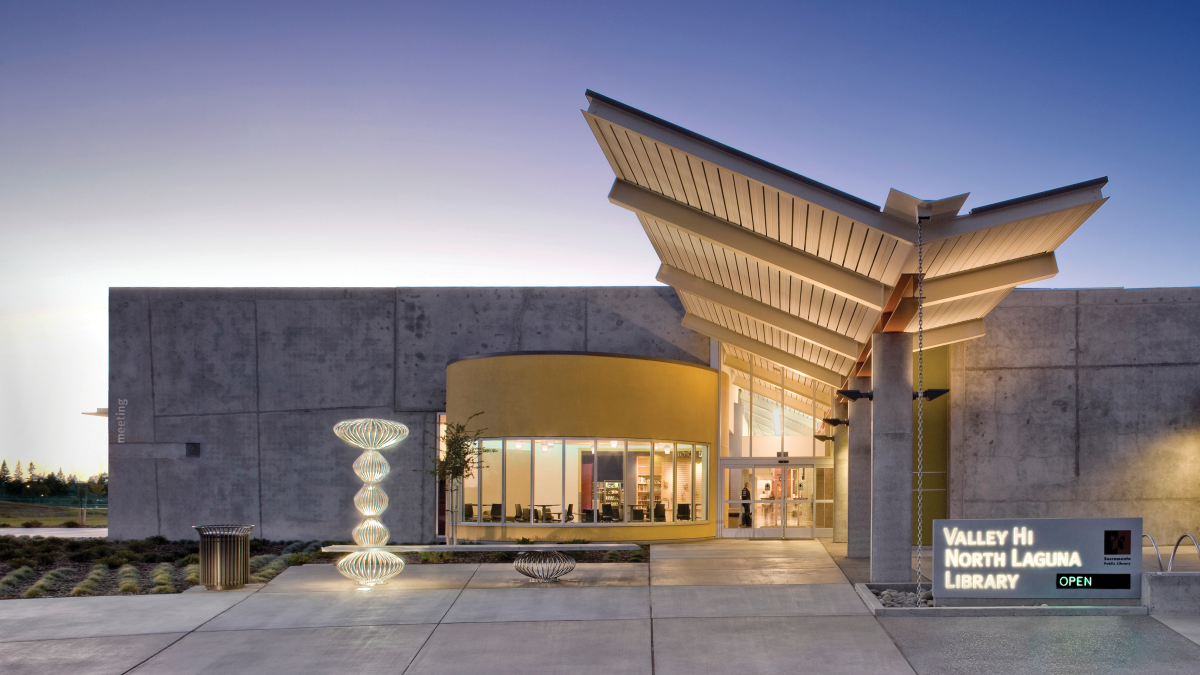
FEATURED STORY: We profiled several libraries in the Capital Region and the architects who designed them to reveal just how radically these institutions have changed — and why they matter more than ever in a digital age.
Now that library cards unlock streaming services, learning platforms and eBook rentals, does anyone actually go to the library? I do and can attest that, yes, there’s still plenty of life there. People are checking out books (about 144.7 million statewide in 2023-24), but they’re also attending community meetings, 3D printing in makerspaces, working with tutors and applying for jobs on public computers.
Libraries are some of the last remaining third places – spaces where we can find diversion, socialization and belonging outside of work and home. Their design matters.
Just before we moved away, my childhood city of Camarillo got a new library. Palatial in its construction, with vaulted ceilings and Old Spanish–style details, the youth section was situated in a life-sized (at least to a child’s eyes) pirate ship, half-submerged beneath a sea of blue carpet. It so captured my imagination that it ranked second only to Disneyland, about 80 miles away. I remember wishing we weren’t leaving.
Libraries invite us to check out, to linger, to engage. This week’s featured story explores what a library can be in the algorithmic age — a promised future where knowledge, potential and uplifting spaces still belong to everyone.
– Dakota Morlan, managing editor
In case you missed it: New $10 Million Home for Sacramento State Basketball a ‘Game Changer’ for Program

The move this season into a new 3,000-seat events center, home for Sacramento State’s men’s and women’s basketball teams, has finally happened, fueling a new optimism by sports fans at the university.
After SMUD Pulls Out, Is the Coyote Creek Solar Project a Climate Win or a Loss?
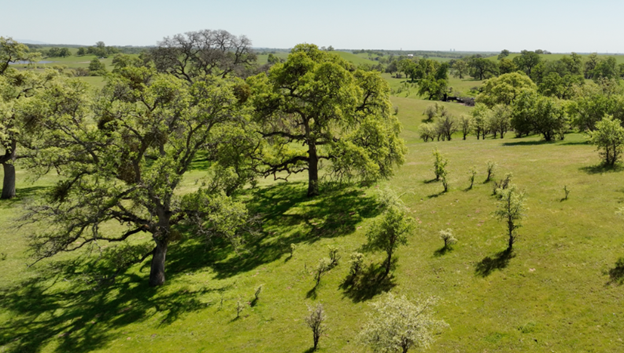
Though SMUD announced Jan. 5 that it would be canceling its power purchase agreement with the Coyote Creek Agrivoltaic Ranch, the future of the project — and whether or not it would have a net benefit on greenhouse gas emissions — remains unclear.
Is Housing First the Best Solution for Sacramento’s Homeless Population? | Opinion

“If housing first is a valid theory of change that addresses homelessness, the test is: does it result in a return to independence or at least minimal public assistance; does it address mental health problems; does it address addiction; does it restore the health of the homeless; and does it result in long term success?” The former CEO of SAFE Credit Union proposes a four-stage solution.
Tariffs Are Everywhere — But They’re Not the Whole Story

In our latest podcast episode, Comstock’s contributor Steven Yoder discusses his January cover story on how tariffs are affecting local businesses and why they aren’t necessarily the biggest factor shaping the economy in 2026.
Recommendations From Our Staff
Judy: We had my grandson Ryder’s 18th birthday party at Lazy Dog Restaurant and Bar in Folsom, a dog-friendly restaurant. While there are other restaurants that allow dogs, they’re usually outside on the patio. Lazy Dog lets you go inside their enclosed patio, which is heated and has fire pits. So fun to see pooches dining with their owners.
Jennifer: I just watched the documentary “Harlan County USA” on Criterion Channel and think it should be required viewing for every American. It follows a group of Appalachian miners as they strike for a new contract. The outcome takes a lot of struggle and pain, but it’s an example of what working people can achieve when they band together and don’t let outside forces separate them.
Odds and Ends
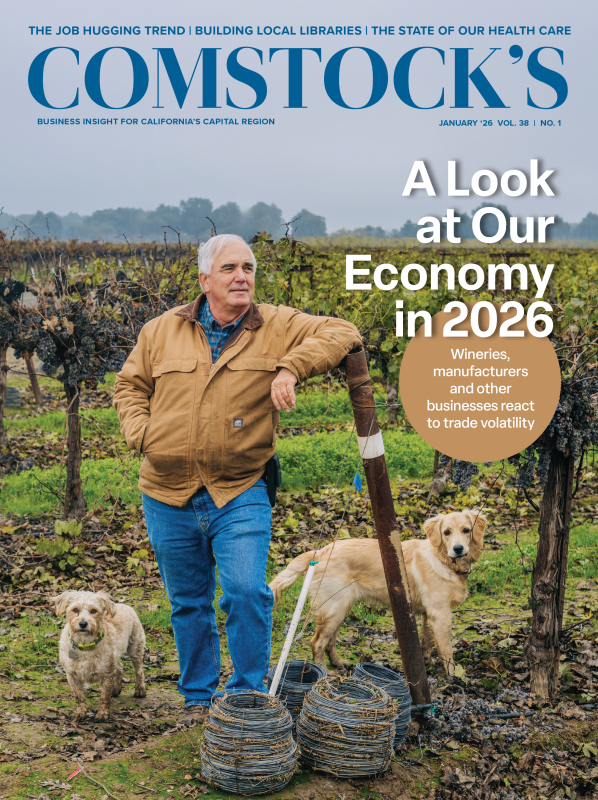
To kick off the new year, we’re diving into tariffs, job hugging and other forces shaping the 2026 economy. Access the January issue right now on your computer, phone or tablet.
But wait — it’s even better in print! Subscribe today.
Follow us on Instagram, Facebook, X and LinkedIn for daily stories and extras.