


On a wedge of half-drained land in the Sacramento-San Joaquin Delta, tucked between the Sacramento River and a slough named Snodgrass, is a ramshackle collection of shiplap buildings that has been an oasis of Chinese American culture for over 100 years. The hamlet of Locke, which bills itself as “the last remaining rural Chinatown in the United States,” celebrated its 10th annual Lunar New Year festival on Saturday, Feb. 14, with a day-long event that showcased the complex history and diverse present of this often overlooked corner of California.
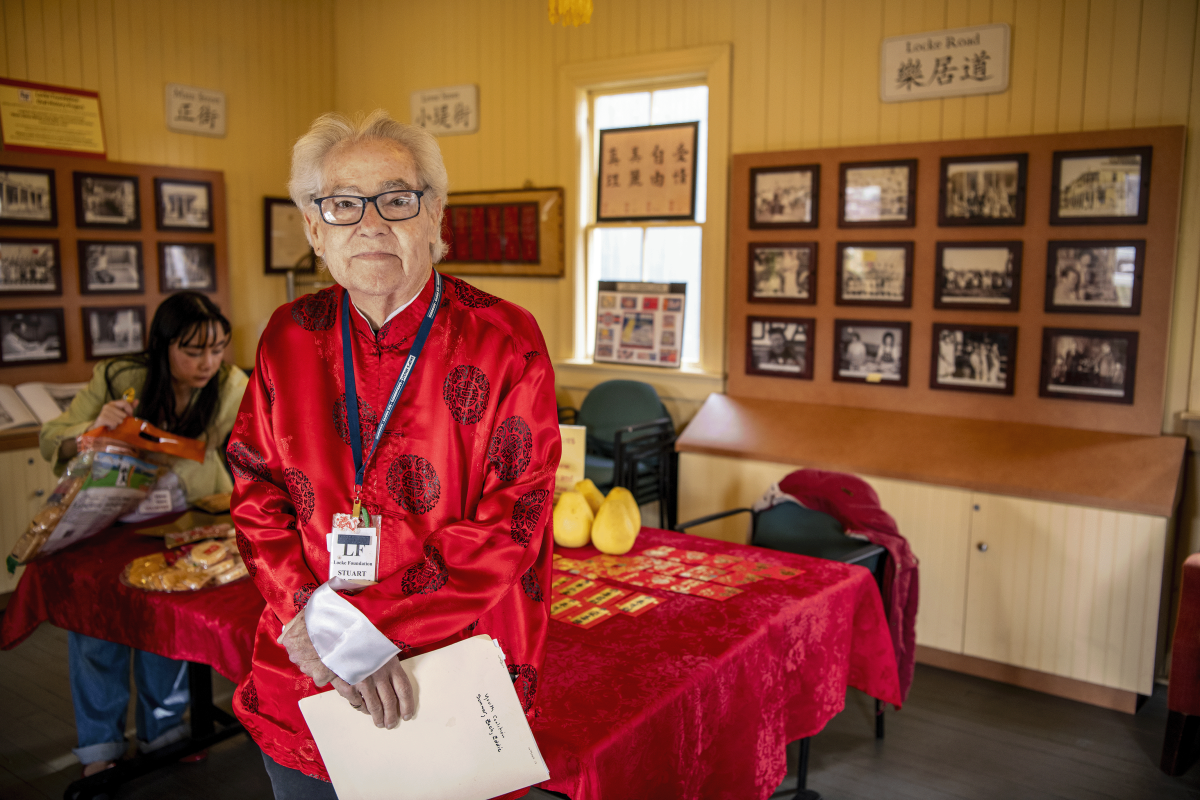
Stuart Walthall, a long-time resident, musician and chair of the
Locke Foundation, is a driving force in the town of Locke.
Chinese immigrants flocked to Northern California in the latter half of the 19th century, drawn by the Gold Rush and the money-earning opportunities that mushroomed alongside it. In the Delta, those opportunities included the grinding task of converting waterlogged marsh to agricultural land. The Chinese laborers who did this reclamation work lived in small “Chinatown” neighborhoods on the outskirts of existing towns.
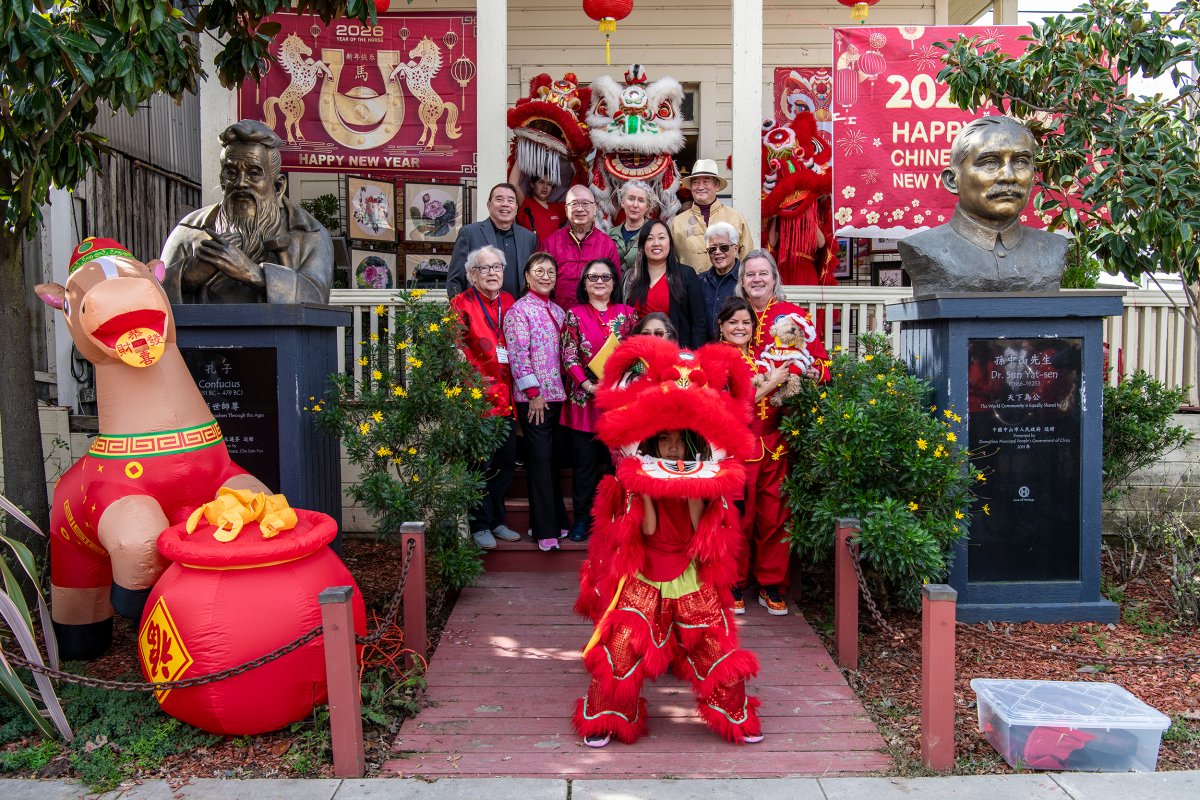
Local dignitaries gather to give opening speeches and kick off
the Chinese New Year celebration.
In 1915, the Chinatown in Walnut Grove burned down, prompting the displaced residents to build a hotel and a handful of other buildings on nearby land leased from owner George Locke. (The builders couldn’t buy the land because of the California Alien Land Law of 1913, which made it illegal to sell farmland to Asian immigrants.)
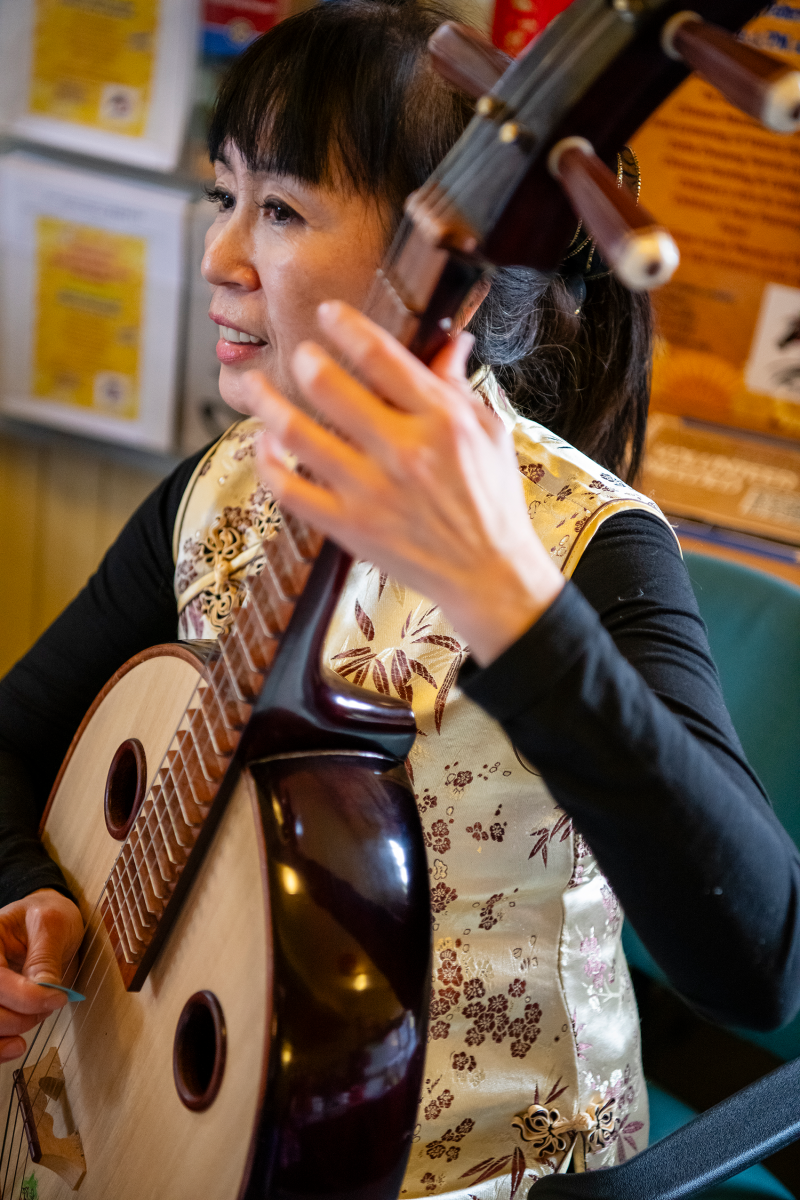
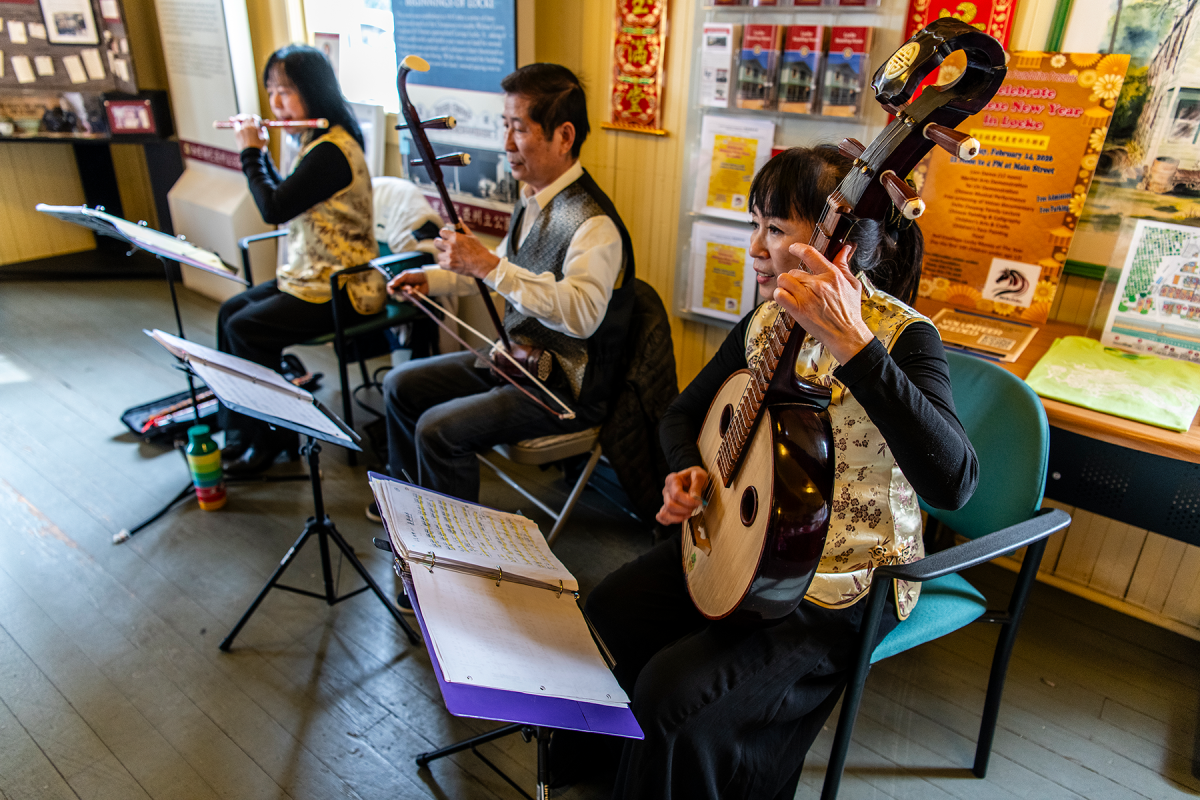
Marilyn Wong performs as part of the Capitol Chinese Orchestra.
Existing on the fringes of the mainstream, it attracted both people who were barred from participating in that world and those who wanted to escape it through temporary portals such as speakeasies, gambling halls and opium dens. At its peak, it was home to over 1,000 residents.
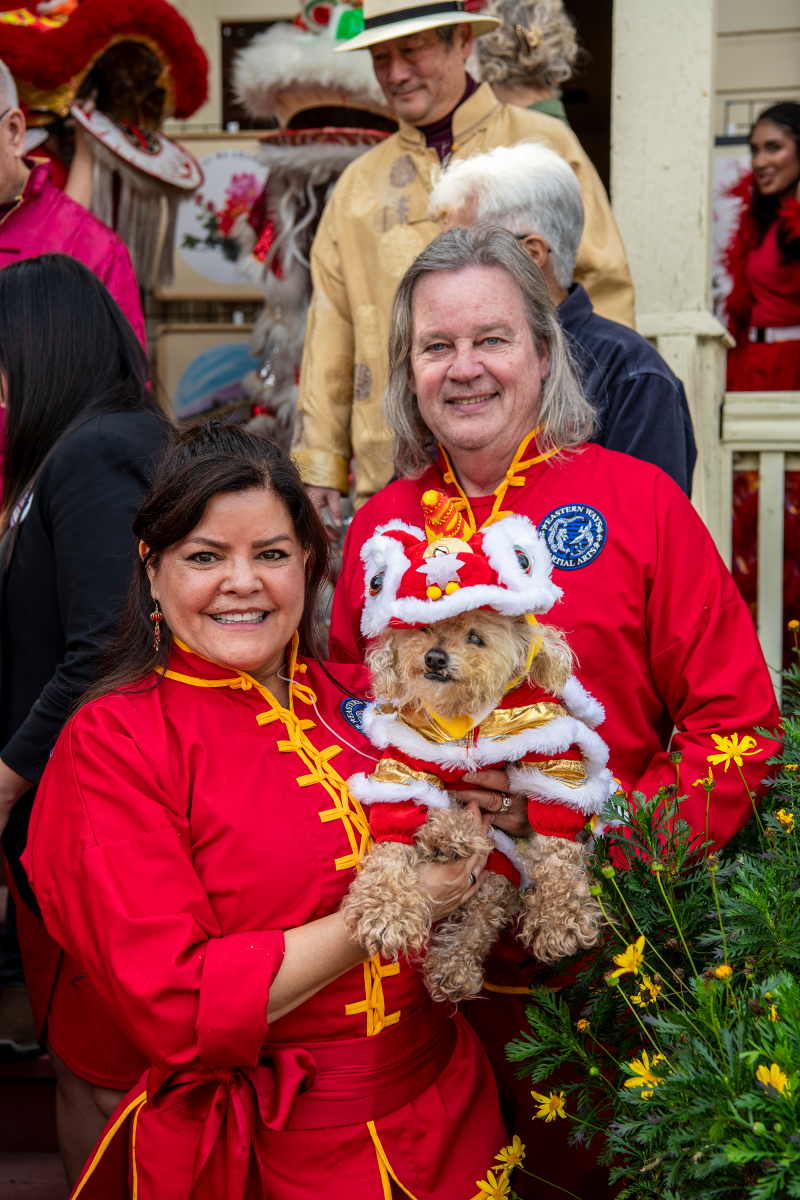
Sifu Alan Hubbard, leader of Eastern Ways Martial Arts, and chief
instructor Tai Simo Molina pose with Peaches, who is almost 17
years old.
By the mid-20th century, Chinese Americans had broader opportunities to live and work in California, and many of the descendants of Locke’s early inhabitants moved to more straight-walled and dry-soiled cities and suburbs. The buildings aged but stayed mostly upright, their out-of-the-way location shielding them from the waves of urban renewal that claimed many other stretches of 19th- and early 20th-century vernacular architecture around the state.
The lions greet enthralled children.
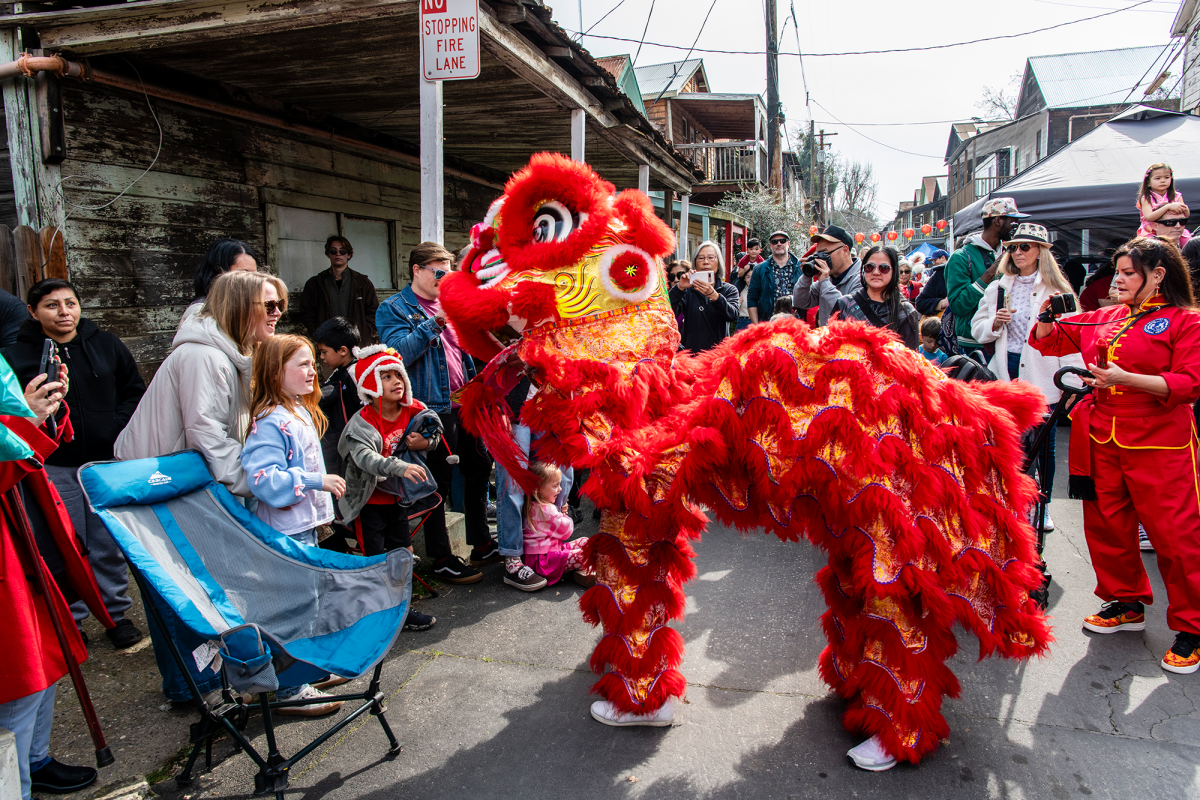
Today, Locke is home to about 70 people, most of whom are not of Chinese descent. Still, its small Main Street is an homage to its heyday as a Delta Chinatown.
Louisa Yu, Jickmon Wong and Marilyn Wong performing as the
Capitol Chinese Orchestra. The orchestra’s mission is to promote
Chinese music by playing to the public and training musicians.
Visitors can peek into several buildings preserved as 20th-century time capsules, like the Dai Loy Gambling Hall with tables still set for craps and dominoes, the Jan Ying Museum displaying heirlooms like Chinese screens and ceramics brought across the Pacific, and the Chinese School Museum flanked with busts of Confucius and Sun Yat-Sen. Scattered among these are stores selling sundries like used books, vintage clothing and art, in addition to a Chinese Cultural Shop that sells souvenirs and pamphlets related to Locke’s history.
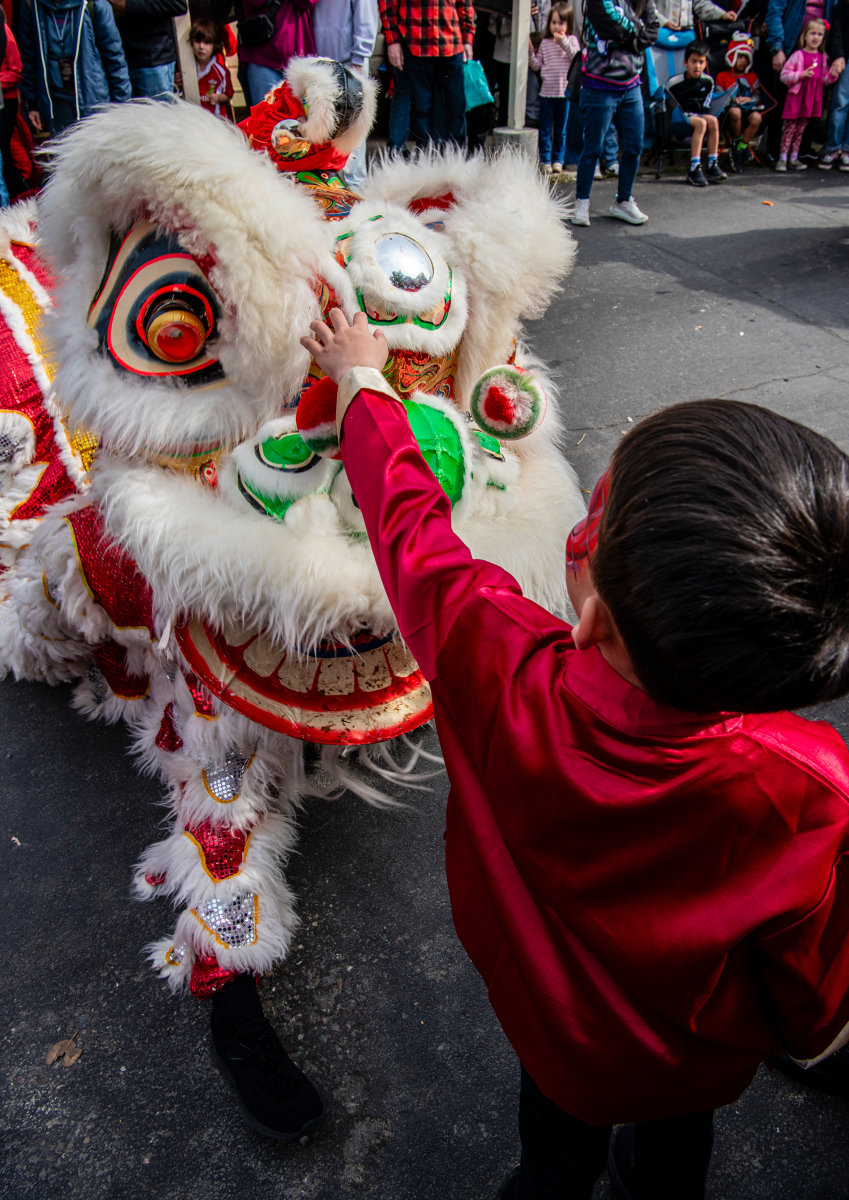
A child reaches out to pet one of the lions.
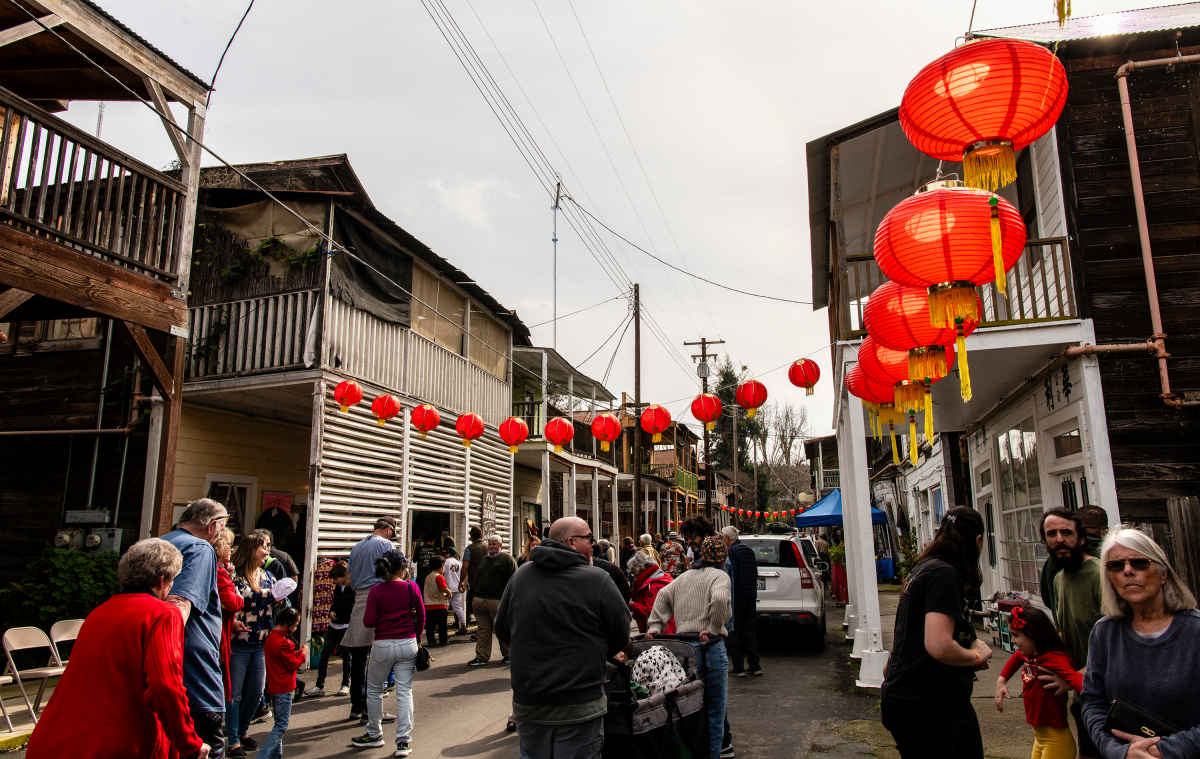
An inflatable horse — 2026’s Chinese zodiac animal — appeared in front of the Confucius bust during the Lunar New Year festivities Feb. 14. The shiplap buildings, some of which are bulging with age and sinking into the soft ground, were brightened up with red-and-gold banners and strings of Chinese lanterns as hundreds of visitors thronged the narrow Main Street.
Arianna Sanchez performs during the martial arts demonstration
put on by Eastern Ways Martial Arts.
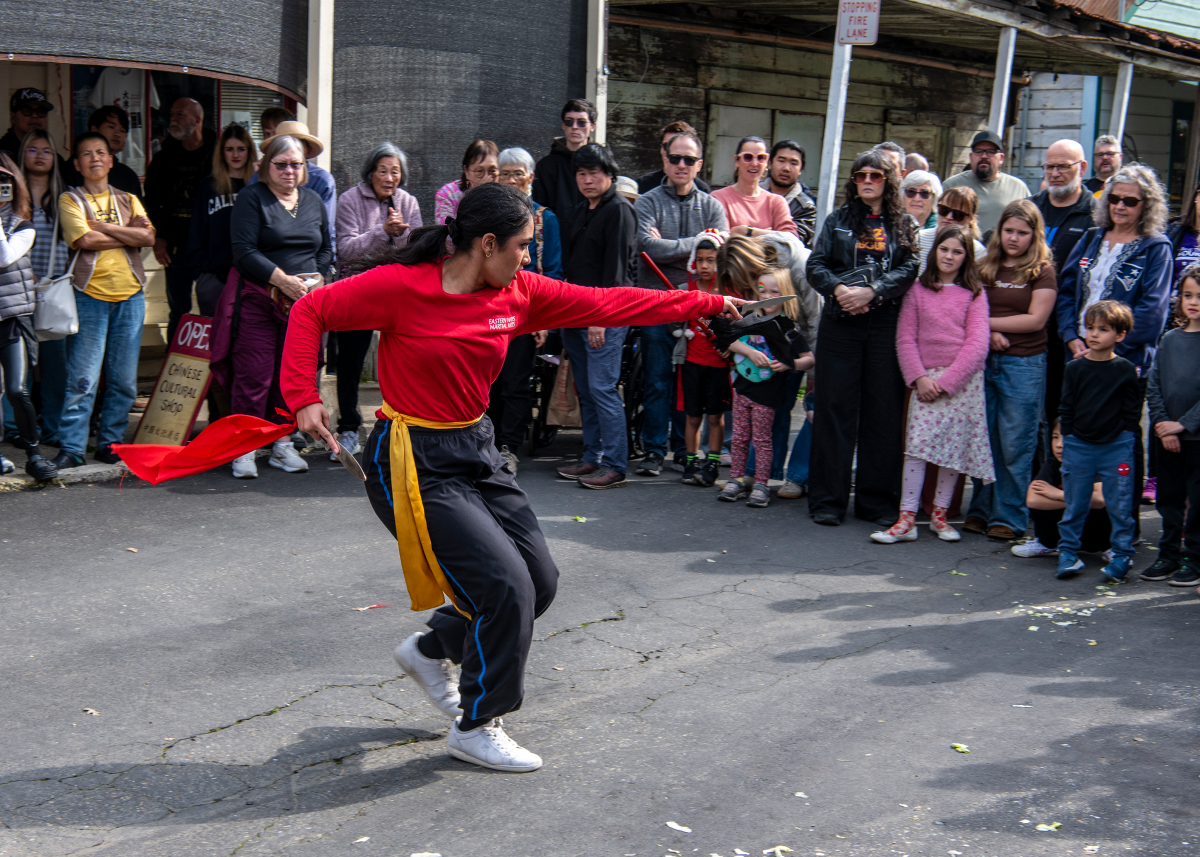
In addition to lion dances, martial arts, tai chi and musical performances, attendees could watch the documentary “Voices: Chinese Women of the Delta” or a lecture on the Owyang family, one of the oldest and most prominent Chinese families in the region.
Visitors enjoying a stroll along Main Street in Locke.
If you missed Locke’s Lunar New Year festival, you can still visit the town to learn about Chinese history in the Delta. Most stores and museums are open on the weekend, and guided walking tours are available with prior notice. For more information, contact the Locke Foundation.
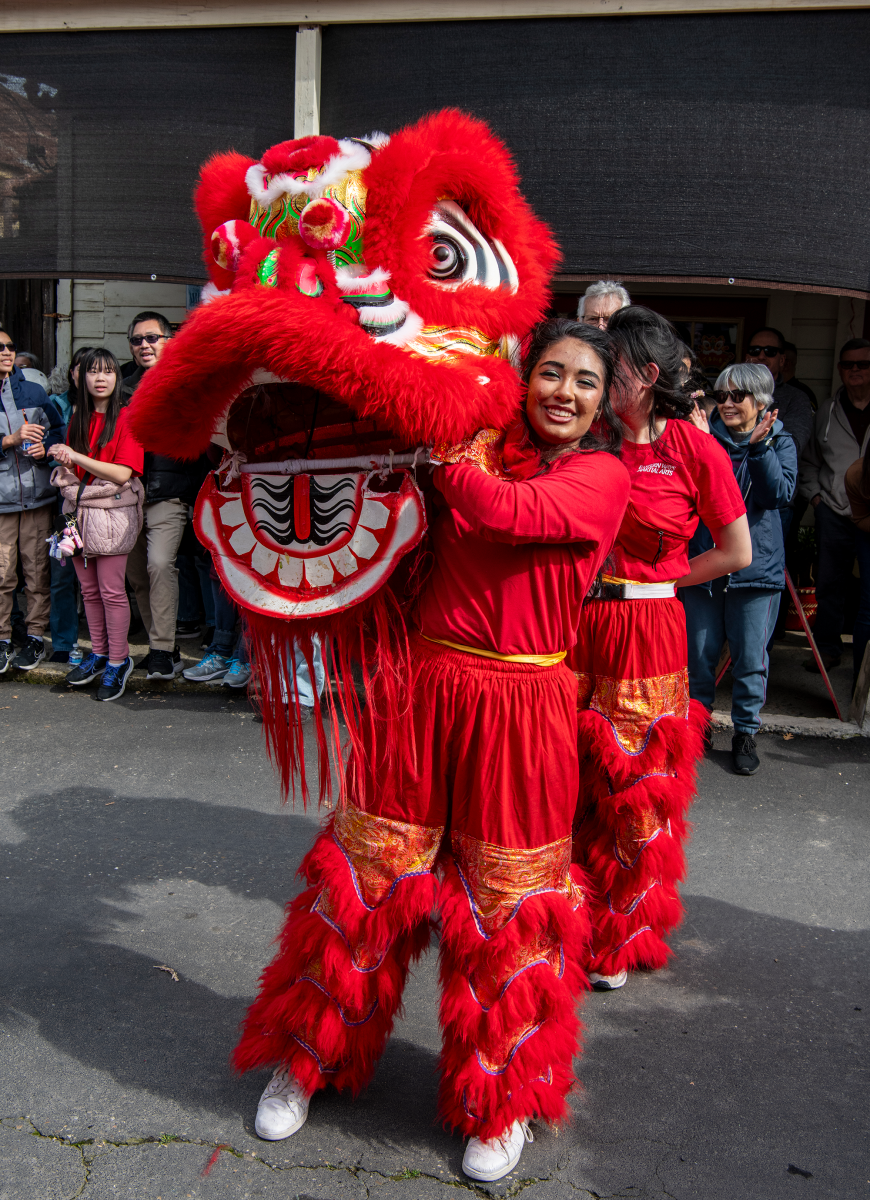
Arianna Sanchez, a member of Eastern Ways Dance Team, poses
without her lion head.
–
Follow @comstocksmag on Instagram!
Recommended For You
Mardi Gras, Lunar New Year and Burning Man Join Forces at 2 Sacramento Events
Sacramento Mardi Gras and Lunar New Year festivals reflect the region’s cultural diversity
Marching bands, floats and Burning Man performers will share space with lion dancers, áo dài fashion shows and “KPop Demon Hunters” cosplayers at two combination Lunar New Year and Mardi Gras celebrations this month.
Colorful Bar in Historic Locke Stays the Course After an Ownership Change
Al the Wop’s has been serving bikers, locals and tourists for 75 years
The Delta bar’s five new owners kept the biker bar’s decor, unique traditions, steakhouse-style food menu and controversial name.
Tribes and Allies Form a Coalition Against the Delta Conveyance Project
The Winnemem Wintu, Shingle Springs Band of Miwok Indians and other groups oppose plans to build the Delta tunnel
Southern and Central California water districts say they need the Delta Conveyance Project to withstand drought and climate change, but opponents say it will drain vulnerable ecosystems.
A Japantown Jazz Star Comes Home
1936 film starring Sacramento-born singer Betty Inada is screened in Sacramento
Betty Inada, a Japanese American jazz singer born in Sacramento in 1913, sought fame in Japan in a time when American screens and stages had little space for Asian women.