


This story is part of our October 2026 issue. To read the print version, click here.
A new college president plans to grow enrollment by making a liberal arts education more accessible to nontraditional students. The new head of the state museum aims to reach wider audiences through traveling exhibits. And the new leader of a group that pairs youth in foster care with volunteer advocates hopes to boost the number of kids served.
They’re a few of the 11 new Capital Region CEOs we spoke to about what they foresee for their organizations. A strong crop of leaders can drive real change locally. For example, in 2007 more than 300 Cincinnati executives dropped their agendas to focus on K-12 student achievement, lifting performance on dozens of education indicators. And strong philanthropic leadership can create new industry clusters in regional economies, according to Brookings Institution case studies published last year.
But new leaders often fall into common traps. Some think they need to arrive with answers, but their first job is to stay curious and listen, says Bonnie Ferreira, CEO of the American Leadership Forum Mountain Valley Chapter, a Sacramento-region leadership development network. That’s important because people tend to be more honest with someone new to the role, she says.
Others stumble into either aiming to prove themselves quickly or wanting everyone to like them, says Elk Grove-based executive and leadership coach Gavan Ambrosini. “It’s that tightrope of finding a balance: being solid in your foundation of what you represent, but also being curious, compassionate and open, really able to listen deeply to the system that you’re now serving,” she says.
Here’s what these leaders told us about the future of their organizations and how they aim to advance the region’s greater good.
Sacramento Zoological Society CEO Dan Simon
Sacramento Zoological Society CEO Dan Simon was chosen to lead
the zoo after a nationwide search. He hopes to expand the size of
the zoo and bring in more exhibits. (Photo by Francisco Chavira)
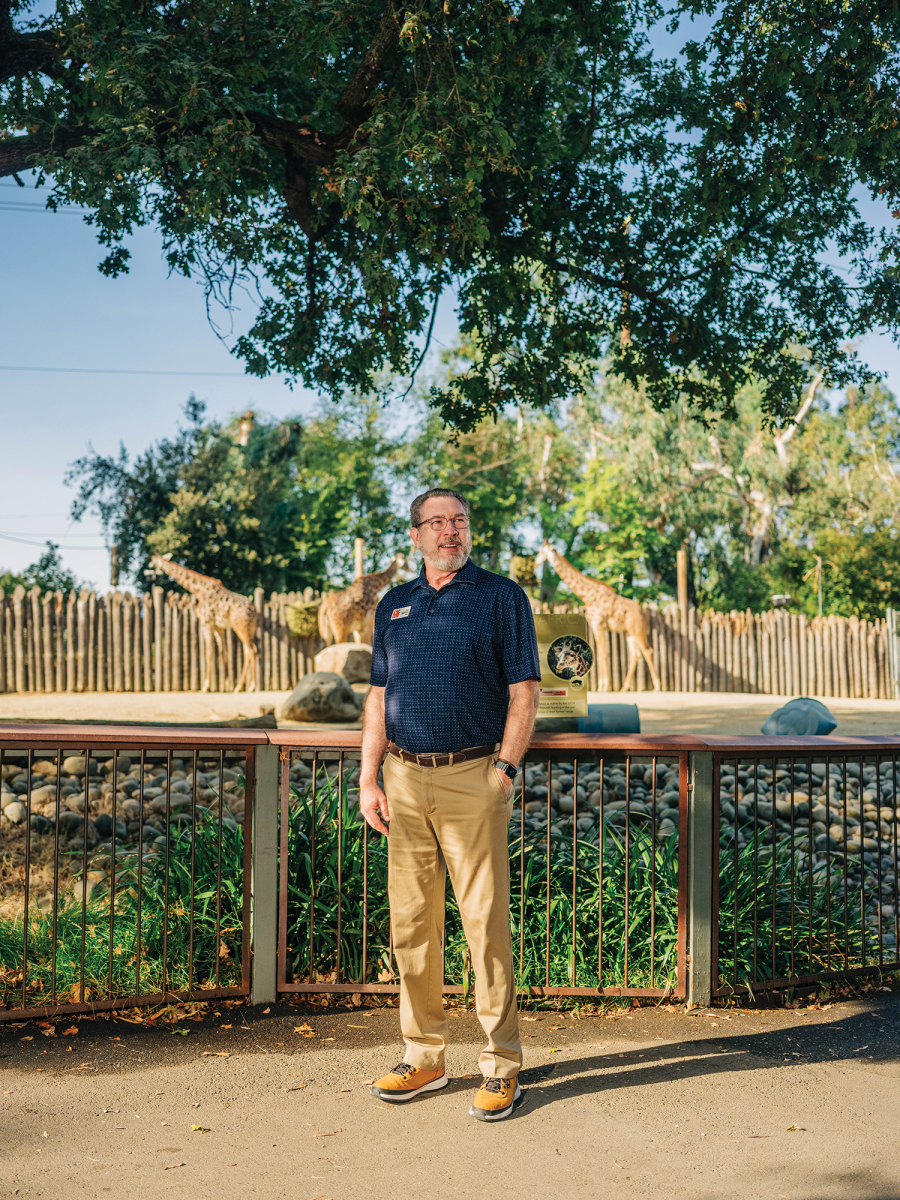
Simon, the former executive director of the Fossil Rim Wildlife Center in Texas, was chosen after a nationwide search. Since Simon started last December, his focus has been securing more space for the Sacramento Zoo, which the society runs. Its current 14 acres make it one of the smaller accredited zoos in the country.
That goal moved closer in September, when the Sacramento City Council approved a measure that would allow the zoo to add more than 5 acres. An environmental review still lies ahead, but Simon sees a path toward having space for big improvements.
Those might include expanding the zoo’s Australian habitat and bringing back tigers. The zoo is at a similar point to one he ran in South Dakota: by boosting funding, that facility brought in new exhibits, which doubled attendance, he says.
SMUD CEO and General Manager Lora Anguay
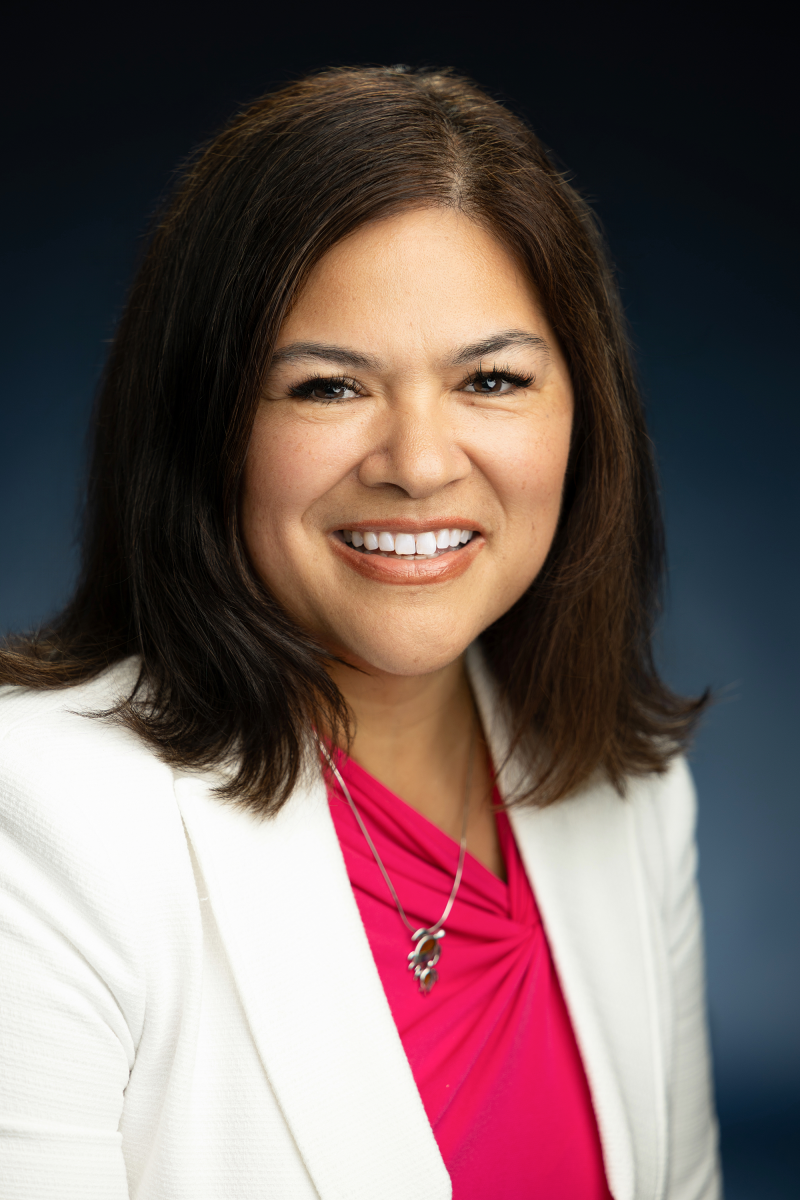
Several factors, like rollbacks in investor tax credits and canceled grant funds, mean the utility must push back its 2030 goal to stay within the inflation cap, says Anguay, a 22-year SMUD veteran. The utility expects to be “80 to 85 percent of the way there” by then, which she calls a “huge advance from where we were.”
Part of keeping rates down is spreading fixed costs across a larger customer base by attracting businesses to the region, says Anguay. She’s especially interested in companies working on clean-energy technologies and points to a new partnership between SMUD and Peak Energy, which makes sodium-ion batteries and chose Sacramento over Texas for its new manufacturing facility.
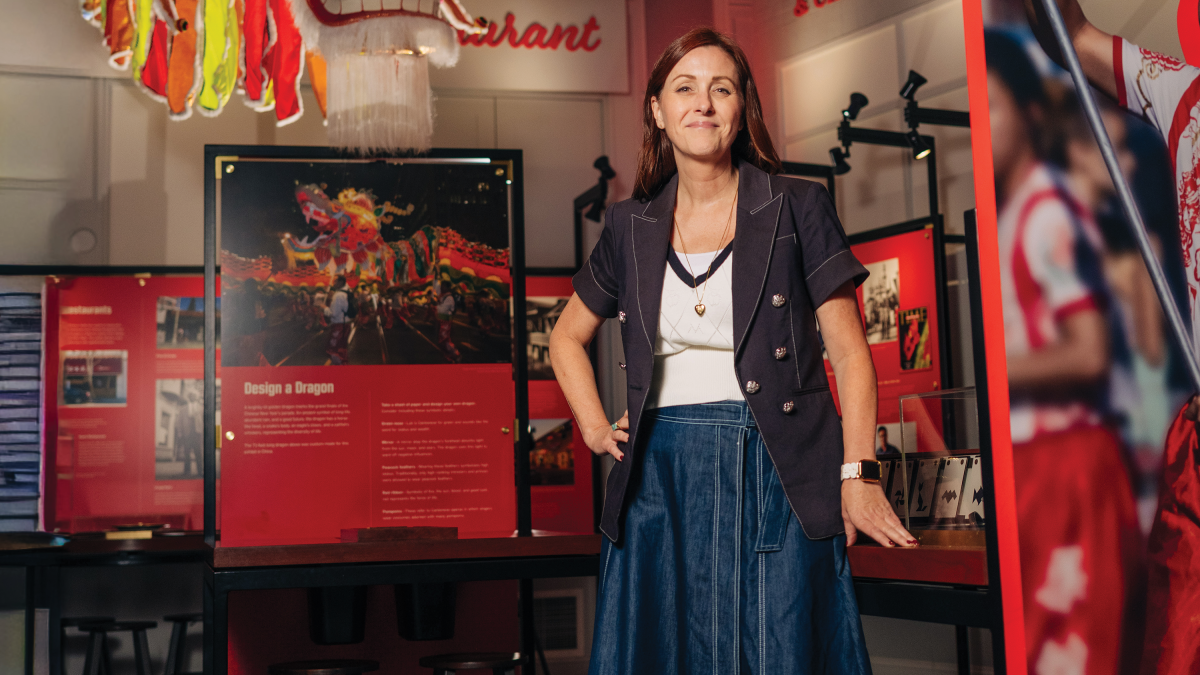
California Museum Executive Director Erin Clancey
Erin Clancey, executive director for the California Museum, wants
to showcase some traveling exhibits around the state so others
can see what the museum offers.
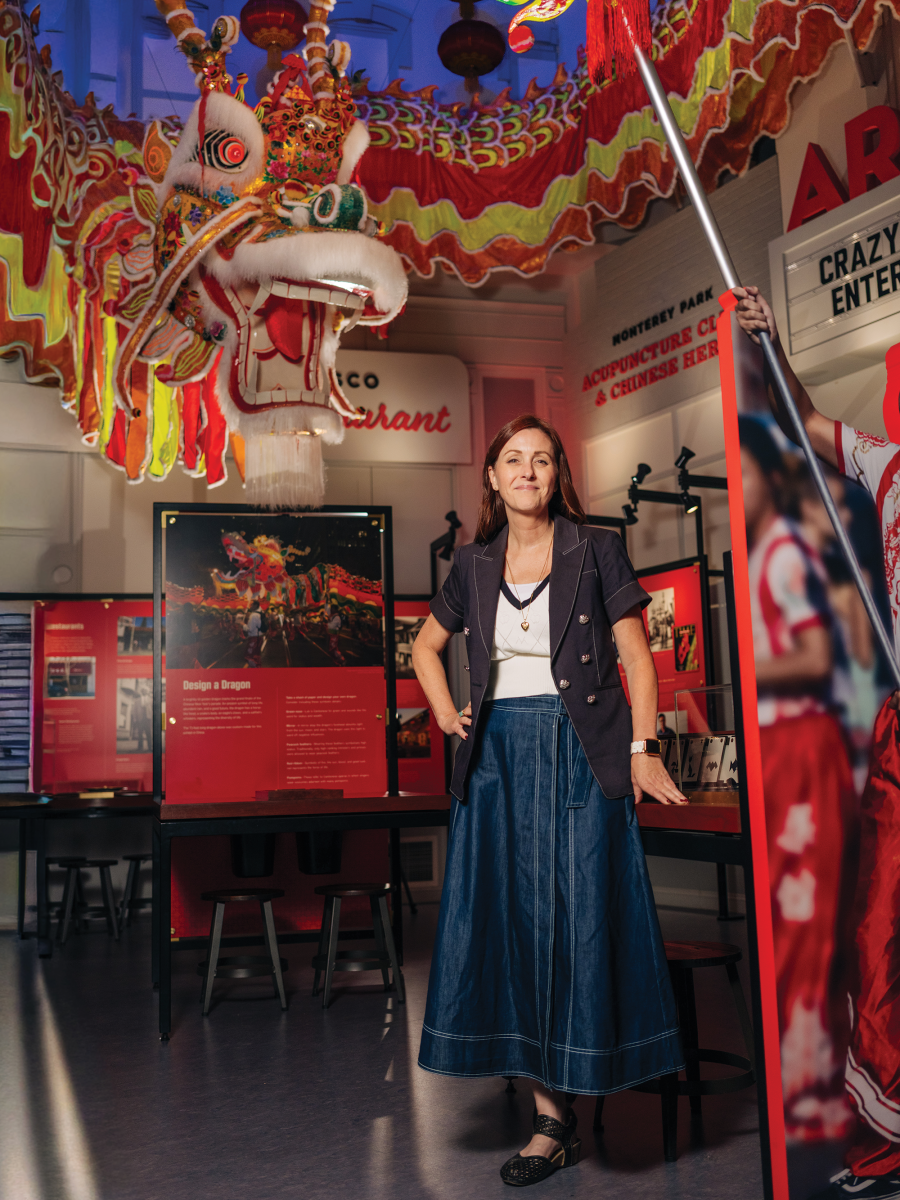
Speaking 10 days before her start date of Sept. 1, Clancey, a Davis native who formerly worked at The National WWII Museum in New Orleans, says her priorities would be learning the institution well and listening to staff and museum stakeholders. But she envisions the museum becoming even more connected and accessible to people who can’t get to Sacramento to see it, she says. One way might be through traveling exhibitions that bring its stories to communities: both larger exhibitions that can be shown in bigger facilities and micro-exhibits that require little setup.
That will require growing philanthropic support and developing partnerships. It’s good to have ideas, but “the harder question is how to make them happen with the infrastructure and funding that underpins them,” she says.
Postmaster of Sacramento Neil Gonzalez
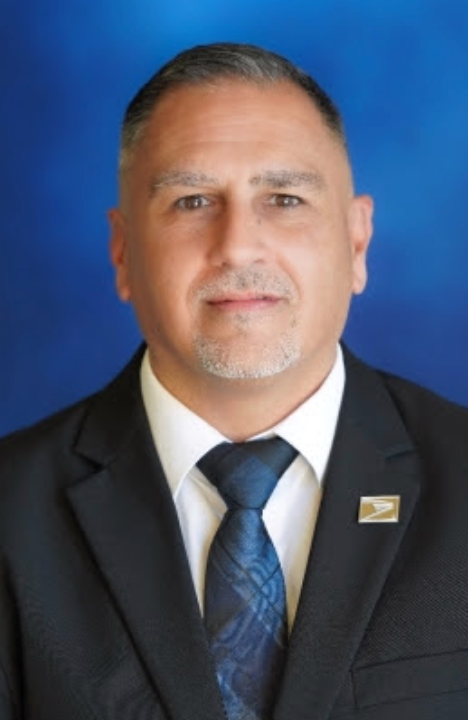
That means contending with weather and dogs. Nationwide, dogs bit postal carriers 5,200 times last year, he says. It’s why part of his job is educating customers in media interviews during National Dog Month, which is August.
He’s proud of the agency, calling it the “original social network.” He loves that, even now, “for less than a dollar, you can put a stamp on a letter and drop it here in Sacramento, and within two to four days we can walk it up the steps at a home in the Bronx.”
PRIDE Industries President and CEO Craig Levra
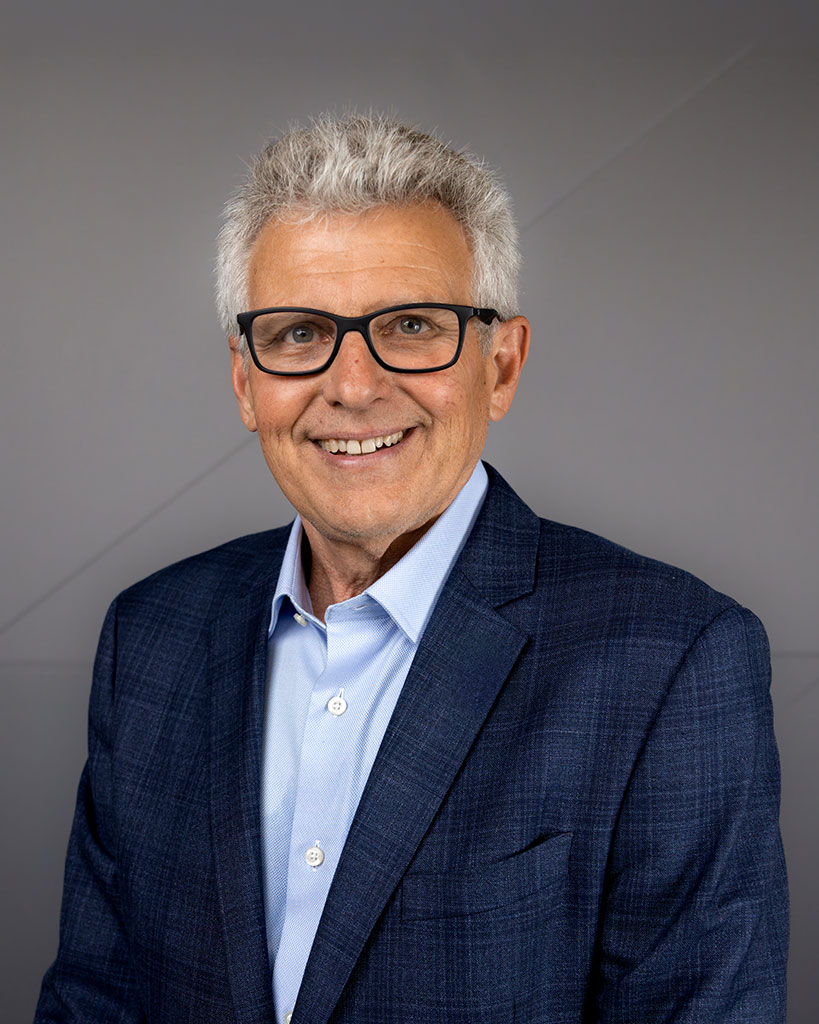
The company maintains 198 contracts with publicly traded corporations, government and private companies to provide services like facilities management, laundry services and more, says Levra. It also runs day centers that offer people with disabilities education and life skills courses.
A key early priority for Levra, the former executive vice president and COO of Goodwill Southern California, has been developing a strategic plan. Part of the goal: assess which contracts work and which don’t to determine where to expand and what to drop.
Los Rios Community College District Chancellor Torence Powell
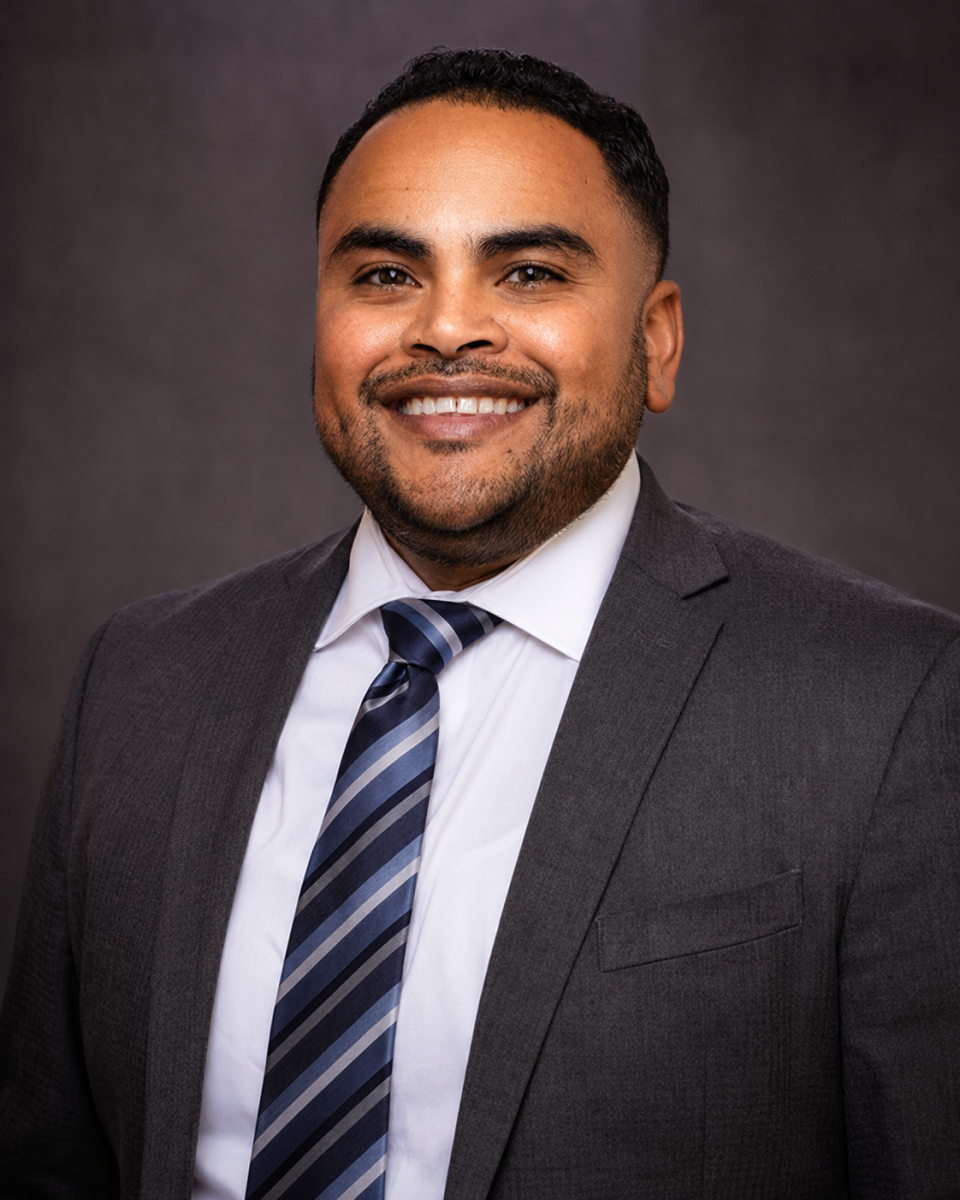
It comes at a time when colleges and universities are grappling with how best to prepare students for jobs in an age of artificial intelligence. Among other things, addressing that challenge demands tight coordination with the district’s workforce partners, says Powell.
Meanwhile, the district’s board voted to create a ballot measure to fund modernization of its facilities — such as providing safe drinking water and repairing leaky roofs — through a $1.1 billion bond. In the run-up to the November vote, Powell will serve as the public face, offering context on why the district created it, he says.
Court Appointed Special Advocates for Children Sacramento CEO Tiffany Sickler
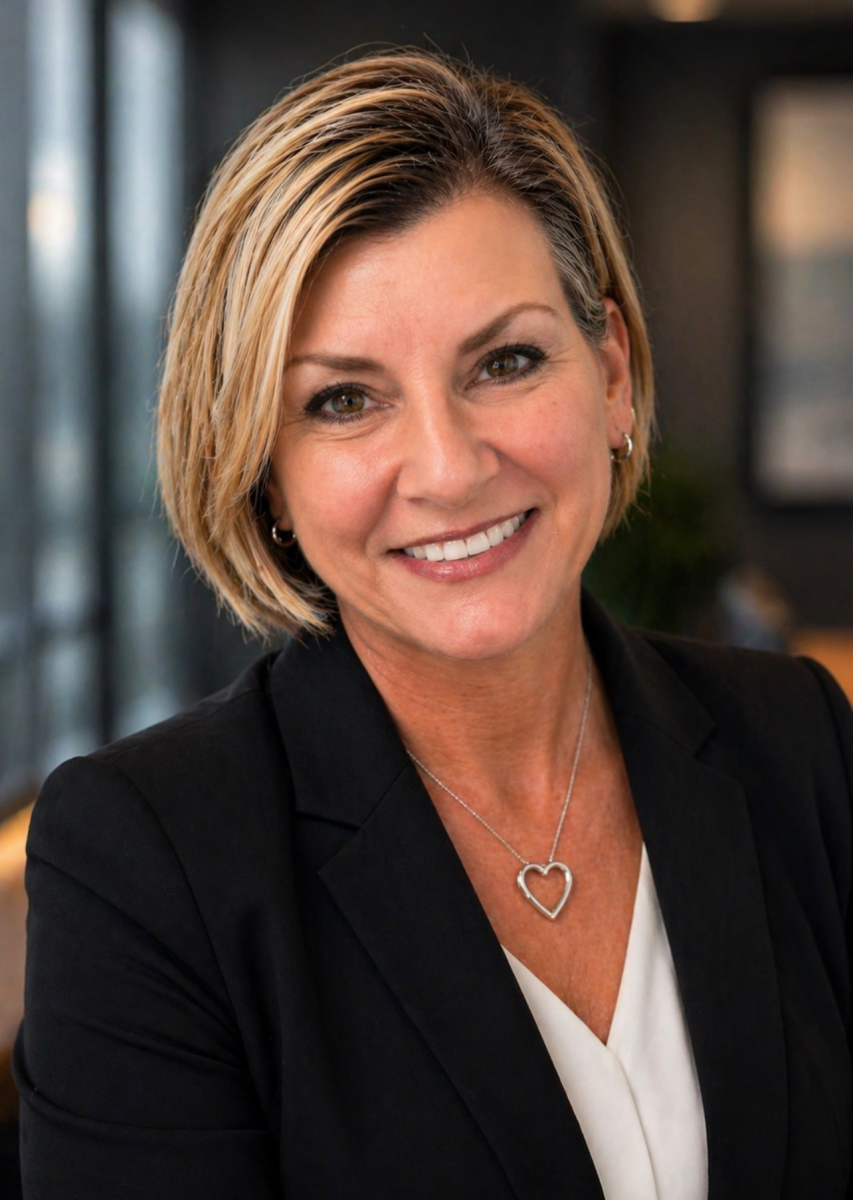
Recruiting more volunteers and providing them better support is another: Six hundred youth in Sacramento go without a CASA volunteer because there aren’t enough to go around, says Sickler, who was previously the executive director of Koinonia Family Services. The organization is casting a wide net about the need for mentors, including to chambers of commerce. She’d also like to enhance how the group supports volunteers, such as by assisting with transportation costs and helping them with case notes and court reports.
American Red Cross Regional Executive for the California Gold Country Region Nuriddin Ziyadinov
Nuriddin Ziyadinov, American Red Cross regional executive, is a
veteran of disaster response. He wants to deepen relationships
with donors and corporate sponsors. (Photo by Francisco Chavira)
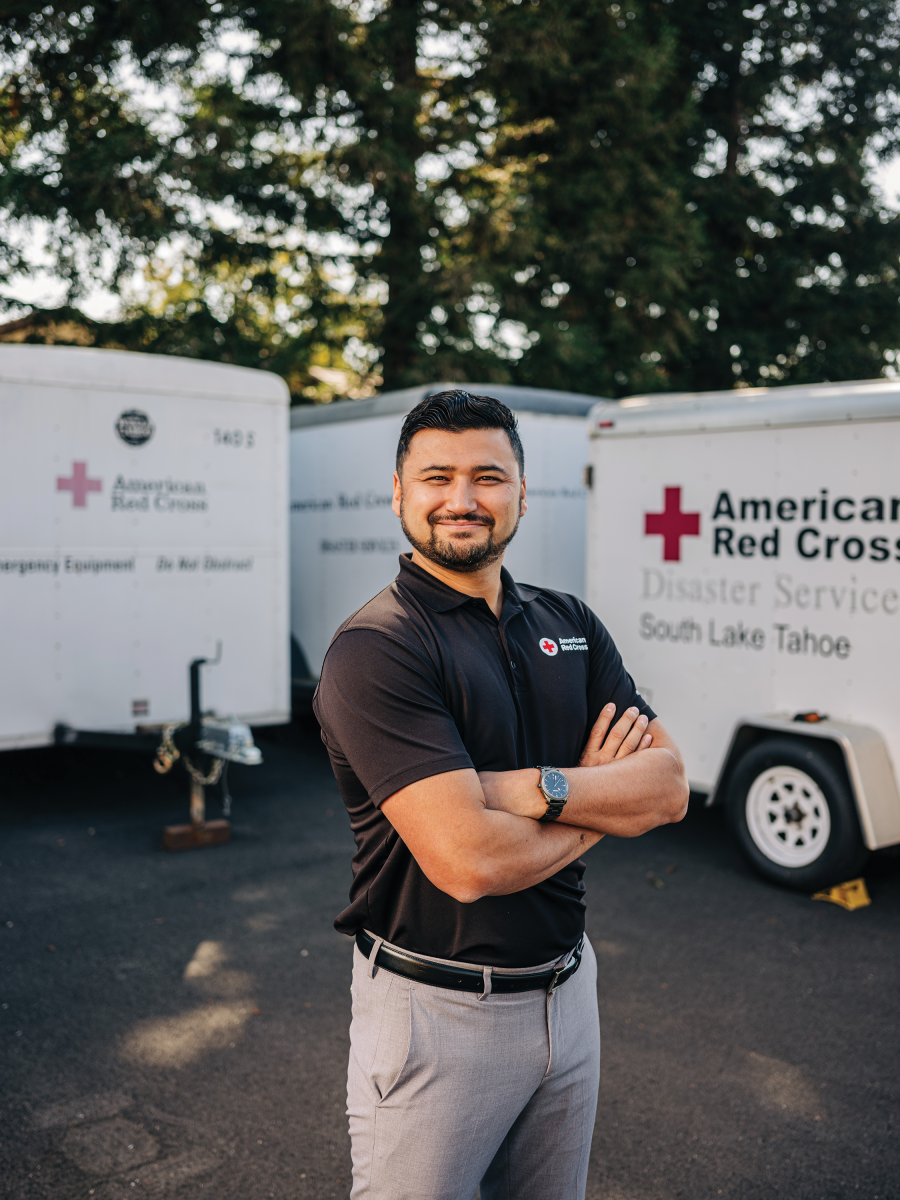
Ziyadinov champions not just the group’s better-known services after natural disasters but also the smaller ones, like sending someone to help survivors after every house fire.
More frequent and intense disasters mean the region is leaning on Red Cross services more than ever, says Ziyadinov, who is a veteran in disaster response and is fluent in six languages. For only the second time in American Red Cross history, the organization declared a blood crisis in July after supply fell sharply.
In response, he wants to deepen relationships with donors and expand the group’s corporate and community partnerships. Local businesses can host blood drives, employees can volunteer and leaders can serve on the group’s boards, he says. He’d also like to hold more discussions with community leaders and members about disaster preparedness.
Jessup University President Meghan Simpkins
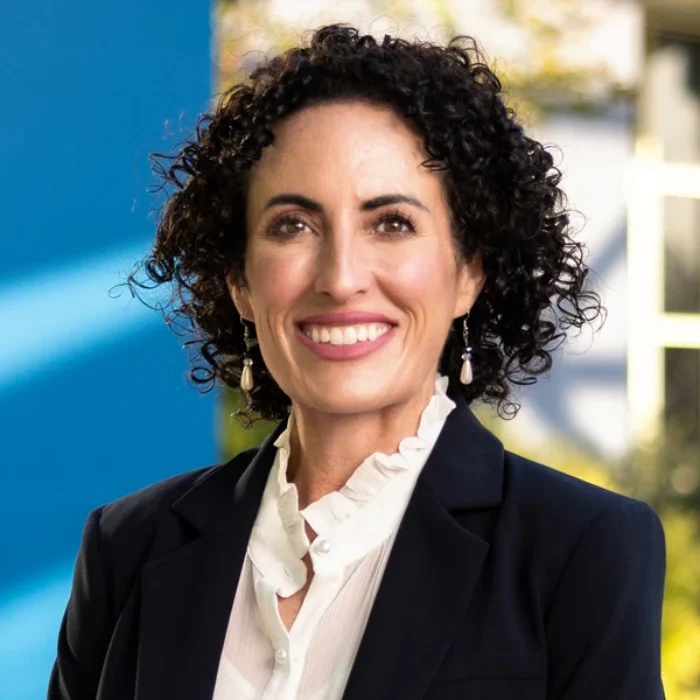
She brings experience reshaping liberal arts education. At Southeastern University in Florida, she launched a program that combined trades education — programs like construction technology — with traditional college coursework. School enrollment jumped from 6,000 to 13,000 during her tenure.
Liberal arts schools like Jessup are struggling nationwide. Simpkins wants to attract students who don’t usually consider a liberal arts college. That could mean, for example, letting working students earn course credit for past and current work experience, under a mentor’s supervision.
“Christian higher education has a business model problem,” says Simpkins. “There’s a sector-wide need to reimagine what education looks like.”
Sacramento City Manager Maraskeshia Smith
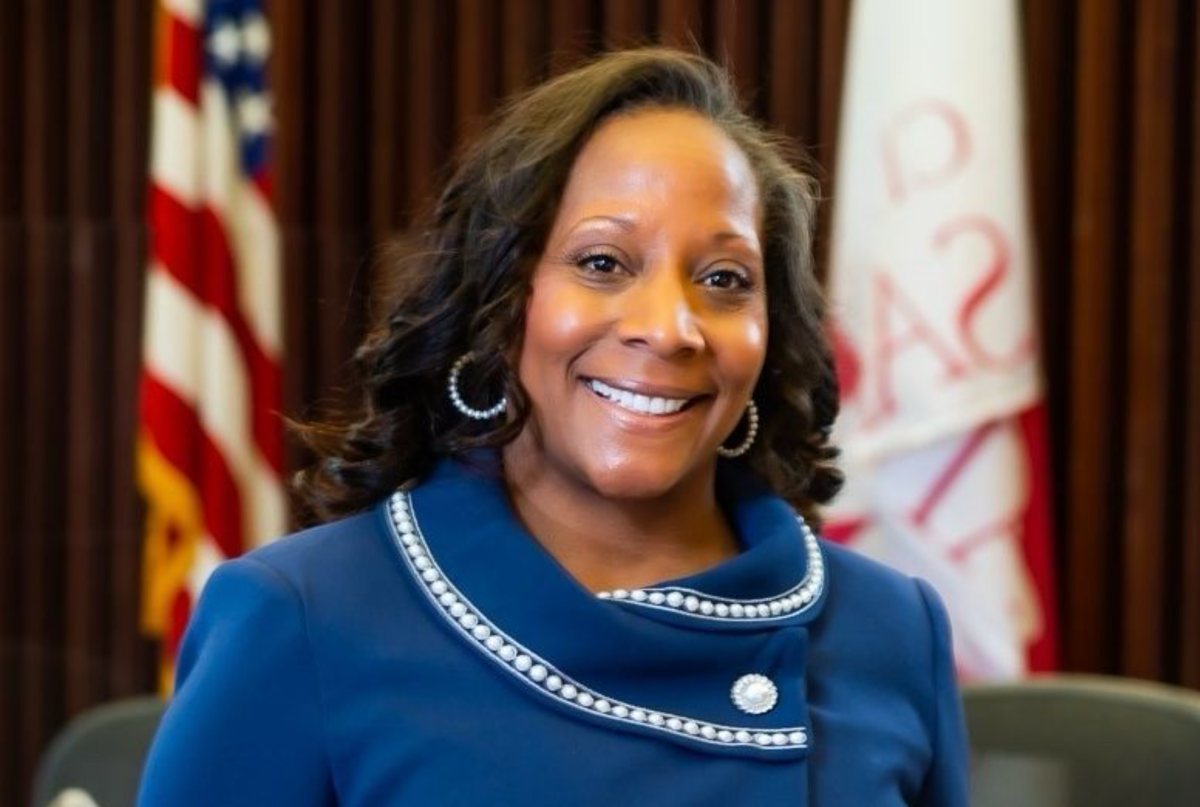
In listening sessions, she heard several themes from residents. They’re frustrated with basic city services and the physical condition of the city. They’re confused about the city’s role in sparking economic development. And they consistently said they want a safe city, Smith said via email.
In July, her office released a strategic workplan to create shared priorities inside city government. That means departments working together, setting clearer expectations across them, and holding city government accountable to those shared outcomes. The goal? To make Sacramento the “best-managed city in the country,” says Smith, who previously worked in public service positions in Cincinnati, Oakland, Santa Rosa and Stockton.
First 5 Yolo CEO Victoria Zimmerle
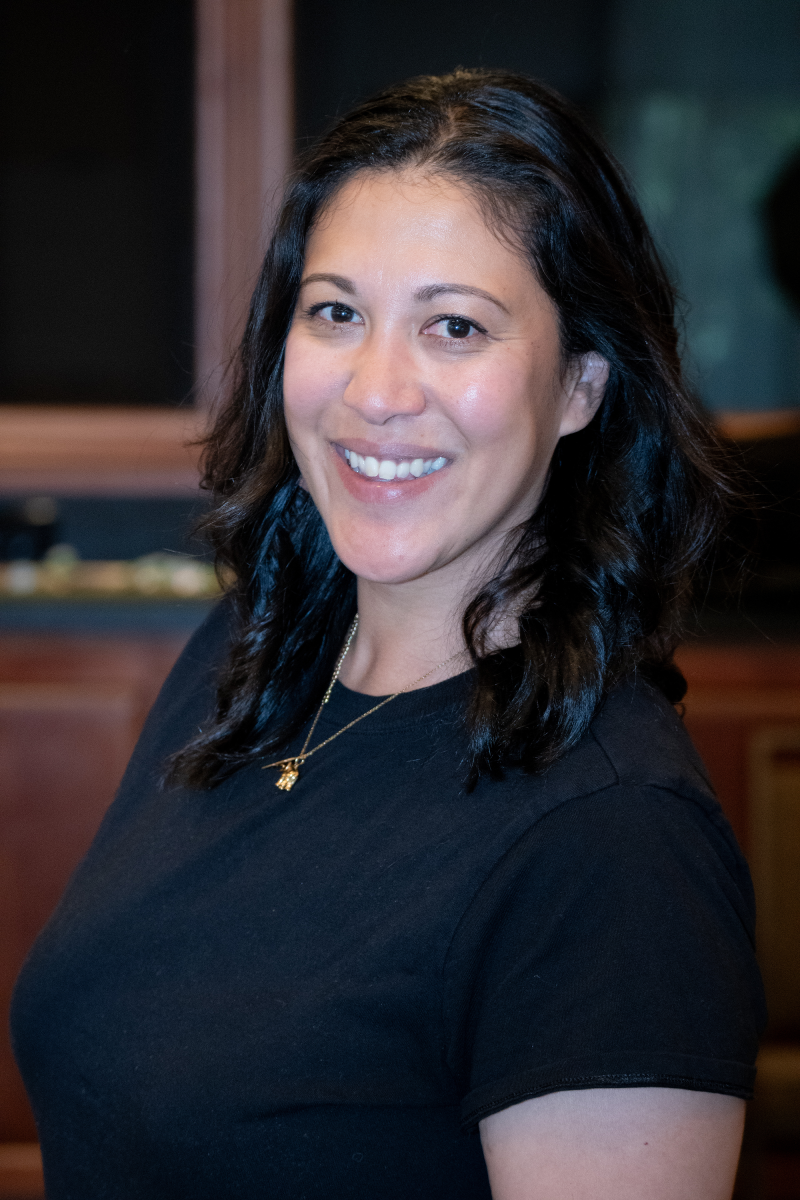
It’s worked almost too well. As smoking rates have fallen, so has First 5 revenue. Zimmerle and her team are generating solutions — for example, having some of the group’s services paid for through a Medi-Cal program that funds care coordination and social support services.
Prevention services are First 5 Yolo’s lane. Its Welcome Baby: Road to Resilience program, for example, offers free home-visiting support to pregnant mothers and new parents and children. Zimmerle, who joined First 5 in 2017, is looking for new partners. “If there are opportunities for us to engage or collaborate, I’d love to hear,” she says.
Some other new leaders in the Capital Region include Bryan Bucklew of the California Hospital Association and Kiera Anderson, Sacramento Ballet’s new executive director.
Whether the challenge is a shrinking budget, a crowded zoo or a shortage of volunteers, all 11 CEOs expressed the same instinct: Listen first. Given what’s riding on their success, the region has good reason to hope they’re off to a good start.
–
Stay up to date on business in the Capital Region: Subscribe to the Comstock’s newsletter today.
Recommended For You
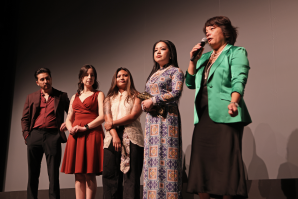
‘I Could Not Be Silent’: Sacramento Nonprofit CEO Shares Story of Survival and Healing in New Film
'And Then We Rise' premiers at the Sacramento Asian Pacific Film Festival
The 10th annual SAPFF opened with an Anh Phoong-produced
documentary about two women who turned personal trauma into
advocacy.

Female Startup Founders Share the Decisions That Changed Everything
From putting payroll on a credit card to finding a new use for a product, here are the moments that defined Sacramento startups
We asked three female founders to name one moment they remember from building their companies that they didn’t recognize as pivotal until much later. Here’s how they answered.
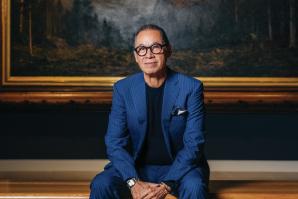
The Crocker Art Museum’s CEO Wants the World — and People of Sacramento — to Love His Newly Adopted City
Agustín Arteaga brings an architectural eye to the job
Arteaga’s job requires him to maintain the viability and contemporary relevance of the oldest art museum in the West.
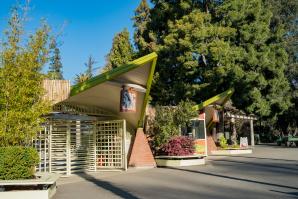
A Zoo Too Far? Maybe Not
FROM THE PUBLISHER: The on-again/off-again saga of relocating the Sacramento Zoo from its longtime William Land Park location to the city of Elk Grove, a little under 13 miles away, had seemed like an idea whose time, available acreage, freeway access and enthusiastic support had come. Then it seemed like it hadn’t, and the project was unceremoniously killed. What happened?