


This story is part of our August 2026 issue. To read the print version, click here.
The mood was upbeat at the SAFE Credit Union Convention Center on June 3, as business owners, partners and local leaders gathered for Visit Sacramento’s State of Tourism event to celebrate the year’s biggest wins and look ahead to the next phase of Sacramento’s evolution as a destination city.
Before the pandemic, the tourism economy was heavily anchored in conventions and meetings. Visit Sacramento President and CEO Mike Testa pointed to rising hotel tax collections and a broader, more diversified strategy that has helped Sacramento outpace many California cities in the years since, while building on its established strengths.
“With the mindset of making successful things even more successful, shouldn’t we be looking at opportunities to grow those revenues even further?” he asked the crowd.
With close to $5 billion in visitor spending last year, those efforts are gaining traction as long-term investments in festivals, sports, entertainment and an expanding calendar of events continue to drive economic growth throughout the region.
Building momentum
A number of major festivals have now secured long-term commitments in Sacramento. The culinary festival Terra Madre Americas will remain in the city for the next decade, paired with the Farm-to-Fork Festival set to return in September of next year. Also approved was a 10-year agreement to keep the Aftershock Festival at Discovery Park, while the GoldenSky Country Music Festival has signed on for at least three years beginning in 2027.
Major sporting events are also expanding their footprint. Organizers for December’s California International Marathon, a race of 10,000 runners that begins in Folsom and ends at the State Capitol, plan to significantly increase the usual participation by another 6,000 runners by 2027. The X Games at Cal Expo in late June also added to a slate of high-profile events.
XC Los Angeles’ Tom Schaar earns a Bronze medal during his Men’s
Vertical Best Trick Finals run at the X Games in Sacramento June
27, 2026. (Photo by Steve Martarano)

Testa hinted that Visit Sacramento is exploring bringing a youth sports facility to the region, similar to the 24-field Surf Sports Park in Del Mar in Southern California, which brings in millions to the local economy with its youth soccer tournaments.
Wilton Rancheria Chairman Jesus Tarango was also honored at the event as Tourism Champion of the Year for his leadership in the expansion of Sky River Casino and his efforts to advance a planned 20,000-seat stadium and entertainment district in The Railyards tied to the Sacramento Republic FC soccer club. “Sacramento is a community that continues to grow while staying connected to what makes it unique,” Tarango said at the event. “And that’s happening right now, right before our eyes.”
Now, officials say the big challenge is ensuring Sacramento has enough hotel rooms to meet the rising visitor demand.
Demand outpacing supply
“Here’s the challenge in Sacramento,” says Jeroen Gerrese, outgoing president of the Sacramento Hotel Association and former general manager of the Sheraton Grand Hotel, who stepped down in July. “The hotel inventory has been the same for many years.”
Gerrese attributes the city’s recovery since the pandemic to years of sustained effort by tourism leaders and local officials. He notes that while downtown hotels like Hyatt House, Hyatt Centric, and AC Hotel Sacramento have opened in recent years, they have largely replaced lost inventory rather than making a significant dent in the overall market.
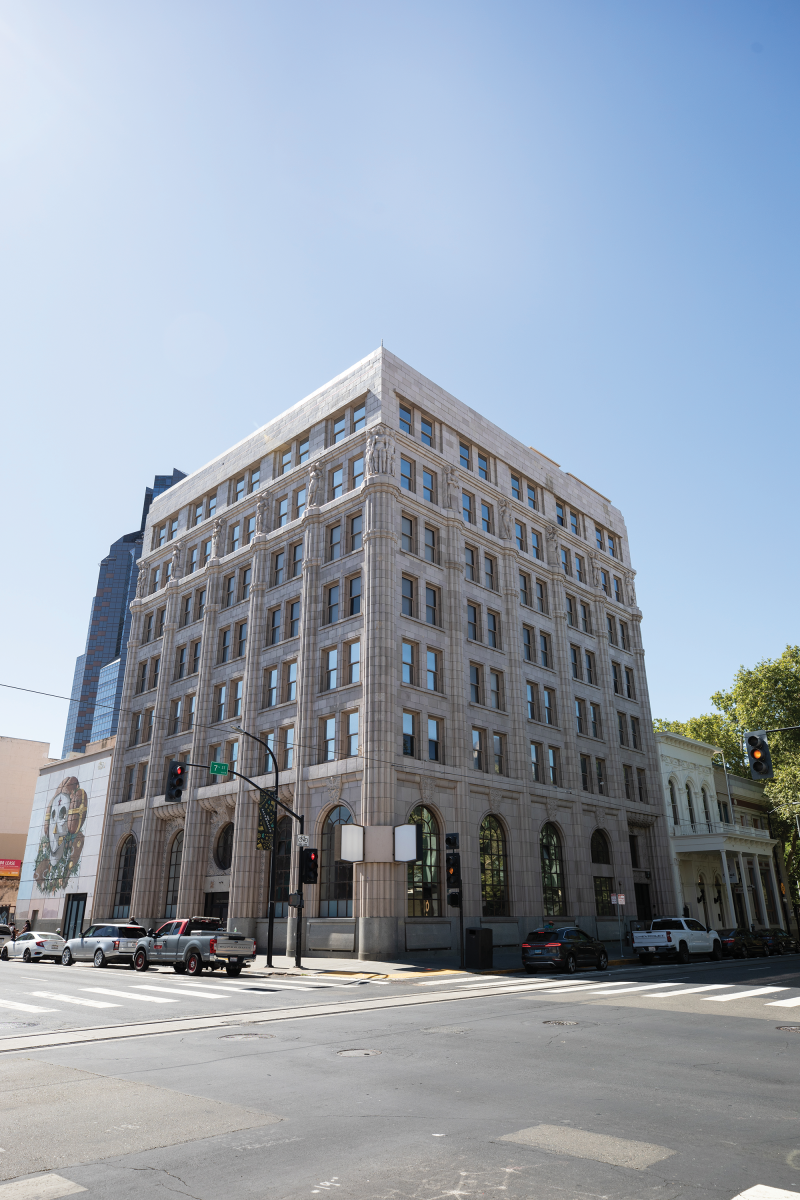
Developer Roger Hume is renovating the former Capital National
Bank building on J Street, built in 1915, into an exclusive
boutique hotel. (Photo by Robin Douglas)
“So it’s kind of the ‘if you build, they will come’ idea,” he continues. Sacramento already has the convention center space needed to attract larger events, Gerrese says, but lacks the hotel inventory to support them. But additional rooms will be critical if Sacramento hopes to compete for larger conventions and events in the future.
That strain becomes most visible during major events like Aftershock, as local hotels reach peak capacity and demand spills into surrounding cities. “Downtown is the economic engine,” he explains. “Then it starts to spread out to Arden-Arcade, Natomas, Elk Grove and Roseville. It’s like an onion — each layer gets busier and busier.”
But despite limited supply growth, hotel performance has strengthened significantly, reflected in rising tax revenue. “The hotel occupancy tax has increased by 38 percent, and I think it’s close to $40 or $42 million a year,” he says. “That’s a staggering number.”
Visit Sacramento officials say those revenues have helped fund renovations to the SAFE Credit Union Performing Arts Center, improvements in Old Sacramento and modernization of the Sacramento Memorial Auditorium.
One hospitality project that is moving forward is Hotel Eleanor, a 95-room adaptive reuse project at 7th and J streets that is less about filling the gap and more about adding a little glamour to the landscape. Developer Roger Hume says he plans to bring a more “elevated experience” to the downtown scene by renovating the former Capital National Bank building built in 1915. Hume says there are two vaults in the building. One will be for a whiskey tasting room and private dining experience and the other vault room will be a hidden speakeasy.
“A nod to a time of style, class and sophistication that’s been missing for so long,” he says. “My passion is taking these historic buildings that are so beautiful, many of which could not be recreated today, and give them a new life for generations to come.”
Hume agrees that a major barrier to building new hotels is construction costs. “Fortunately, the design for Hotel Eleanor already works well for conversion. We already have elevators, fire sprinklers, mechanical, electrical, plumbing. So, all of these systems are already in place.”
Financial incentives from the city would help encourage new development and expand inventory, he adds. “But I should note the city has been very supportive of this project from the beginning, so they do recognize there’s a need.” He’s hopeful to start construction in August or September, with a target opening date of December 2027.
“It’s like anything,” says Hume. “With time and effort, positive things can be done.”
Beyond Sacramento
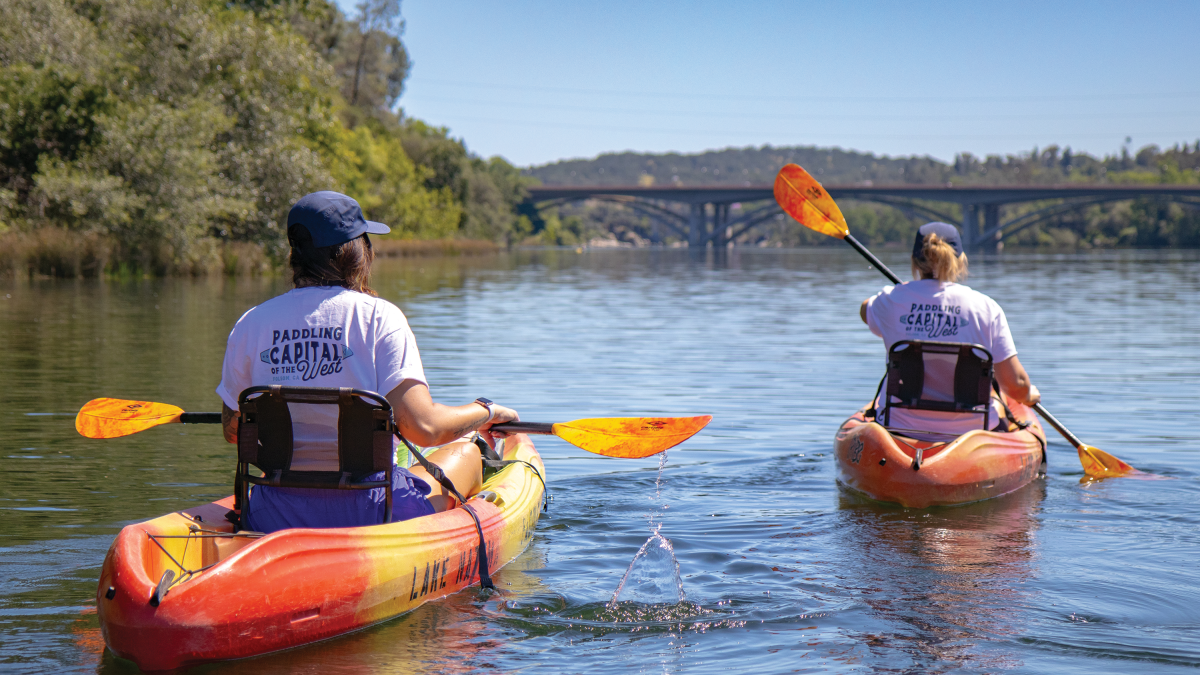
Just 30 minutes up Highway 50 from downtown Sacramento, Folsom is celebrating 80 years of cityhood this year. Anchored by Folsom Lake and Lake Natoma — home to the Sacramento State Aquatic Center — Folsom has increasingly leaned into its identity as an outdoor recreation hub, launching its “Paddling Capital of the West” campaign to highlight a range of on-the-water recreation available.
You can rent kayaks and paddleboards at Black Miners Bar and
enjoy the views and cool waters of Lake Natoma. (Photo courtesy
of Choose Folsom)
At the same time, the city is positioning itself as a year-round base camp for visitors exploring the surrounding Gold Country region. “Most of our itineraries include attractions and experiences you can have within 45 minutes of Folsom and of course, Folsom itself,” says Jody Franklin, tourism and travel trade director for Choose Folsom.
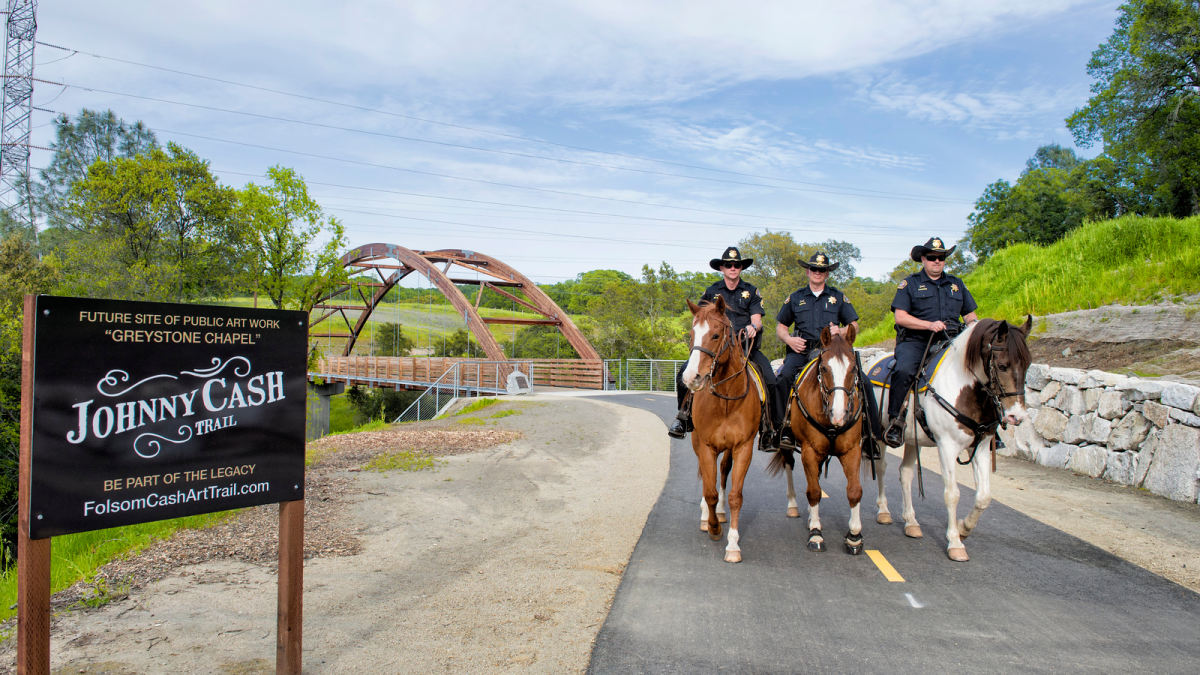
The city of more than 95,000 residents boasts more than 60 miles of trails, including the 2.5-mile Johnny Cash Trail honoring the legendary musician and his 1968 concert at Folsom Prison, marked by a 7-foot-tall black bronze guitar pick art installation at a trailhead.
Mounted officers travel the Johnny Cash Trail in Folsom, a
2.5-mile route honoring the musician and his famous 1968 concert
at Folsom Prison.
Its events calendar runs the gamut from arts and culture like the NorCal Short Film Festival in February, to sports and athletic competitions like the American River 50 Mile Endurance Run in April and the Folsom Pro Rodeo in July — the city’s largest annual event, which drew 22,000 attendees last year.
Visitors coming from downtown can also catch the SacRT Gold Line light rail at the Sacramento Valley Station at 4th and J streets and ride all the way into Folsom’s Historic District to explore Sutter Street or catch the farmers market every Saturday.
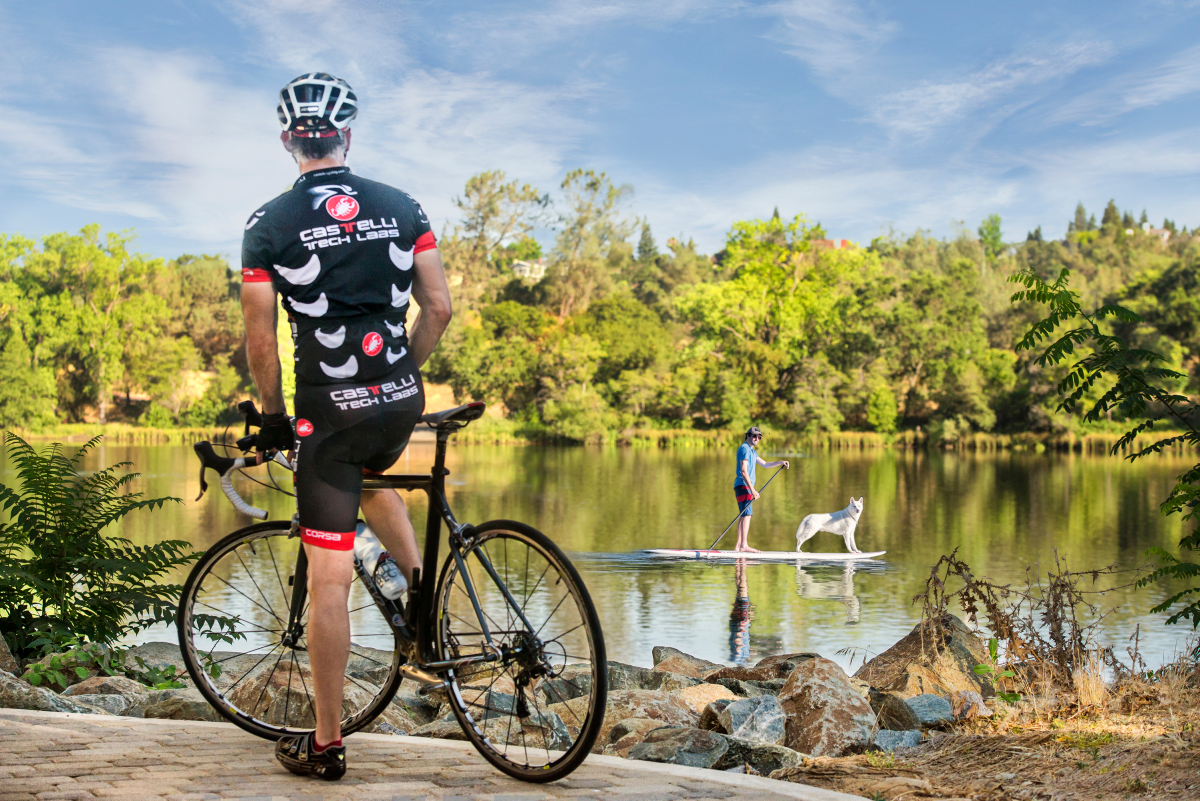
The Sacramento area is home to a wide network of bicycle trails
that draw cyclists from around the state.
With nine hotels, including the recently opened AC Hotel Sacramento Folsom, the room inventory fills up quickly during major events like the California International Marathon, a significant economic driver for the city.
To the southwest, Clarksburg showcases another side of the region’s tourist economy — one rooted in agriculture, wine and the farm-to-fork identity that defines much of the Sacramento Valley.
Bogle Winery, established in 1968, is the oldest winery in
Clarksburg. (Photo courtesy of Bogle Family Vineyards)

Just 20 minutes from downtown Sacramento, Clarksburg is a small, unincorporated farming town and an American Viticultural Area. “That means we are designated by the federal government as a specific wine-producing region,” says Phil Ogilvie, owner and CEO of Silt Wine Company, who unofficially supports visitor outreach and marketing for Clarksburg.
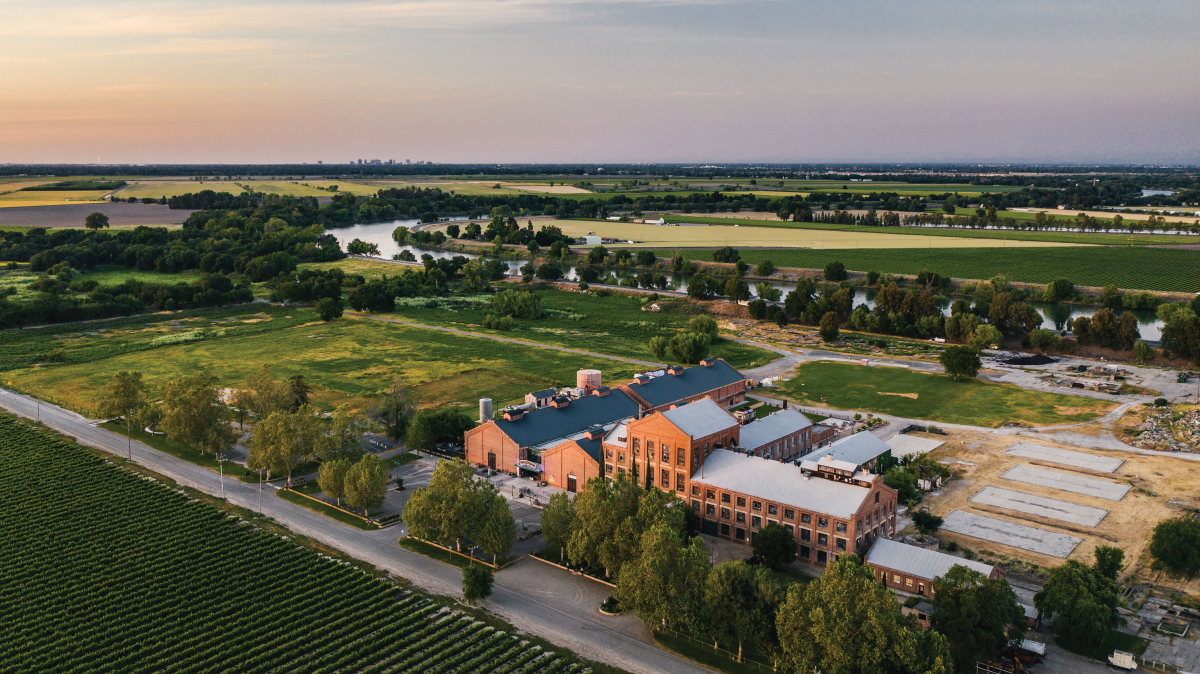
The Old Sugar Mill houses 14 wineries, but visitors can travel to a handful of multigenerational estate wineries, including Heringer Estates, Bogle Family Vineyards and Grand Island Vineyards. “The Old Sugar Mill is the welcome mat for Clarksburg,” says Ogilvie. “They’re doing great things.”
The Old Sugar Mill in Clarksburg houses 14 wineries, including
Carvalho Family Winery, Elevation Ten, Draconis and others.
(Photo courtesy of Enjoy Clarksburg)
“Every wine region is competing to attract visitors, but we’ve never believed success comes from trying to be like somewhere else,” said Jody Bogle, a third-generation winegrower at Bogle Family Vineyards. “Our focus has always been on celebrating what makes Clarksburg special. From our acoustic country music series and Earth Day vineyard dinners to holiday celebrations and local food fairs, every experience is designed to showcase the character of our farming community.”
Ogilvie, whose winery recently won California’s Golden Bear Winery of the Year at the 2026 California State Fair Commercial Wine Competition, notes the region has been growing wine grapes and producing wine since the late 1960s. “We farm about 1,500 acres,” he adds. But the town’s agricultural roots run deep. A fourth-generation farmer, he recalls moving rain pipes through fields of tomatoes and sugar beets growing up. “When I was a kid, wine grapes were about one-third or a quarter of everything we grew.”
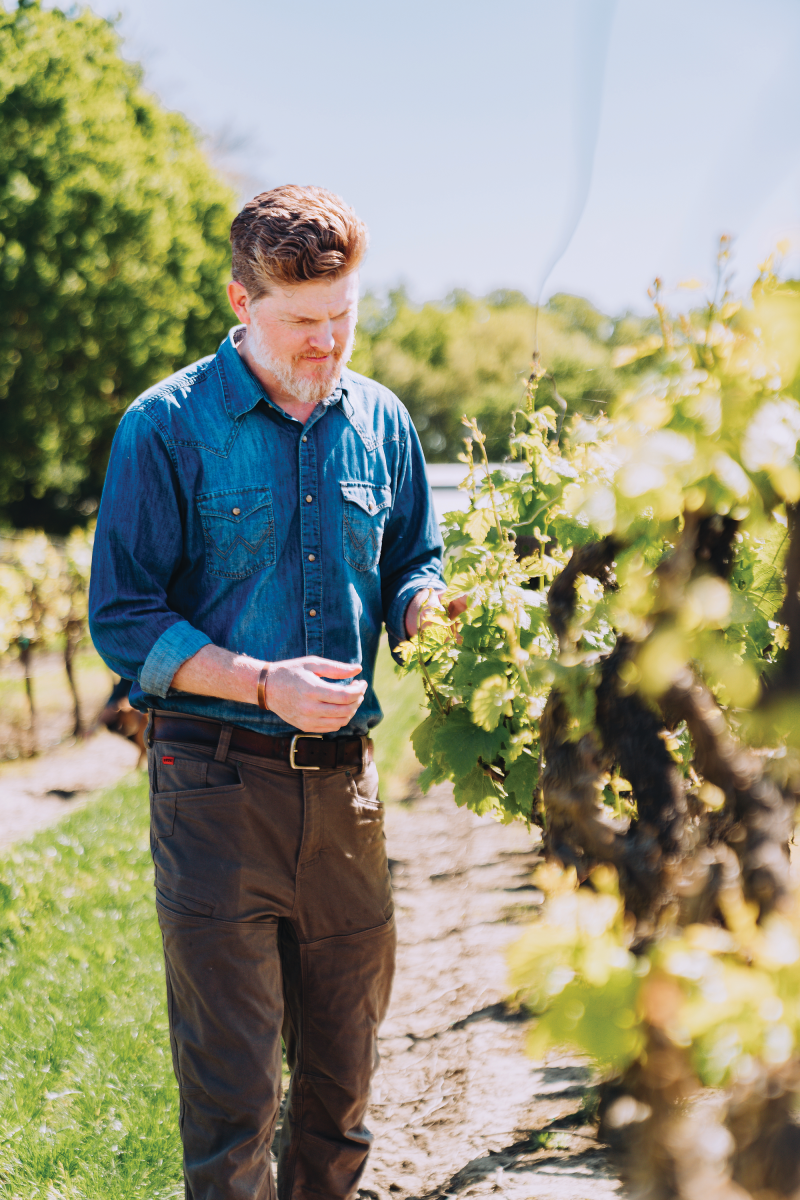
Phil Ogilvie, owner and CEO of Silt Wine Company, is the official
tourism promoter of Clarksburg. (Photo courtesy of Silt Wine
Company)
Strategic partnerships with regional events have helped boost Clarksburg’s profile. Ironman California, which passes directly through the town along Babel Slough Road, caught local wineries off guard the first year when road closures hindered access to their tasting rooms. Now the race has become a draw, with Ogilvie’s winery serving as a designated watch party for the event. “People come from all over the country,” he says. “They watch from our grounds and stand up next to the levee, and we bring out a band. It’s just a fun experience. Last year we had about 700 visitors throughout the day.”
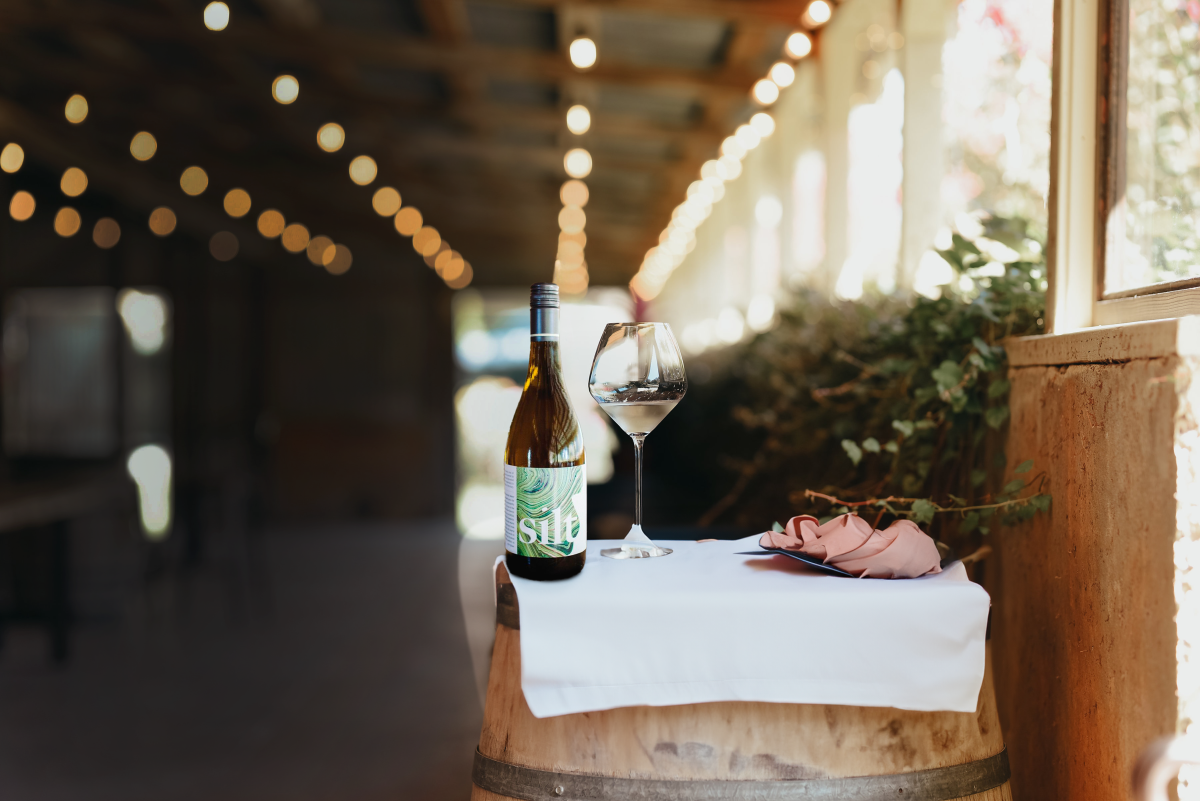
Silt Winery, one of the newer wineries in Clarksburg, was named
Golden State Winery of the Year in 2026. (Photo courtesy of Silt
Wine Company)
They also participate in the Farm-to-Fork Festival, Tower Bridge Dinner and Legends of Wine at the Capitol, an event that kicks off the city’s Farm-to-Fork Month celebrations in September.
That agricultural heritage remains central to Clarksburg’s identity and to the experience they hope visitors will take home. “I like to say that Clarksburg is where Napa was 50 years ago,” says Ogilvie. “So, you can be enjoying a wine tasting, and in walks the owner, the winemaker and the farmer, and you’re seeing a tractor drive by. We really value that authentic experience.”
How tourism benefits local residents
“I always say that tourism isn’t about the tourist; it’s about making things better for the people who work and live here,” says Testa.
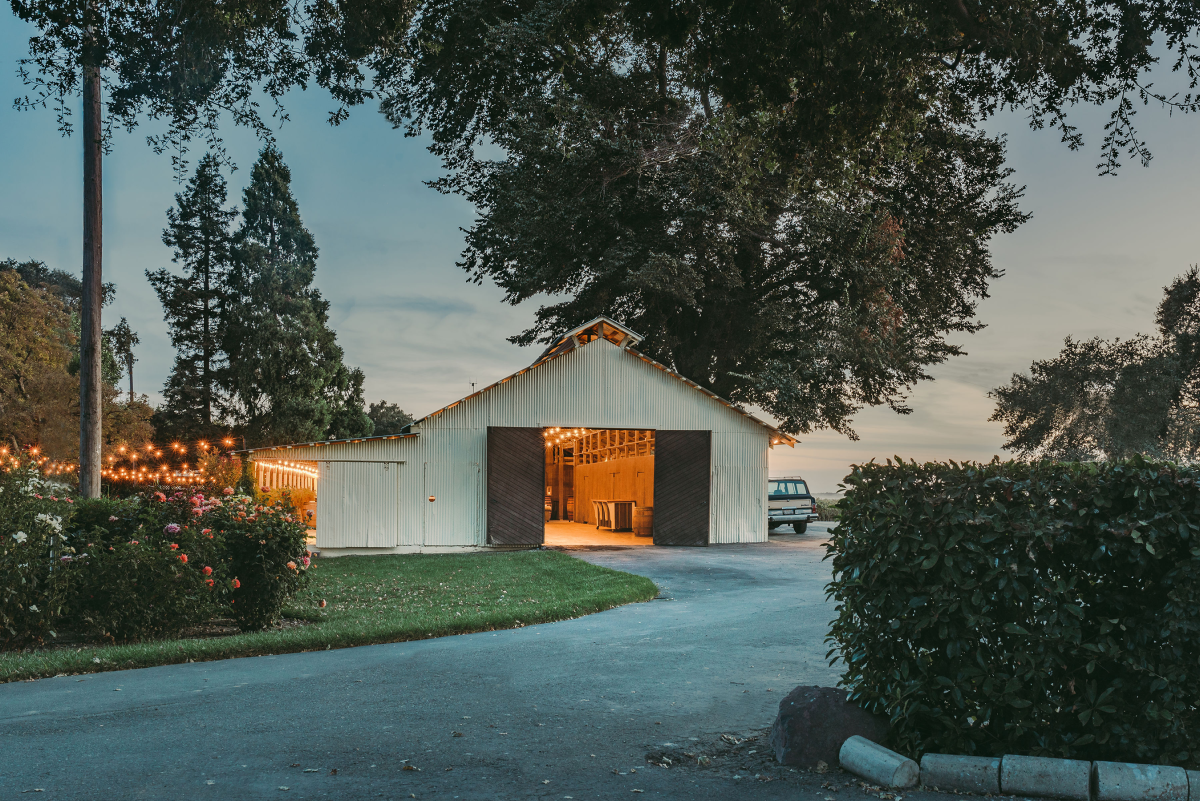
Silt Wine Company in Clarksburg offers space for events amid the
vineyards of the Sacramento region’s historic wine country.
More than 15 million people visit Sacramento each year, he explains, and those tourism dollars help keep local businesses afloat and help generate critical employment.
“In the longer term, tourism is the catalyst that drives growth in a city,” Testa says. “When Sacramento becomes known nationally for live events, sports, and a strong dining scene, it begins to attract further investment and evolution that extends beyond tourism itself.”
–
Stay up to date on business in the Capital Region: Subscribe to the Comstock’s newsletter today.
Recommended For You

America’s Most Spectacular Train Ride Goes to Sacramento
The California Zephyr crosses the Rockies, deserts and Sierra Nevada on one of the world's great rail journeys
Amtrak’s 2,438-mile California Zephyr route is one of the
greatest train journeys in North America — and for Capital
Region residents, it can begin or end right in downtown
Sacramento.
The Hidden History Behind Sacramento’s Most Controversial Gold Rush Place Name
Historians are trying to keep the story of Black gold miners in Folsom alive
Most visitors come for the water. Few realize they’re standing on the site of a forgotten Gold Rush town built by Black miners.
The Sheraton Grand Undergoes a $35 Million Renovation That Honors Its Roots
Famed architect Julia Morgan originally designed the space as the Sacramento Public Market
More than 100 years after Sacramento’s Public Market Building opened, the Sheraton Grand hotel that now occupies it is paying homage to the market designed by famed architect Julia Morgan.
This Valentine’s, Fall in Love With an Underrated California Wine Destination
Out of Office: Just 45 minutes from Sacramento, it’s an easy Valentine’s Day getaway
There’s nothing better than the stillness of a pastoral view as you sink into your chair and breathe the fresh Sierra Nevada foothills air, a glass of wine in one hand and the other interlaced with your Valentine’s.
Sacramento’s Waterfront Beckons Paranormal Tourists
Exploring the dark history of Old Sacramento
Paranormal tourism has been a steady draw for Sacramento’s waterfront over the years, and October is peak season for businesses that capitalize on the spooky atmosphere.
With Slow Food Festival, Sacramento Hopes to Enter New Era as a Food Destination City
Terra Madre Americas may help put Sacramento on the culinary tourism map
A big international food festival inspired by the slow food movement debuts in downtown Sacramento this month. The event may help make the city a culinary destination — as it did for a relatively sleepy city in Italy three decades ago.
Can Sacramento Become a Tourist Destination?
Or will travelers always see it as a pit stop?
Often described by its proximity to other places, Sacramento actually sees significant traffic each year from out-of-town visitors. Here’s what draws them — and how the city is hoping to attract more.