


This story is part of our April 2026 issue. To read the print version, click here.
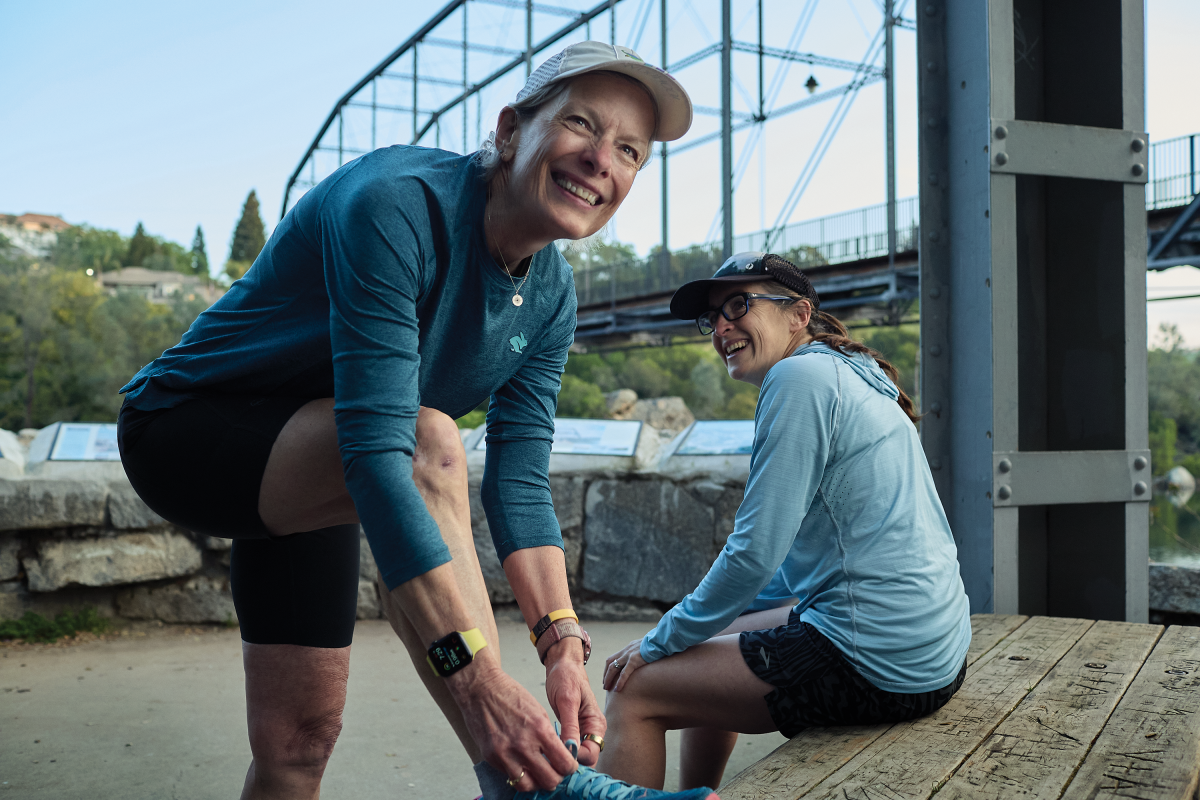
For 71-year-old Patty Vander Dussen, aging well required resilience she never expected to need.
A lifelong athlete, she took up running in her late 50s and completed marathons, ultra-distance races and trail runs before discovering she had serious heart issues. In her 60s, she underwent cryoablation for atrial fibrillation, and at 70, open heart surgery to correct severe aortic stenosis.
“That was the hardest and most painful thing I have ever been through,” she says. “I went from running every day to barely walking five minutes around my house.”
Her recovery included monitored cardiac rehab, mental health support and peer connection at Marshall Medical’s Pritikin Intensive Cardiac Rehab in Placerville, where a small cohort of fellow heart patients trained beside her on treadmills and shared the same fears about returning to the lives they loved. The structured routine and camaraderie helped restore her stamina and her confidence. “It saved me mentally, emotionally and physically,” she says.
Related: The New Age of Aging: Developers in the Capital Region are building new models of senior housing — in preparation for the ‘silver tsunami’ to come
Six months later, Vander Dussen completed the Gold Country Run in El Dorado Hills. Today, she is back on her local trails alongside familiar faces, motivated by her children and grandchildren. “As you get older, I tell people, use it or lose it,” she says. “It’s important to keep moving and keep pushing to get stronger — for me and for my family.”
Patty’s journey reflects a shift in how we define healthy aging. Longevity is no longer measured solely by medical and numerical milestones, but by resilience, purposeful movement and meaningful connections. Decades of research reinforce this insight, showing that the strongest predictors of aging well often have less to do with medical interventions and more to do with staying active, maintaining autonomy and nurturing social connections.
One of the longest-running studies in American history — the Harvard Study of Adult Development — has followed participants for more than 80 years and found that strong, supportive relationships lead to longer, better lives. Social ties to family, friends and community outperform wealth, fame and even genetics when it comes to long-term health and fulfillment.
That insight reflects a broader reframing in the science and culture of aging. The question is no longer simply how long we live, but how well.
The brain-body connection
Rachel Whitmer, professor of public health sciences and neurology at UC Davis and co-director of its Alzheimer’s Disease Research Center, has spent her career studying brain aging, Alzheimer’s risk and what she calls exceptional aging.
Since 2018, she has co-led the LifeAfter90 Study with Paola Gilsanz at Kaiser Permanente, following more than 1,300 adults in their 90s and beyond from diverse backgrounds. The participants offer striking glimpses of exceptional aging: among them are 92-year-old Lucie Smith, who still teaches online, and Tony Francis, now 98, who celebrated his 97th birthday surrounded by nearly 100 family and friends.
Whitmer distinguishes between length of life and quality of life. “What’s the point of living longer if the quality of life is so poor?” she asks. “We think not just about lifespan, but healthspan, where you’re not just alive, but active, connected and cognitively sharp.”
Related: What Is Senior Cohousing, and Why Is It So Popular? | Opinion
Her research points to several predictors of healthy aging: lifelong cardiovascular health and physical activity, along with social engagement, which repeatedly shows up as a key correlate of better brain health. She notes that connection is a biological necessity. “Being socially engaged draws on so many aspects of brain and body functioning — movement, communication and emotional regulation — that it functions like a whole-body intervention.”
She also emphasizes that it’s never too late to benefit from healthy behaviors. “People sometimes think if they haven’t done everything right earlier in life, it’s too late. That’s a myth,” she says. “You can improve your brain health at any age.”
Rethinking aging in everyday life
Julie Bates, a social gerontologist and assistant director of the Agency on Aging Area 4 in Sacramento, says fear-based narratives about aging are deeply embedded in American culture.
“Aging does not automatically mean decrepit,” she says. “Dementia is not a normal part of aging, and most older adults never end up in a nursing facility. Yet culturally, we’ve been conditioned to equate aging with decline.”
That perception is slowly shifting. Today’s workforce spans five generations, and retirement can stretch for several decades. “We now celebrate people living 30 to 40 years after retirement. And most are doing it well with hobbies, travel, learning, volunteering and community engagement. We don’t all have to be marathon runners,” she says. “Find what brings you joy and do it with others.”
Not all lessons in healthy aging come from labs and clinics. Sometimes they come from lived experience.
For Jim Bohon, a 74-year-old Navy veteran and longtime community volunteer, aging well has been intentional.
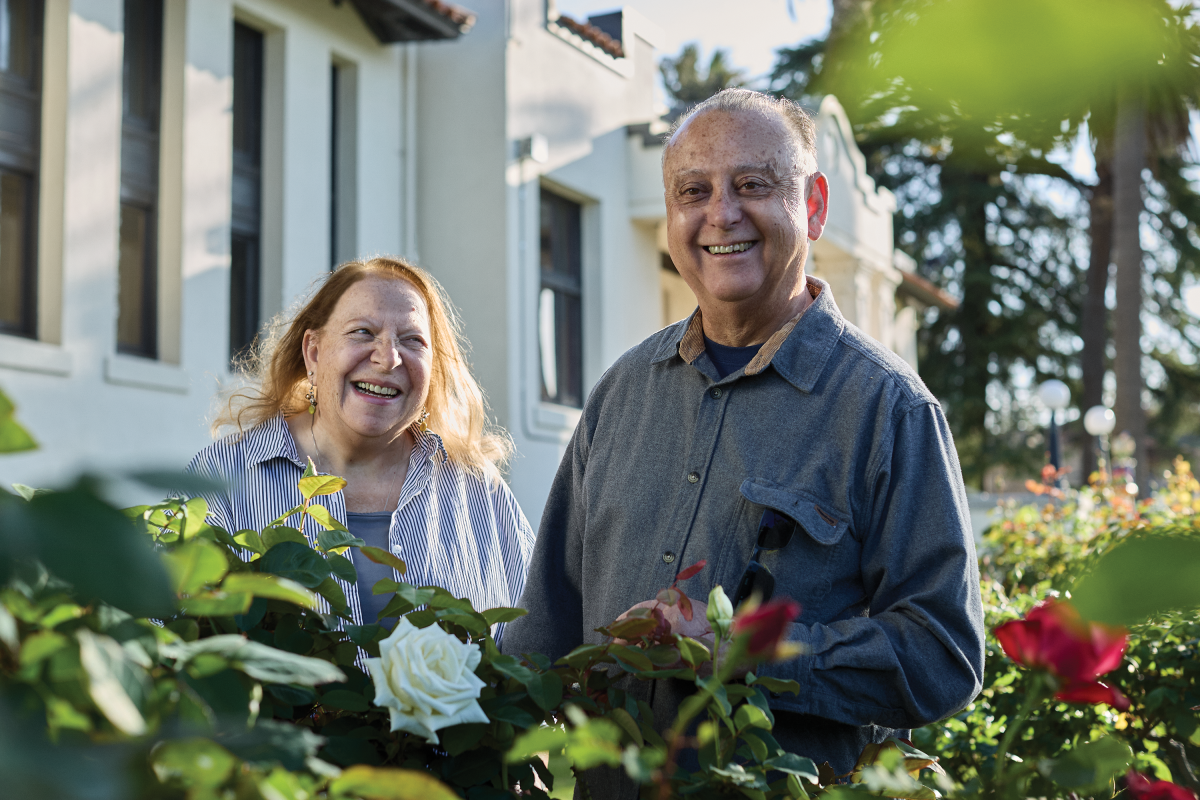
Jim Bohon used to think 60 was “ancient,” but now the 74-year-old
Navy veteran serves on aging councils and advocates for seniors.
He enjoys traveling with his wife Edna. (Photo by Tyrel Tesch)
“When I was younger, 60 seemed ancient,” he says. “Now I’m in my mid-70s, and I realize life doesn’t end. It transforms.”
After retiring from government service and running small businesses, Bohon has stayed engaged. He serves on the Advisory Council for the Agency on Aging Area 4 and helps lead legislative efforts through the California Senior Legislature, advocating for housing, caregiving support and financial stability for older adults.
Family history has also shaped his vigilance about his cardiovascular health. Several male relatives died of heart attacks in their 60s, so when Bohon experienced shortness of breath, he sought care and began cholesterol treatment.
“My thoughts on aging well today are completely different than they were when I was younger,” he says. For Bohon it means doing the things he loves, like traveling with his wife, Edna, engaging in civic work and maintaining close connections with family and colleagues. He believes the key is to stay active, engaged and curious.
“If you isolate, it affects every part of your life. But when you stay involved and are physically active and mentally engaged, it motivates you to keep going,” he says.
Insights from the clinic
In the clinical world, healthy aging is becoming more intentional as well. Nicole Lamm, executive director of specialty nursing services at Marshall Medical in El Dorado County, oversees the implementation of the Age-Friendly Health Systems initiative, a national effort built around four evidence-based priorities known as the 4Ms: What Matters, Medications, Mentation and Mobility.
“It started because people are living longer,” she explains. “But as you age, health care becomes more complex, not just inside hospitals, but in everyday life, from grocery stores to transportation. By 2030, nearly a quarter of our population will be 65 or older, increasing the complexity of the services we provide.”
The 4M framework gives patients more autonomy to direct their personal health care. Instead of defaulting to aggressive intervention, clinicians are encouraged to align care with individual goals.
“If we focus on what matters for each individual, we provide the right care to the right person,” Lamm says. “It’s not just about living longer, it’s about maintaining a higher level of function and quality of life.”
“As we live longer, the real challenge and opportunity is not just adding years to your life, but adding life to your years. That’s the future of aging well.”
—Nicole Lamm, executive director of specialty nursing services, Marshall Medical
Working alongside Lamm is Lacey Neufeld, a doctor of nursing practice and family nurse practitioner whose career spans critical care and end-of-life planning. Her doctoral research explored what patients wish they had known before undergoing aggressive treatments, such as dialysis or prolonged ICU care.
In practice, that conversation often begins with questions.
“One of the most important things we can do is provide education first and choices second,” Neufeld explains. “Every intervention comes with risk. Most medications have side effects. So, we ask: What is your goal? Do you live alone? Are you active? How often do you engage with other people? Where are you going each week, and how are you getting there?”
Related: When the Sun Sets on the Golden Years: The hardship and high cost of caring for a loved one in decline
These questions reflect mounting evidence that connection can rival cutting-edge interventions. Neufeld describes the physiology behind it: chronic stress elevates cortisol, increasing blood pressure, blood sugar and heart rate, all of which contribute to long-term disease risk. Strong relationships and a positive mindset help blunt that stress response.
“We see this across cultures,” she says. “There are different diets and routines, but the one constant is community and engagement.”
She also points to identity as one of the most overlooked aspects of aging. Many people define themselves by roles like provider, athlete, caregiver and professional that can be abruptly stripped away by illness. When a stroke or heart attack disrupts that role, the psychological fallout can accelerate decline.
“How can you identify yourself in a way that can’t be taken away?” she asks. “I’m generous. I’m curious. I’m resilient. Those are qualities you can carry into any stage of life.”
A tech-enabled approach
While clinicians like Lamm and Neufeld focus on aligning care with individual goals and fostering connection, some innovators are taking a data-driven approach to make healthy aging actionable every day.
Tyler Smith, founder and CEO of Hundred Health, believes the future of healthy aging lies in connected, personalized and actionable data.
His interest in longevity became personal after a biological age test revealed his body was older than his chronological years, a concern given the impending arrival of his first child and his father’s early heart attack.
“I thought I was healthy,” he says. “But I realized I didn’t fully understand my own data.”
When he couldn’t find what he was looking for, he built a platform that integrates medical records, wearable data, lab results and evidence-based recommendations into a personalized 100-day action plan. Rather than dumps of confusing data, the app translates complex biomarkers into simple, daily actions like what to eat, how to move and how to track progress. Healthy aging, he argues, is less about longevity alone than about performance over time.
Related: Take Care: Proper planning makes all the difference for caregivers
“It’s about extending the years you can function at your best with energy, clarity, recovery and resilience. We call it achieving your personal GHOAT — greatest health of all time — and that’s different for everyone.”
The platform emphasizes that while genetics sets a baseline, habits determine the expression. Through personalized protocols, members adjust behaviors around nutrition, sleep, stress and exercise. As milestones are reached, new goals are introduced. “We take cutting-edge data and translate it into daily action that people can actually follow,” he says. Launched in December 2025, Hundred now serves more than 5,000 members.
Across science, medicine and daily life, a consistent message emerges: Healthy aging is not a condition to treat, but a way of life.
Lamm reflects this sentiment best: “In the end, we’re humans taking care of other humans. It’s about the joy that comes through connection. As we live longer, the real challenge and opportunity is not just adding years to your life, but adding life to your years. That’s the future of aging well.”
–
Stay up to date on business in the Capital Region: Subscribe to the Comstock’s newsletter today.
Recommended For You
The New Age of Aging
Developers in the Capital Region are building new models of senior housing — in preparation for the ‘silver tsunami’ to come
As aging baby boomers approach their golden years, new senior living projects are springing up to accommodate to increased demand and offering a new take on “aging with grace.”
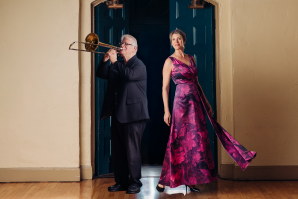
Sheri Peifer Is Building Communities Where Aging Comes With Purpose
Women in Leadership 2026: Meet the Eskaton CEO focused on creating connection and dignity in senior living
Leading Northern California’s largest nonprofit senior living provider, Sheri Peifer is helping reshape how communities support older adults.
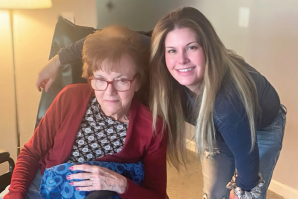
When the Sun Sets on the Golden Years
The hardship and high cost of caring for a loved one in decline
For eight weeks in the summer of 2023, Laurie Watkins took leave from work to be her mother’s live-in caregiver. She had joined what is often referred to as the sandwich generation — those who are caring for both their children and their aging parents.
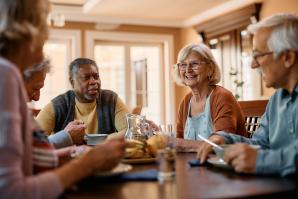
What Is Senior Cohousing, and Why Is It So Popular? | Opinion
About the Danish senior housing model that's making inroads in Sacramento
Denmark has built 7,000 senior cohousing homes so far, and they’re preparing to build many thousands more. It’s time to get a senior cohousing built in Sacramento — it’s doable, it’s necessary, and it’s a heck of a lot more fun than being alone in your home.