


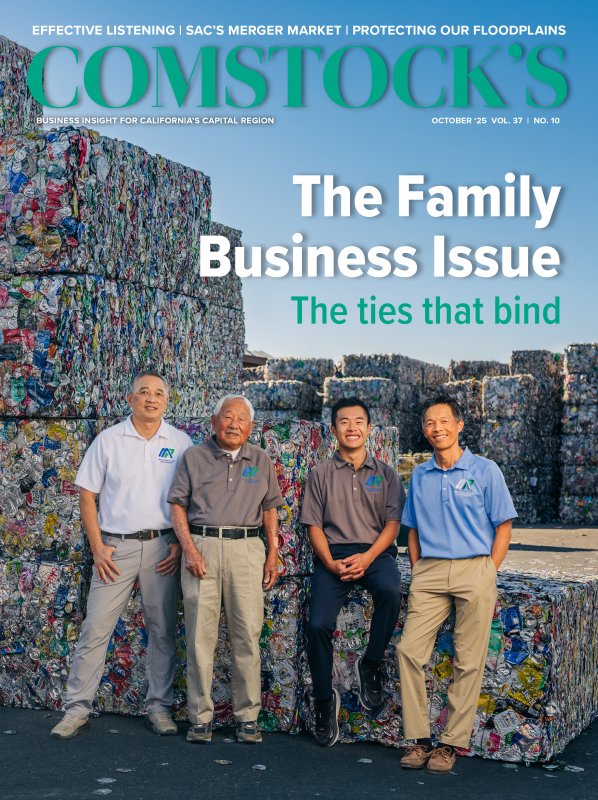
From recycling to winemaking, we’re spotlighting six multigenerational businesses with roots in the Capital Region. Read it early on your computer, phone or tablet.
It’s often said taking a trip can give you a new perspective on things. I recently found that to be true in my work life. I just spent a week in Washington, D.C., attending a National Press Foundation fellowship on local small business reporting. What I learned is that the Capital Region’s problems are not unique; small and mid-size cities around the U.S. are experiencing much of the same challenges and problems that we have here.
First, some quick facts I learned from the government affairs director for the Small Business Majority that surprised me: 99.9 percent of all businesses in America are small businesses. Eighty percent of businesses employ fewer than 10 employees. We hear more about the big corporations, but it’s the little guys that employ our country. Small business is the most respected major entity and is five times more respected than big business.
According to Dennis Shea, former U.S. ambassador to the World Trade Organization, tariffs and immigration are the two top concerns of small business. (Eighty-four percent of small businesses are concerned about tariffs.) The tariff situation is holding businesses back from spending, not knowing what goods will cost in any given month.
“Businesses have developed supply chains over years, and it’s not easy depending on what it is your small business does. If it relies on a number of different components to make their product, it takes a while to get a secure supply chain,” said former U.S. Commerce Trade Undersecretary Francisco Sanchez, who spoke at the conference.
Immigration is the second biggest concern with employers, fearing they won’t have enough workers for their workforce. The bright spot is that 21 million new businesses have formed since the pandemic.
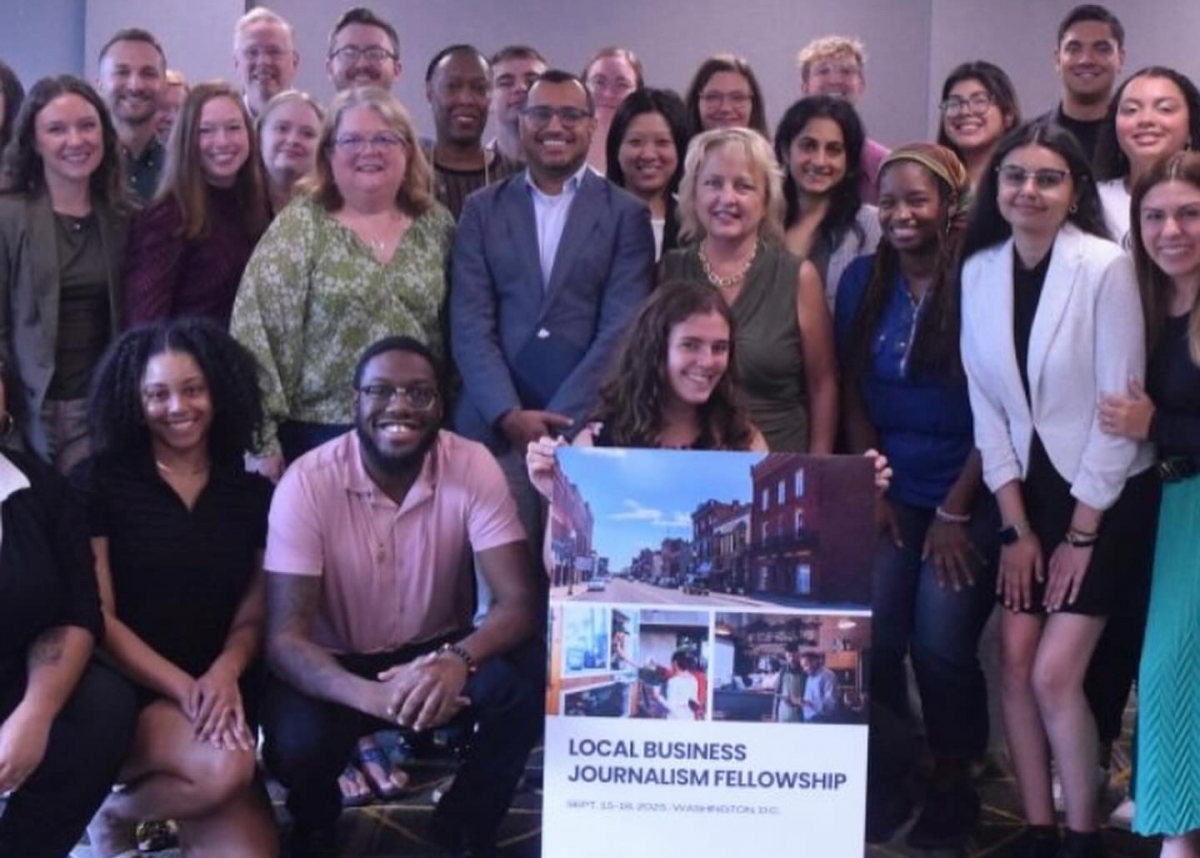
The fellowship was like going back to school. The 35 fellows, who represented 35 different newsrooms and cities around the country, sat at desks listening to a variety of speakers for four days, 8 a.m. to 5 p.m. We heard from representatives from the U.S. Chamber of Commerce, the World Trade Organization, Wharton School of Business, Small Business Majority and many more.
A trio of speakers from the Downtown D.C. Business Improvement District talked about the role of tourism in downtown business development. They’re trying to regain their downtown population that vanished during COVID. Sound familiar? See my full editorial for more on what I learned.
In other news, fall is upon us (thank you, rain), and our Family Business issue is out! Besides the six colorful businesses featured, October’s magazine also explores paranormal hotspots to visit this spooky season, a new crop of tiki bars and some more sobering topics like saving wildlife on our floodplains and how to communicate with disparate team members at work. Read it here.
– Judy Farah, editor
Other stories you may have missed: Star Power and Flashy Hires Are Kicking Off Sacramento State’s Sports Season

Sacramento State’s sports teams have endured many lean years. But the institution, which debuted its original sports — basketball, baseball and tennis — in 1948, has embraced a controversial change.
To Halve or Not to Halve, That Is the Question | Opinion

FROM THE PUBLISHER: Reflections on the perennial question of dividing California.
What a Government Shutdown Will Mean for Californians, From Social Security to National Parks

CalMatters: Social Security and Medicare benefits will keep flowing in a government shutdown, but federal employees will be working without pay and delays likely will occur across many services.
The Big Commitment: On Friendships, Aging and the Sacred Silliness
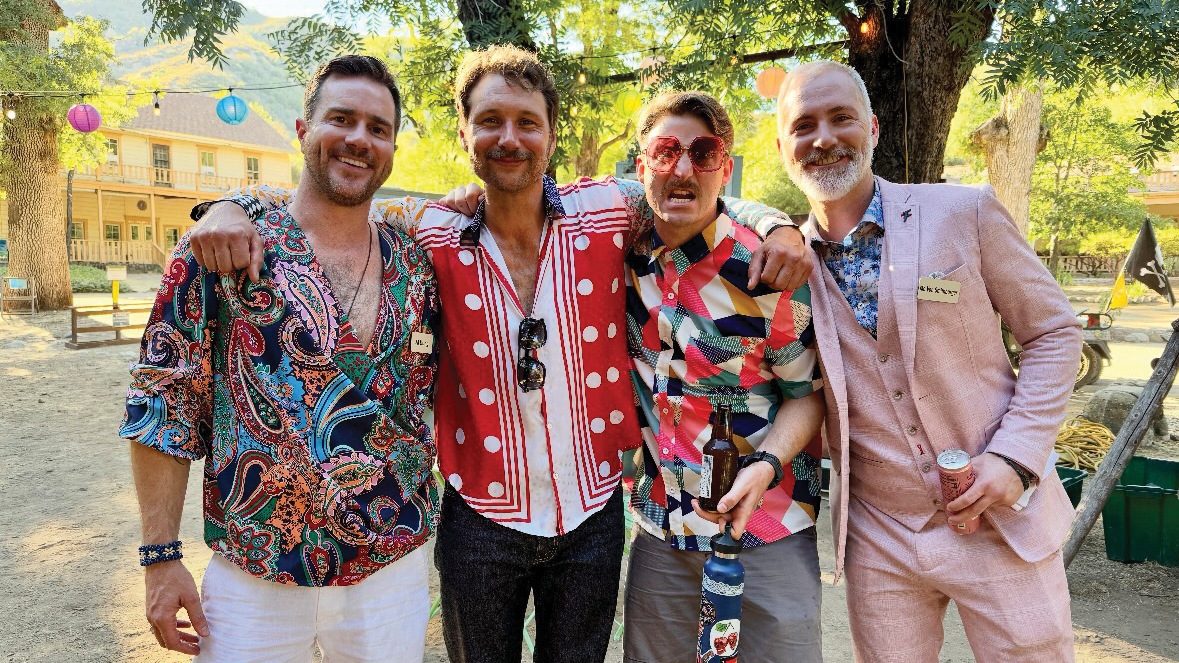
For our Last Word essay column, Comstock’s former associate editor reflects on friendship.
Recommendations From Our Staff
Jennifer: I’m currently reading “One Billion Years to the End of the World” by brothers Arkady and Boris Strugatsky, a slim science fiction novel that’s both hilarious and gives a claustrophobic, absurdist sense of what it might have been like to live under the surveillance of the Soviet Union. It’s kind of amazing how much good and obviously subversive stuff made it through the Soviet censors.
Dakota: As fall descends, I’m rereading “Wuthering Heights” by Emily Brontë. This time around, I know a bit more about the Brontë sisters and am struck by the terror of tuberculosis, the slow and often unnamed killer that afflicts some of the characters in the book and would eventually lead to the demise of the Brontë family (including Emily, who died not long after publishing her only novel at age 30). At least, that’s the official narrative. Some argue that drinking water contaminated by the local graveyard contributed to their deaths, which is a Gothic horror in and of itself.
Odds and Ends
Don’t forget to subscribe to the print magazine to stay up to date on the region’s business trends, and follow us on Instagram, Facebook, X and LinkedIn for daily stories and extras.