


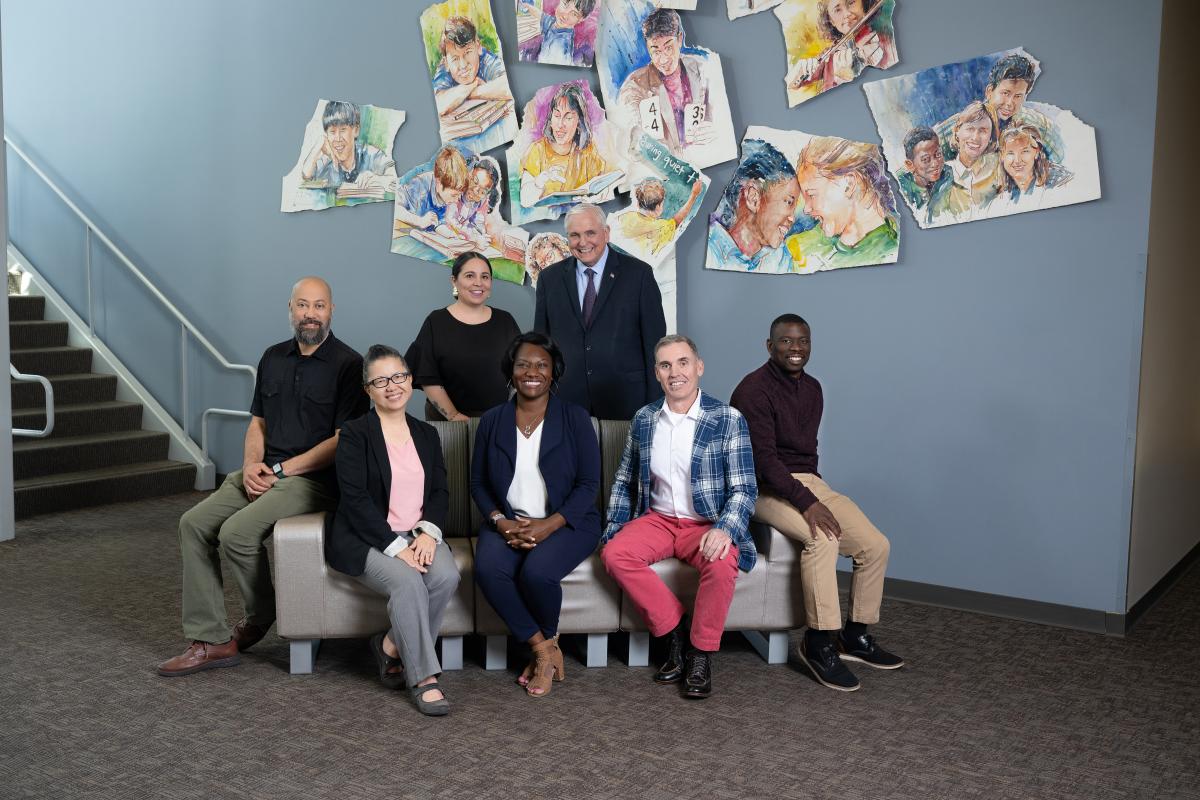
The Sacramento County Office of Education (SCOE) has been building a school-based mental health model since the early 2020s, with expansion in recent years through a deeper partnership with the Sacramento County Department of Health. A partnership with CalHOPE has also brought Social-Emotional Learning (SEL) to public schools, accelerating SCOE’s ability to reach students earlier, before challenges become crises.
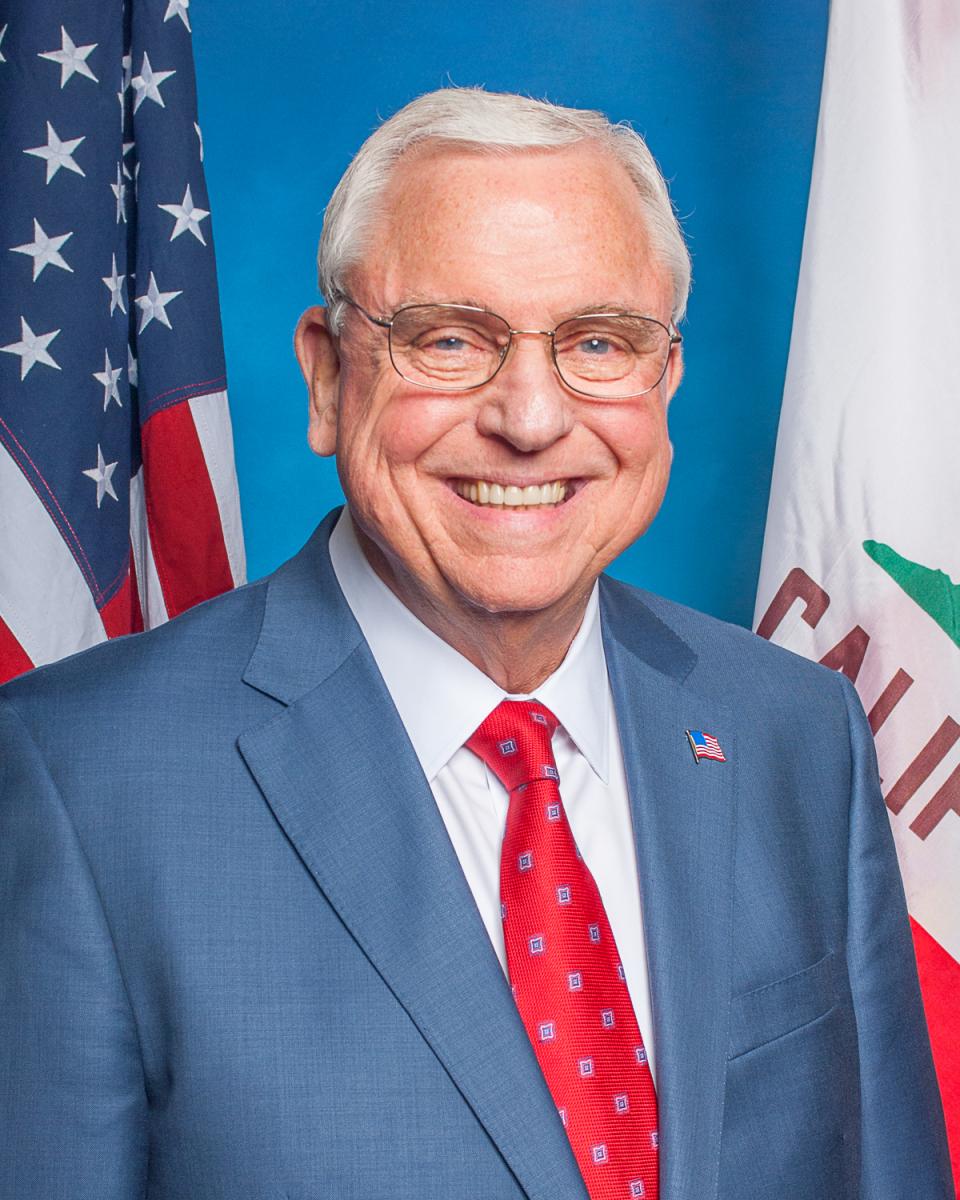
Our clinicians function as an extension of the county’s health system, while schools remain the front door for students. Together, we’ve built a prevention model that is both sustainable and scalable.” — David W. Gordon, Superintendent of Schools, Sacramento County Office of Education
SCOE has been placing mental health clinicians in Sacramento County schools, establishing the School-Based Mental Health and Wellness (SBMHW) program with a goal of transforming all public schools in the county into centers of wellness.
“This program brings care onto campus, removing the biggest barriers: access, stigma and time,” says Associate Superintendent Brent Malicote. “It’s far less costly, financially and humanly, to support a student early than to respond in crisis.”
SCOE also believes Social-Emotional Learning (SEL) is foundational to education and critical to any organization’s climate and culture, and is working to incorporate SEL into everyday policies and procedures, including professional learning opportunities and communities of practice.
“SEL is the foundation of prevention,” says Director Mai Xi. “It provides the protective factors of positive relationships and resilience-building skills, like stress management and emotion regulation. Pairing SEL with on-site clinicians creates a full continuum, from universal support to intensive care.”
Thanks to these programs, improvements such as stronger attendance, fewer behavioral incidents and better student engagement are already apparent.
“Early on, referrals increase — that’s how you know access is working and unmet needs are finally identified,” says Dr. Tabitha Thompson. “As prevention takes hold, those numbers stabilize and decline. That’s not a reduction in work — it’s a sign the strategy is working.”
Thompson notes that with the program’s Family Navigators, 98 out of every 100 referrals receive a response and that the remaining 2% are active cases, not a gap in service.
It’s rare to see two independent systems — education and health — truly operate as one and that’s what makes Sacramento County different. Superintendent David W. Gordon concludes, “Our clinicians function as an extension of the county’s health system, while schools remain the front door for students. Together, we’ve built a prevention model that is both sustainable and scalable.”