


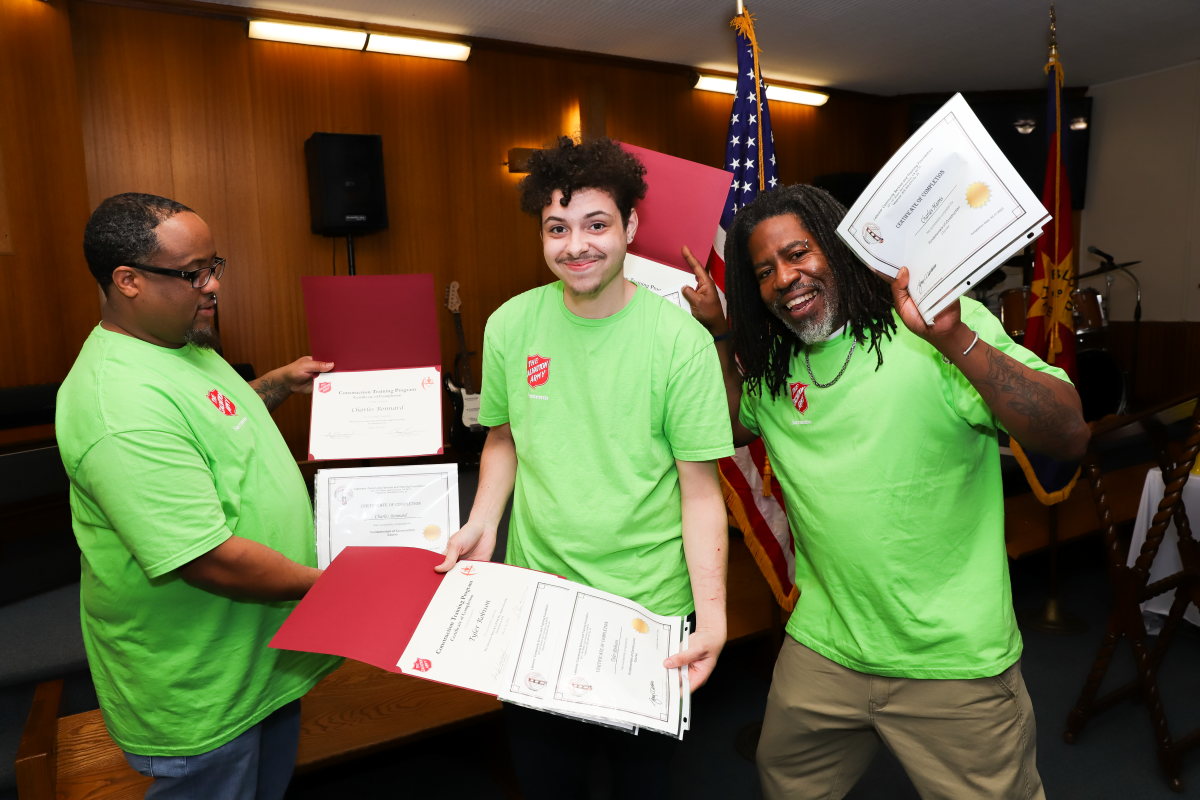


Across Northern California, the Salvation Army’s workforce development programs are quietly transforming lives one apron tied, one tool lifted, one skill learned at a time. In training kitchens and construction workshops, participants begin again — gaining not just job skills, but a second chance.
Serving individuals recovering from homelessness, addiction, incarceration or financial crisis, these programs provide hands-on training, stability and dignity.
“The workforce development program is not just job force training, but it provides a safe and stable place for people to be able to stay and to thrive,” says Major Rio Ray, an officer with the Salvation Army.
By meeting people at a critical crossroads, the Salvation Army focuses on future potential rather than past mistakes. Through mentoring, accountability and wraparound support, participants rebuild confidence and discover purpose alongside practical, in-demand skills.
Transformation is especially visible in the culinary training program, where participants learn food safety, knife skills, catering and customer service while earning industry-recognized certifications.
Brandy, a program graduate, shares, “I graduated the program and stayed clean throughout the whole thing.” That milestone opened doors: “After I graduated, I got the opportunity to have a job here, and I took it. I wasn’t going to let it go.”
Today, Brandy prepares meals daily at the Center of Hope emergency shelter in Sacramento, giving back to others facing hardships she once knew herself.
For instructors like Tony Coz, the mission is deeply personal.
“When all doors would close, the Salvation Army had their arms wide open for me, so I try my best to do that for others,” he says. Beyond technical training, the program builds discipline, teamwork and pride.
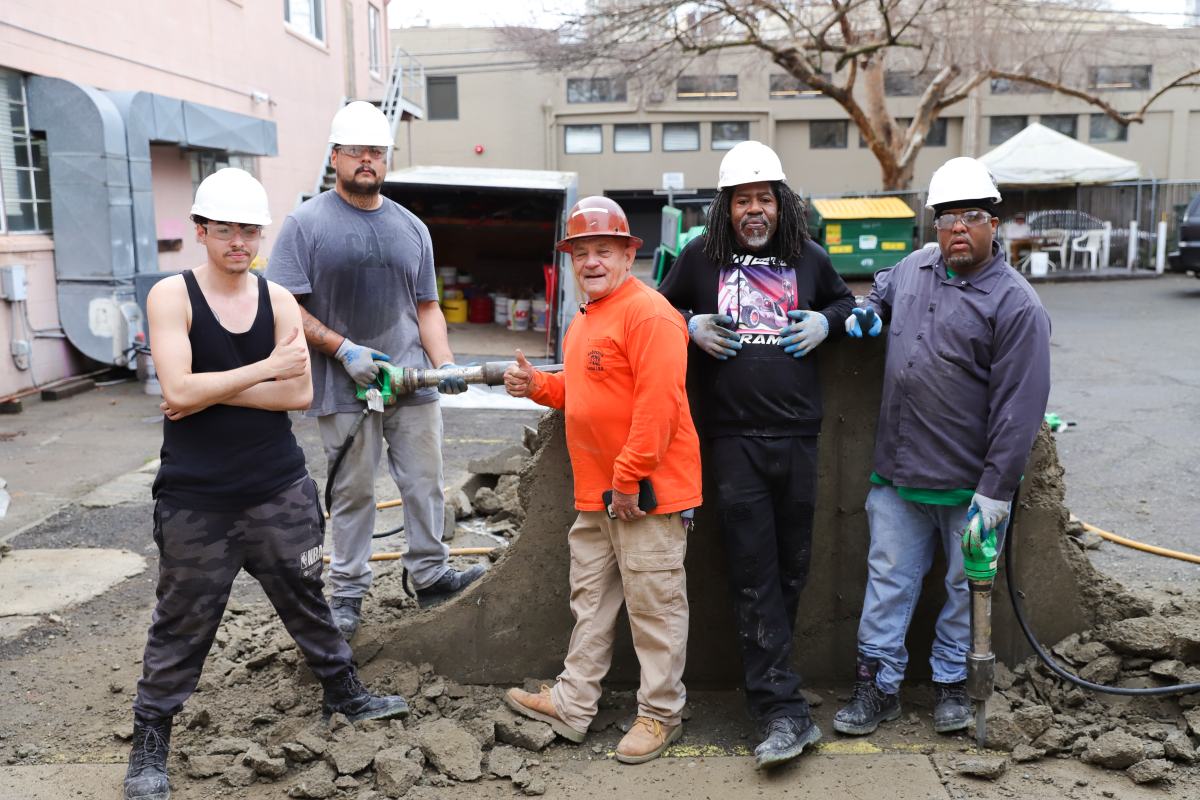
Construction training offers a similar path forward. Participants gain experience in general construction, workplace safety and tool use.
“Everyone needs a second chance,” says instructor Roy Borgersen. “Nobody knows when the seed is going to be planted, but at least they’ll have the tools to go out and do something productive.”
Graduates like Gilberto say the impact goes deeper than employment. “We’re all here for change … to accomplish something in our lives.”
Across Northern California, hope is being rebuilt one skill, one job and one renewed life at a time.