


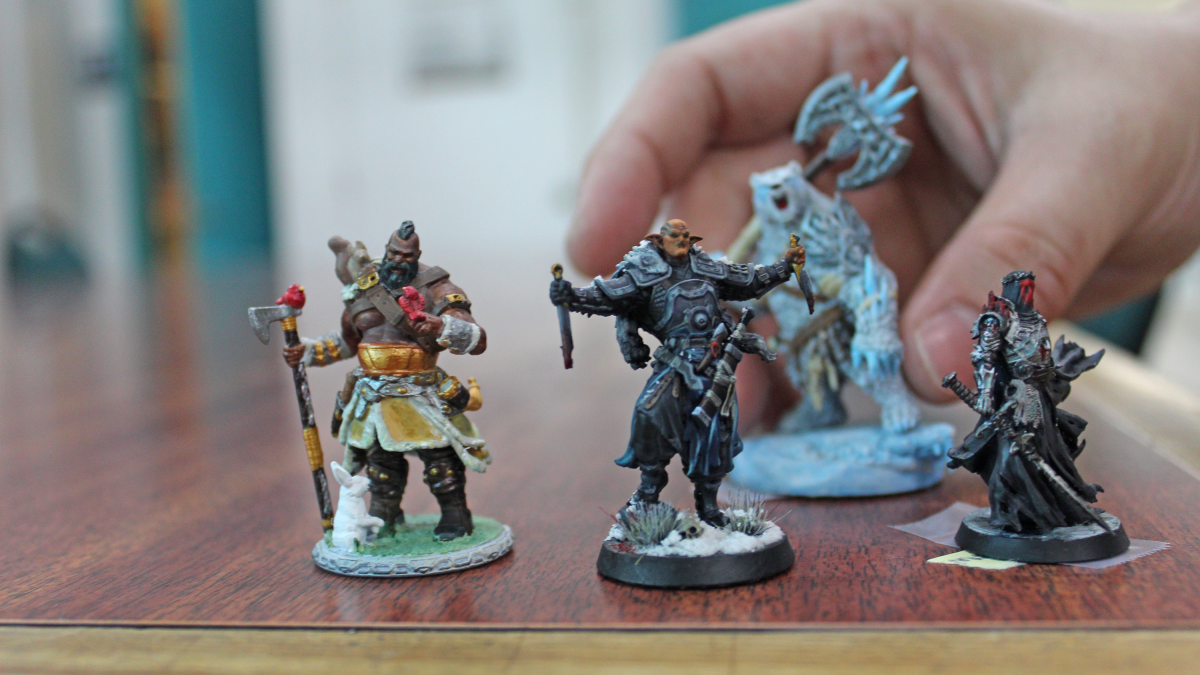
Personal 3D printers weren’t as revolutionary as some had hoped. There was a time in the early 2010s when manufacturers thought it possible that, as technology advanced, every household would own one of these devices capable of creating nearly anything imaginable out of plastic. But the demand never materialized. While increasingly cheaper, faster and easier to use, 3D printers remain largely the domain of dedicated hobbyists. However, in recent years, 3D printing has led to a new kind of service, one that entrepreneurs in the Capital Region are cashing in on.
When customers want 3D-printed products but aren’t interested in making them themselves, then there’s money to be made. And nowhere is this more prevalent than in games, specifically, games like Dungeons & Dragons, where plastic miniatures are used to represent players, enemies and terrain. Sometimes, the only way to get a specific piece is to go online and download the digital file, often for a small fee. Printing it isn’t straightforward, but a few local services offer to handle the hassle.
An open niche
“It was just a market that no one in town was doing, so we decided to get in on it,” says Anthony Martinez, store manager of Great Escape Games in Arden Arcade. During the pandemic, Martinez said there was an uptick in gamers using online services like Hero Forge and Eldritch Foundry to design custom miniatures and then either buy the finished product or pay for the digital file at a greatly reduced rate.
Store staff realized they could offer locals a cheaper and faster 3D printing service than online retailers. Customers can email the files to the shop and pick up the finished miniature in about two days. Prices start at around $6 per miniature, with a discount for bulk purchases. Martinez said the service quietly launched in 2021 and has since become “decently popular.”
Great Escape Games will print anything that’s a few inches in size, just so long as it’s “Nothing nude, nothing lewd, nothing weapon adjacent or anything like that. And if it is IP infringing, we probably won’t print it,” Martinez says.
Could other hobby shops nearby soon launch their own 3D printing services? Martinez doesn’t think so. Not everyone has the space and technical knowledge needed. Plus, quality machines aren’t cheap. The shop bought a printer for around $3,000. The owner also loaned his personal printer, and a third was donated by a customer “who’s used our service a lot and just wanted to help us out a little bit.”
From characters to camembert
One Elk Grove couple operates a 3D printing service out of their home. Audrey Hawkes and her husband, James Geary, launched Simon’s Magic Shoppe in 2020. Customers can email them digital files and then receive the printed miniature in the mail. Hawkes says Geary is an IT worker and tech enthusiast who used 3D printing to bring their D&D characters into the physical world.
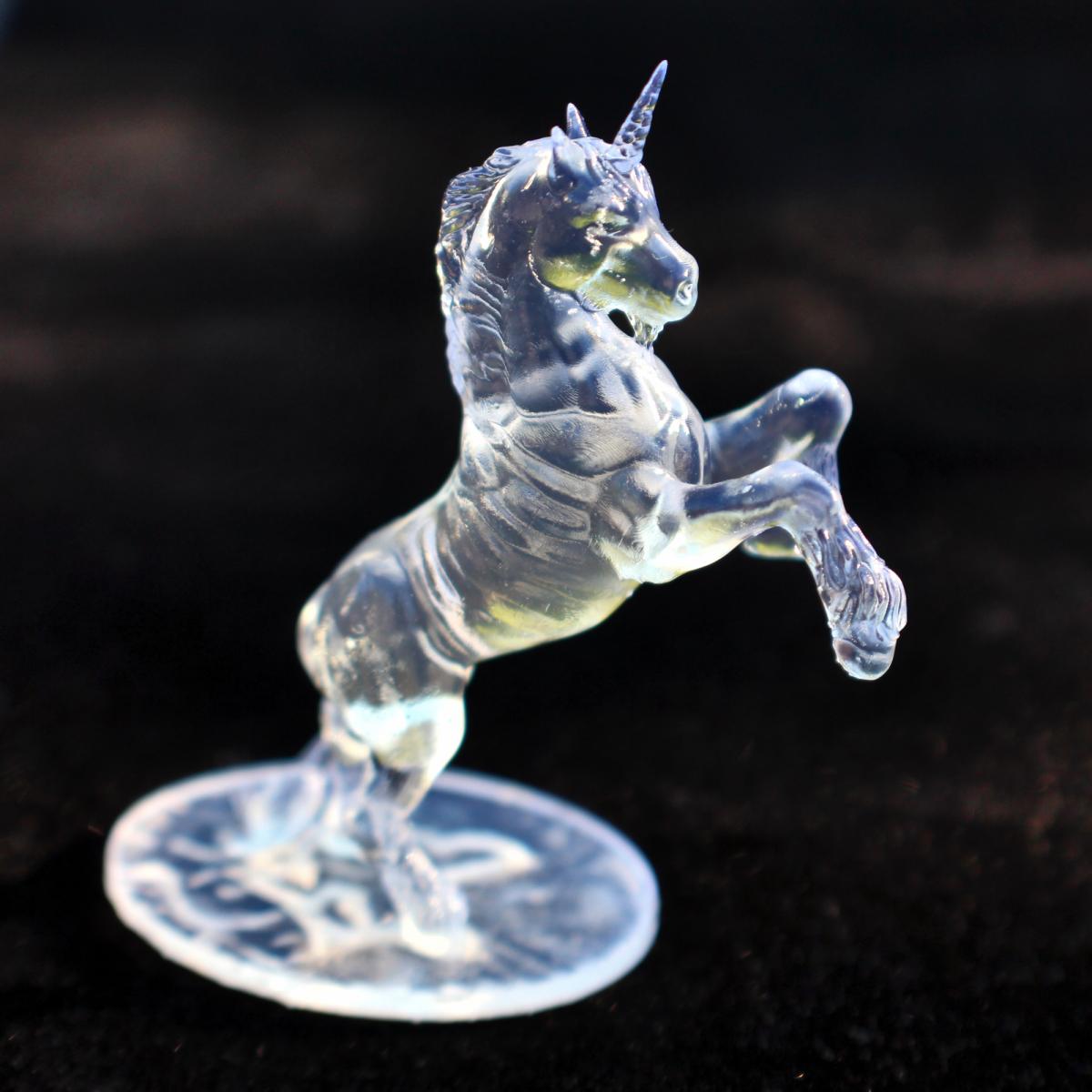
Audrey Hawkes and her husband, James Geary, run the 3D printing
service Simon’s Magic Shoppe out of their home. Customers can
send digital files to be printed as miniatures like this unicorn.
(Courtesy photo)
“You’ve got this character that you imagined and made stories about, and you’ve taken that from your brain, and now you can hold it in your hand,” Hawkes says, ”and that’s my favorite part of it.”
Launching this business was a means to justify Geary’s expensive hobby. They currently own six printers: three resin and three filament. Both have pros and cons. Resin printers use a type of liquid plastic that solidifies when exposed to UV lights. It allows for finer detail and a smoother finish, but is more expensive and more fragile. Plus, liquid resin can irritate the skin, and its fumes are toxic. Filament printers involve melting plastic threads, like a soldering iron or a hot glue gun. It’s more durable and easier to work with, but the print lines are more visible.
Only a quarter of business comes from printing files sent by customers. Selling completed 3D-printed products, for which they pay a commercial license, is far more lucrative. Hawkes says their online store rarely breaks $1,000 gross a month. Usually, they sell a few miniatures a week. Recently, the couple branched out into selling cheese presses, both the digital file and the tool itself. They’ve created their own design, one they believe is improved and cheaper.
Hawkers and Geary recently launched a 3D printed cheese press,
which they say is their best seller. (Courtesy photo)
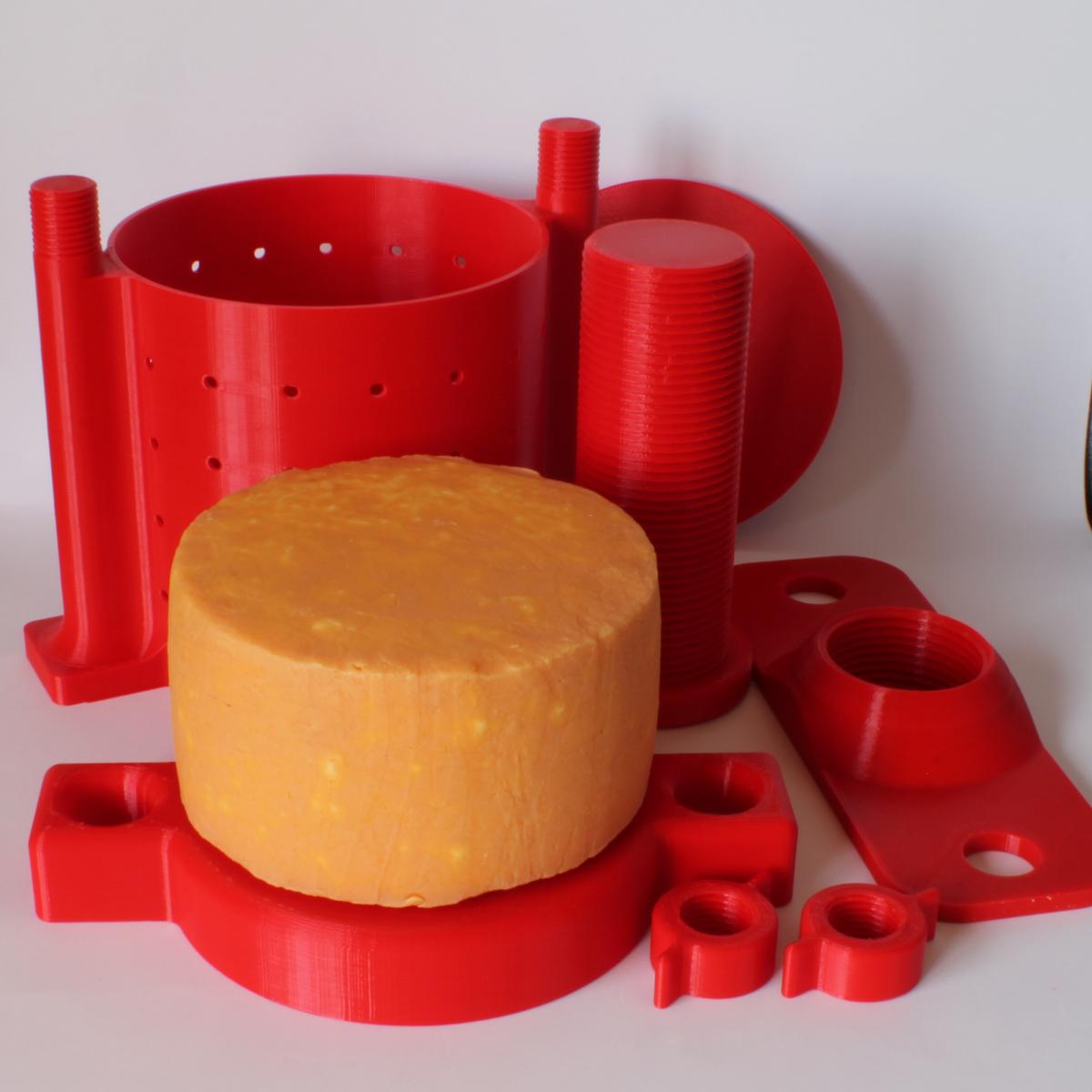
“Since the cheese press was kind of our best seller, I think what we’re focusing on is trying to learn more, to get better at designing our own things,” Hawkes says. They’re currently developing a new cheese mold and press specifically for camembert.
Building better battle wagons
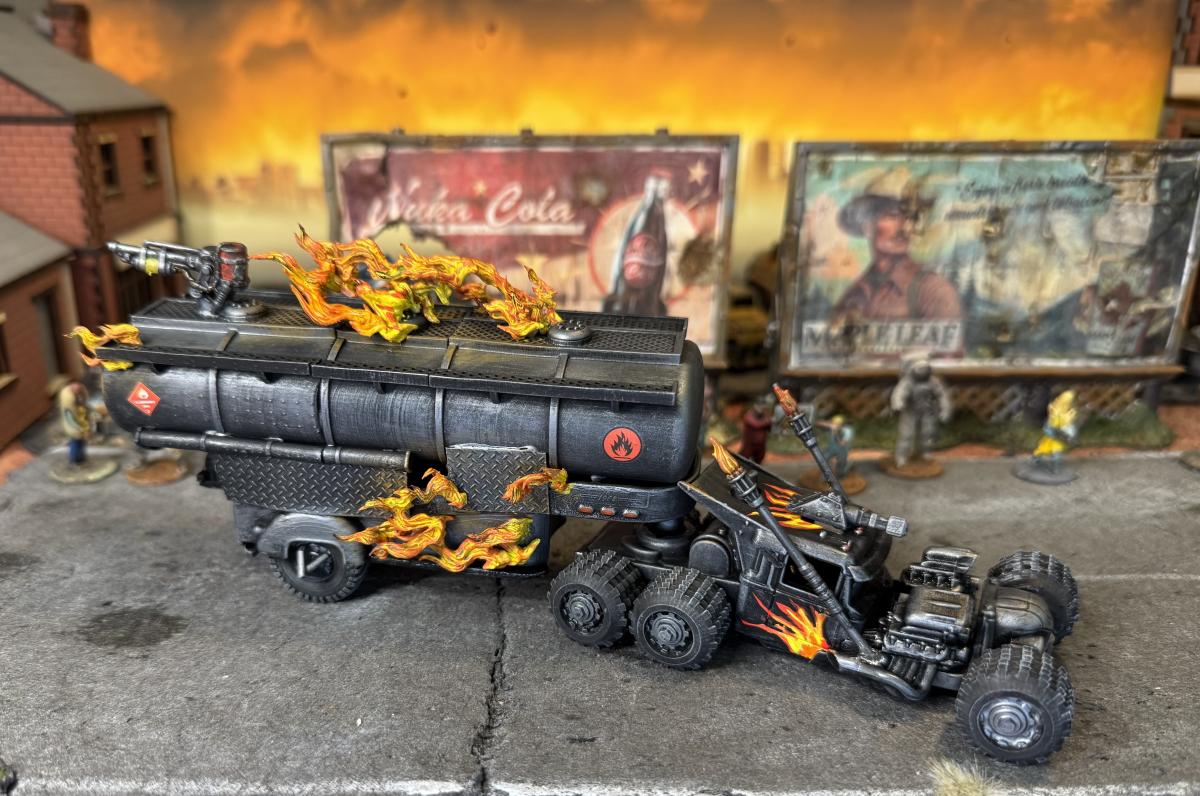
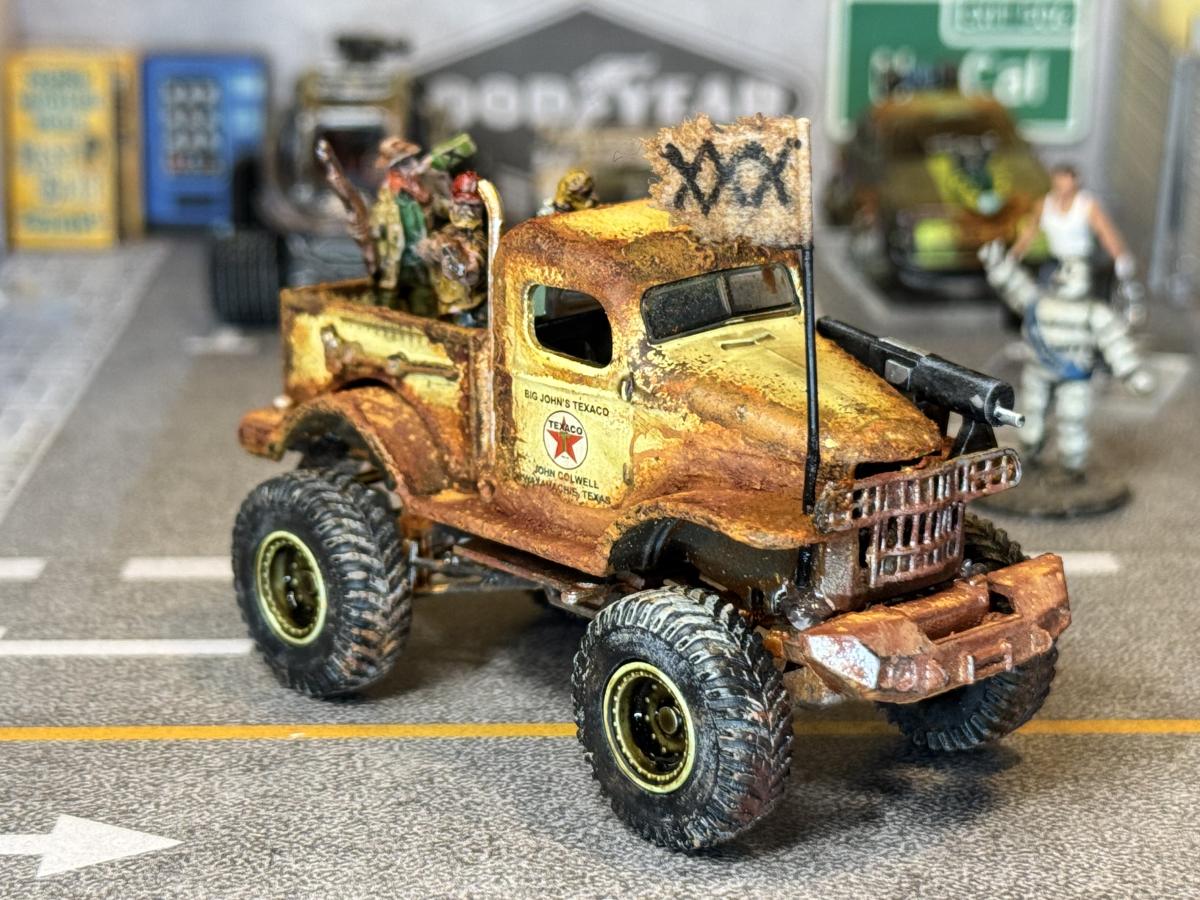
Not every modelmaker is head over heels for 3D printers. Christopher Clarke of Elk Grove prefers to work with his hands when creating miniature post-apocalyptic cars for the game Gaslands, a cross between “Mad Max” and D&D. Clarke takes store-bought Matchbox or Hot Wheels die-cast toy cars, removes the paint to reveal the fine detail, then customizes them.
Christopher Clarke of Elk Grove makes post-apocalyptic cars for
the game Gaslands, a cross between “Mad Max” and D&D.
(Courtesy photo)
Clarke enjoyed the craft in retirement, and after he had stockpiled about 40 cars, his wife encouraged him to start selling them. In 2019, he launched his own Etsy shop called Gaslands NorCal. He makes about a dozen cars a week and so far has made 1,400 sales. A highlight was when “Twisted Metal” showrunner Michael Jonathan Smith hired him to make about 60 car models to gift the cast and crew after filming wrapped for the show’s second season. “Yeah, it was insane,” Clarke says.
Clarke uses a 3D printer to make wheels, drivers and other accessories for his builds. Customers frequently ask him where they can buy 3D miniatures online and become disappointed when he tells them only the STL file is available. Because of the demand, he also sells commercially licensed miniatures that he 3D prints himself.
“Most people don’t have 3D printers, even though they’ve come down in price so much, “ Clarke says. “They don’t have the room to do this type of thing, so good for me.”
Clarke was hesitant to buy a 3D printer. He didn’t want to spend time learning a complex new skill. “It can be very, very frustrating. And I held off going into 3D printing for a long time because of the learning curve,” he says.
Gaslands NorCal has made 1,400 sales on Etsy. (Courtesy photo)
He was also worried about misprints. Clarke uses a cheaper printer, and cold weather or humidity can cause deformities that aren’t apparent until a job is finished after a few hours. Residue or an improper setup could cause a print job to break the machine. This has happened a few times to Clarke, who’s on his sixth 3D printer.
“It’s a lot easier than it used to be, but it’s still not plug and play like a regular printer and hit the button,” Clarke says. “There’s a lot more to it.”
Finishing touches
Creating original designs is a specialty of Sarah Malcom, a professional 3D artist in Sacramento who creates digital art for video games, like the upcoming Wizard Cleaning Simulator. In 2023, she launched her Etsy shop, Banana Art By Sarah, to sell keychains, stickers and enamel pins featuring her 2D artwork.
Malcom also offers a complete 3D model service, from design creation to printing. The listed price is $150. She said there’s been some interest, but no takers yet. Her main 3D products are artisan keycaps, which are figurines that attach to computer keyboards. Overall, her Etsy shop isn’t lucrative, but it’s fun and helps pay for hobbies. “I’m looking at it more as an artist and an expression of art than a way to make quick money, I guess,” she says.
Malcom said making 3D designs isn’t easy. It’s something she studied at university, but it’s not impossible for a dedicated enthusiast to learn from home. (The Sacramento Public Library offers free use of a 3D printer through its Makerspace and occasional introductory classes.) She uses programs like ZBrush and Maya to create the designs, then puts them through a slicer, a software application that converts the STL file into instructions for the printer. Malcom could sell her digital files online but is worried about piracy and counterfeits.
She prefers to sell the finished miniatures. A few local hobby shops carry her wares, and she sells in person at conventions and expos. Malcom said many other vendors specializing in homemade 3D-printed products tend to use cheaper filament printing to make children’s toys and trinkets. Printing a licensed model is easy. But sanding, adding primer and varnish — that’s work. Malcom uses expensive resin printing and specialized sanding tools to turn her work into proper display pieces.
“There is a stigma,” Malcom says. “A lot of people think that 3D printed stuff is really cheap, and it is, but it’s what you do afterwards to get it to that high quality.”
–
Never miss a story: Get Comstock’s weekly newsletter delivered to your inbox.
Recommended For You
Is This the Last DVD Rental Store in the Sacramento Region?
Blockbuster went bust. Redbox got into the red. And Netflix is now only on the net. But despite it all, one man still operates a DVD rental store in Davis
The last Blockbuster is a tourist
attraction in Oregon. As for private businesses that rent out
DVDs, only one appears to remain in the greater Sacramento
region.
Pokéinvesting: Gotta Buy ‘Em All
A surge in demand for a children’s trading card game has frustrated players and collectors
Pokémon has earned an estimated $147 billion in revenue, making it the highest-grossing media franchise of all time. There’s money to be made in Pokémon cards even on the local level across the Capital Region, but profits aren’t guaranteed.
Pop Culture Cons Fight for Attention in the Capital Region
Interest in pop culture conventions and vendor markets for fans of comic books, games, cartoons, anime and film continues to grow
The owners of events for nerds, geeks and other pop culture fans aren’t worried about competing with each other, but with everything else.
Inside California’s Retro Video Game Modding Scene
Modchips and fan games can cross legal lines—but for some, it's a passion worth the risk
Selling modified video games and consoles is illegal but typically unenforced. The fear of a lawsuit from a big tech company is enough to scare away established retailers. A few side-hustlers in the Capital Region take that chance and operate in a gray market.