


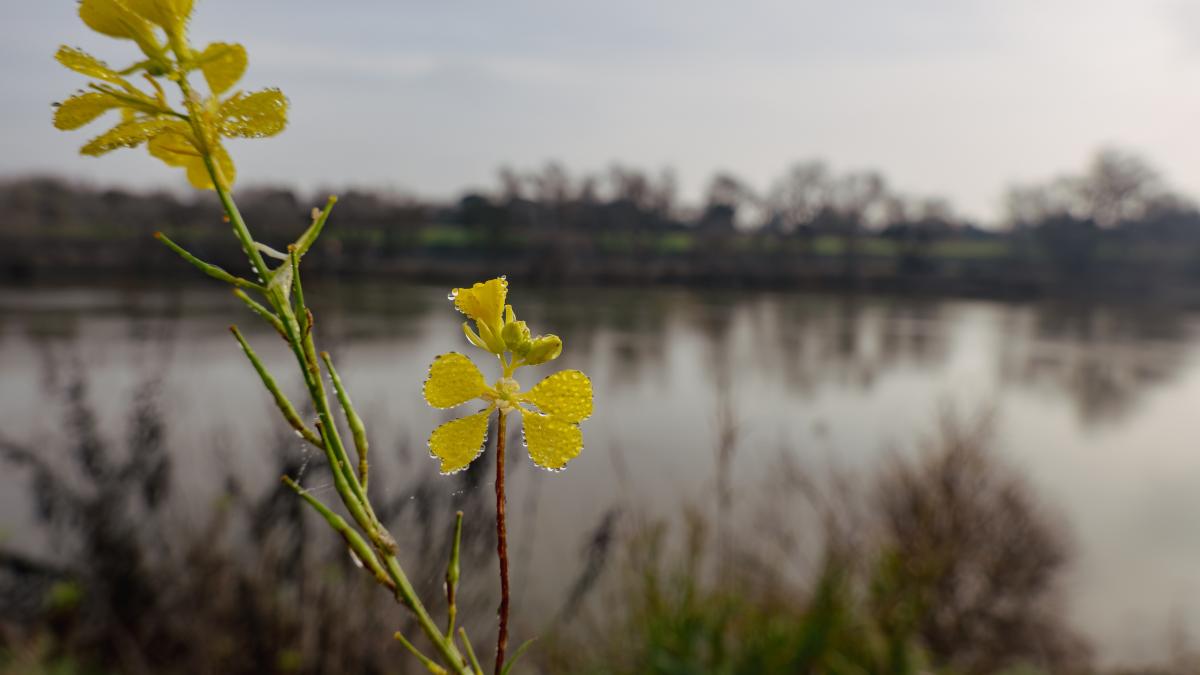
Riding along the American River Parkway, it’s easy to ignore the greenery on either side of the trail. Much of it might appear to be little more than unremarkable weeds, but to a seasoned forager and instructor like Robin Greenfield, those patches of greenery contain a banquet of delicious edible plants.
Greenfield says that foraging can begin at home, especially in a city as fertile as Sacramento. “Where I recommend a lot of people start is actually in their own backyard or front yard,” Greenfield says. He adds that trails like the American River (Parkway) often have many edible plants, even if some are categorized as weeds.
Foraging — searching for wild, edible plants and fungi — is enjoying a resurgence around the world, and many people in the Capital Region are adding wild food to their diets. With the rising cost of living, a little free nutrition can always offer a boost, but Greenfield says the benefits of foraging go beyond saving money.
Related: Hunting Near the Farm-to-Fork Capital: Driven by a desire to eat ethically and connect with nature, more people are discovering the Capital Region’s wealth of hunting opportunities
“I want to eat in a way that does no unnecessary harm, and even better yet, that every bite that I take is actually beneficial, that it’s an ecosystem service, and foraging is one way to do that,” Greenfield says. “I love foraging because I love food,” he continues, and “it gives me access to some of the most delicious and nutritious food that exists on earth.”
A foraged feast
In the Capital Region, with its relatively mild winters, a great deal of wild food can be found year-round. Jen Benedet, an experienced local forager, eats an entirely wild and homegrown Thanksgiving feast every year. She serves wild game, mushrooms, elderberry jam and baked goods made with acorn flour.
Jen Benedet served pumpkin pie made with acorn flour and
homegrown pumpkin at a recent Thanksgiving. (Photo courtesy of
Jen Benedet)

While the skillset to find and cook all this food might take years to develop, new foragers can learn about one plant at a time and work their way up to a fully foraged meal. Benedet says that good foraging ethics dictate that foragers not take more than one-third of what is available, leaving plenty for nature and other animals that rely on wild food.
Greenfield says that one of the easiest foods for beginners to find and identify in the region is wild mustard. “This is a plant that’s considered invasive, that is harmful to the ecosystem because it competes with native plants,” he says. “Wild mustard is one of my favorite vegetables. You can eat it just like you would broccoli, saute it or blanch it, or add it into your stir fries, or your soups and stews.”
There’s also an abundance of fennel, another non-native species. Greenfield says he likes to eat the tender shoots, but the flowers, leaves and dried seeds are also edible.
Many would-be foragers will be concerned about misidentifying some of these plants, perhaps confusing them with “toxic lookalikes.” Greenfield teaches occasional foraging classes in Sacramento and says there are many other resources available, such as the Find a Forager database. Through this platform, beginners can meet experienced nearby foragers who can help identify safe plants without toxic lookalikes.
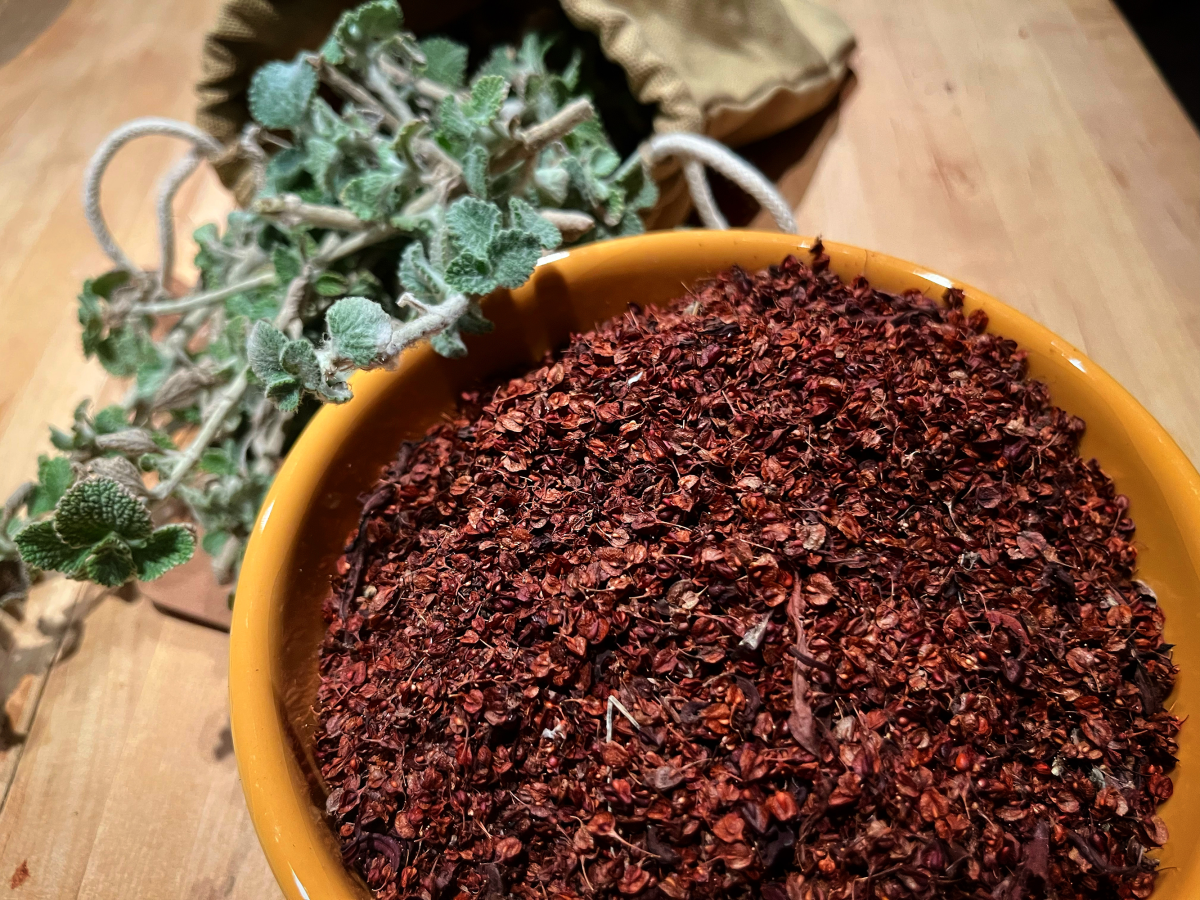
Jen Benedet forages a wide variety of plant foods, including
these curly dock seeds and white hoarhound leaves. (Photo
courtesy of Jen Benedet)
Greenfield also suggests foragers pick up a reference text like “California Foraging ” by Judith Lowrie, which includes images of edible plants and a guide to distinguishing them from any toxic lookalikes.
In addition to safely identifying plants before they consume them, new foragers in the Capital Region ought to be conscious of the region’s snake and tick population. Although snakebites remain uncommon, with fatalities in the single digits each year across the country, foragers should be snake conscious when travelling through tall grass, walking off trail and searching for food in fallen timber. All of these behaviors are likely to increase the likelihood of a snake interaction, according to the University of California Davis’ peer-reviewed guidelines on living with rattlesnakes. Foragers should also be sure to do a tick sweep after spending time in tall grass, as Lyme disease is present in the region.
Related: Chefs, Growers and Citizen Scientists Are Embracing Mushroom Foraging and Its Culinary Potential
Mushrooms can be a delicious food to forage, and California is home to many edible varieties. However, beginning foragers should never pick mushrooms or anything else they can’t identify. Foragers advise that beginners pick a sample and bring it to an experienced forager to identify it before harvesting mushrooms for consumption. In 2025, f oragers mistaking death cap mushrooms for edible varieties caused 21 poisoning cases and one fatality.
Foraging rules and regulations
In California, the Department of Fish and Wildlife does not regulate foraging as it does hunting. However, the CDFW is attempting to educate and recruit more outdoorspeople through its Recruit, Retain and Reactivate program, which it calls R3. The R3 program has hosted a webinar on foraging — also available as on-demand videos — through its Harvest Huddle Hour program, which is designed for adults learning about or returning to the outdoors. The CDFW’s R3 webpage is another useful resource for would-be foragers, including a guide to regulations on harvest of some wild and marine plants, the permits required to gather firewood on public land, and resources for identifying plants and finding public lands to forage on.
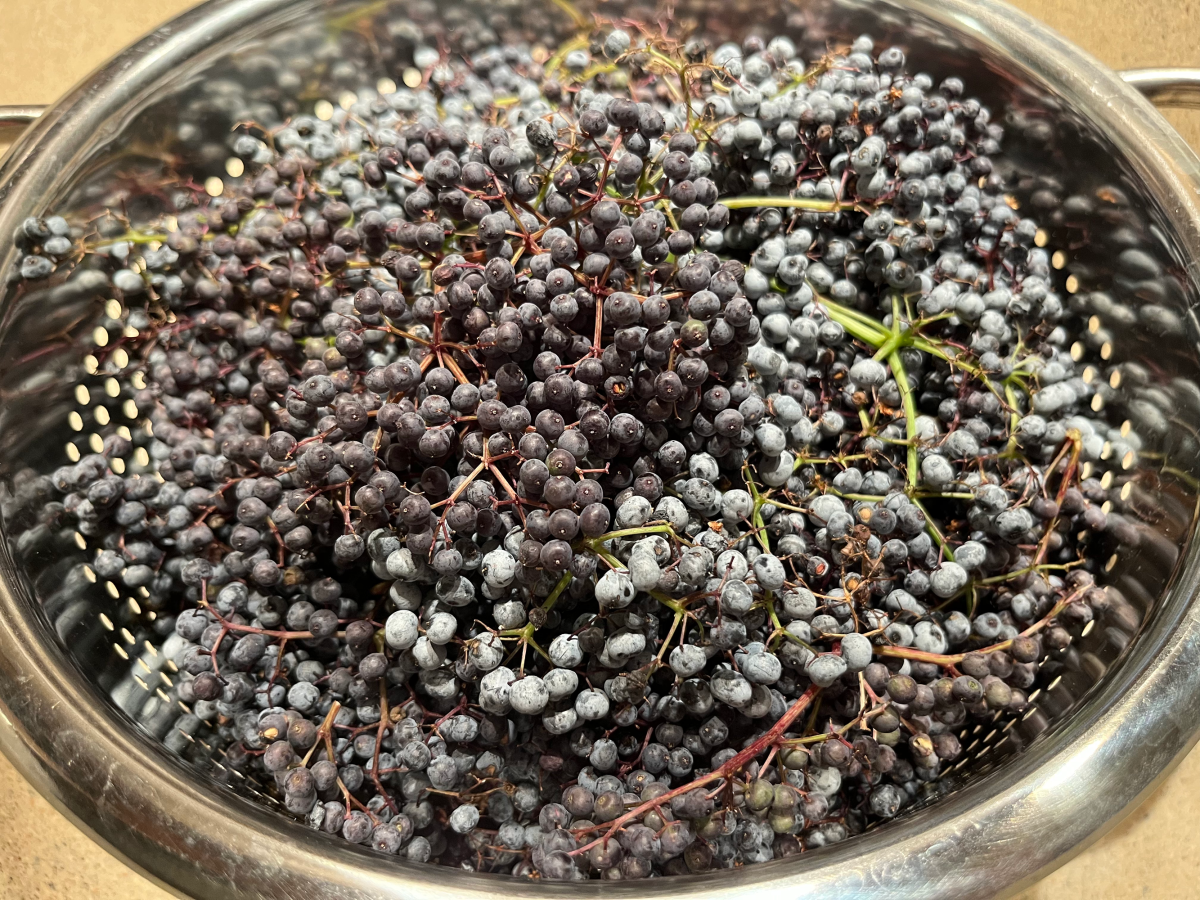
Jen Benedet makes elderberry jam from foraged berries. (Photo
courtesy of Jen Benedet)
The regulations around foraging are different across federal, state and private land. The Forest Service, for example, does not require a permit if you gather less than 1 gallon of mushrooms per year. Some areas of National Forests, however, are closed to harvesting mushrooms; these can be found on the appropriate page of each given National Forest website.
The Bureau of Land Management sometimes requires a permit and asks that anyone interested contact its local office. While the CDFW does not require foragers to be licensed as they do hunters and fishers, it should be noted that foraging in California State Parks and CDFW lands is strictly limited by law. Sierra Pacific , a forestry company that is the largest private landowner in California, allows recreational use of its Capital Region land but prohibits foraging .
Given this complicated web of legal jurisdictions, to which we can also add counties and cities, Greenfield suggests beginners work “one plant at a time.” Once they can identify a plant, they can explore the legal constraints on where they can harvest it and progress legally and safely into the hobby without risking legal consequences or their health.
Urban foraging in Sacramento
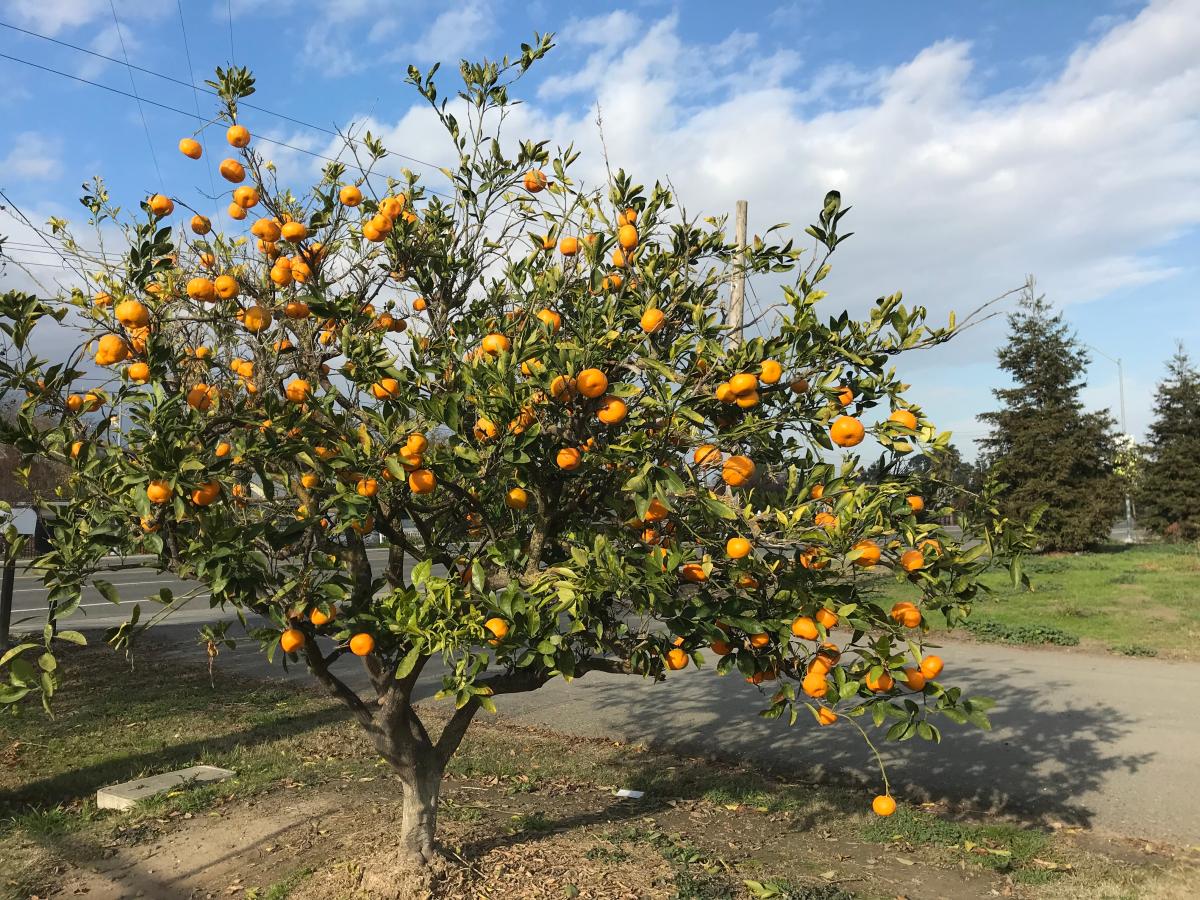
In addition to the wild bounty that can be found across California, Greenfield says there is a great deal of food to be found in the city. Many edible plants, such as rosemary and loquats, are grown primarily as landscaping plants, and their food value is often ignored. Resources such as Falling Fruit , which has thousands of locations listed in Sacramento alone, can help new foragers find food in the city. Just be sure to ask permission if the plants are on private land.
A tree full of tangerines grows in West Sacramento. (Shutterstock
photo)
Greenfield says that even a relatively novice forager could easily assemble a dinner party entirely from food foraged around the Capital Region. He suggests starting with a salad of wild greens — these might include miner’s lettuce, wild mustard, purslane and chickweed. Seasoning could perhaps come from wild Peruvian pepper. This could be followed with a fruit plate, including loquats, blackberries and even wild strawberries. Finish with one of the many teas or infusions that can be made with foraged ingredients.
Related: Scavenger Hunt: Unpicked produce can change the way food banks feed the hungry — you just have to know where to look
More advanced foragers might enjoy acorn-based dishes, which have been a backbone of the diet of Indigenous people , including the Nisenan, the Southern and Foothills Maidu, the Patwin people, the Wintun and the Wintu, and the Valley Miwok and Me-Wuk, for millennia.
In the process of assembling this feast, foragers will find a whole new way to see and interact with the outdoors . “When I’m foraging,” Greenfield says, “I feel a very deep connection to the earth.”
–
Never miss a story: Get Comstock’s weekly newsletter delivered to your inbox.
Recommended For You
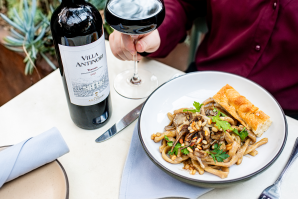
Chefs, Growers and Citizen Scientists Are Embracing Mushroom Foraging and Its Culinary Potential
The farm-to-fork pipeline is well established in Sacramento — but what about forage-to-fork? We talked to some of the foragers, scientists, chefs and enthusiasts who want to see more foraging in the Capital Region.
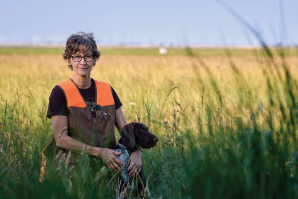
Hunting Near the Farm-to-Fork Capital
Driven by a desire to eat ethically and connect with nature, more people are discovering the Capital Region’s wealth of hunting opportunities
Alongside deer, upland game like turkeys and pheasants, and invasive wild pigs, Sacramento offers some of the best wildfowl hunting anywhere in the U.S., and hunters come from across the state and country to enjoy it.
Recycling Unused Food: On the Frontlines With the Agencies and Food Banks Making SB 1383 Work to Feed the Hungry
The food recovery process for SB 1383 is divided into separate tiers. Tier 1, which involves large grocery chains and food distribution centers, went into effect in 2022. The following year, Rancho Cordova’s locker alone recovered 800,000 pounds of food. In that same period, Sacramento Food Bank & Family Services oversaw the redistribution of 14.6 million pounds of edible food that came directly from Capital Area grocery stores.
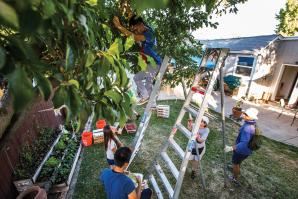
Scavenger Hunt
Unpicked produce can change the way food banks feed the hungry — you just have to know where to look
“Eat local.” You’ve heard the phrase a billion times. It’s the guiding principle of the farm-to-fork movement, nudging us away from the Industrial Food Complex and toward our neighborhood farms. But there’s something even more local than a ranch down the road: the orange tree in your front yard.